
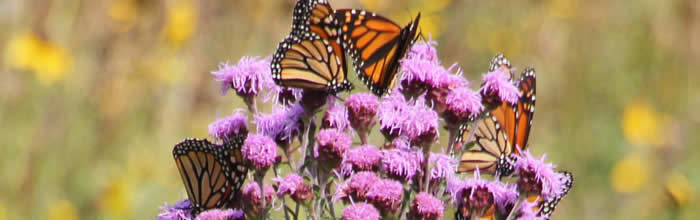
Pollinators like bees and butterflies are important and need our help! Take our #Plant4Pollinators challenge.
Three-fourths of the world’s flowering plants and about 35 percent of the world’s food crops depend on animal pollinators to reproduce. Some scientists estimate that one out of every three bites of food we eat exists because of animal pollinators like bees, butterflies and moths, birds and bats, and beetles and other insects.
However, habitat loss, disease, parasites, and environmental contaminants have all contributed to the decline of many species of pollinators.
Here are some things you can do to save bees and butterflies in your own backyard:
- Plant native wildflowers. Native plants are low maintenance, adapted to local conditions, and provide food that pollinators need. Many common garden flowers often lack nectar or pollen because they have been bred by humans for extra petals or different colors. Ask your garden store to sell native plants!
Our Top 5 Minnesota Native Picks:
- Milkweeds – These are the only caterpillar food plants of Minnesota’s struggling State Insect, the Monarch butterfly! Milkweeds are also a great nectar source for other pollinators.
- Purple Coneflowers – Bright pink, drought tolerant, and attractive to everything!
- Black-eyed Susan – Bright yellow, drought tolerant, and an awesome nectar and pollen source for everything!
- Meadow Blazingstar – This is the preferred plant for Monarch butterflies in late summer and early fall as they load up on energy before migrating to Mexico for the winter. Tall and rich in nectar, it is also loved by other butterflies and hummingbirds.
- New England Aster – Bright purple flowers make New England Asters one of the most striking plants of fall. It is loved by almost all pollinators and is a caterpillar host plant for Crescent butterflies.
See pictures and learn more about these and other great native wildflowers on What to Plant
You can also download a condensed pdf version of this webpage also available en Español. Free printed versions of this pamphlet are available at the Minnesota Zoo!
 Like you, pollinators also need places to raise their offspring! The caterpillars of most butterflies and moths can only eat certain plants (example: Monarchs only eat milkweeds) and these plants (including grasses!) are often different than those used by adults. Native bees need bare ground to dig nests or wood with holes to live in and rear their young. There may be 350-400 species of bees in Minnesota, and almost none of them sting!
- Avoid or eliminate pesticides. Some pesticides become absorbed into plants and can kill pollinators months after being applied. Ask your garden store not to sell plants treated with these “neonicotinoid” insecticides.
The Minnesota Zoological Garden is committed to saving pollinators. We practice pollinator-friendly landscaping and work to save Endangered Minnesota butterflies through the Prairie Butterfly Conservation Program.
Participate in Citizen Science! Simple observations by many people add up to help scientists understand how pollinators are doing and what they need. These include Bumble Bee Watch, the Monarch Larva Monitoring Project,Monarch Watch, and Journey North. The Monarch Joint Venture and the University of Minnesota Bee Lab are also great resources.
Get to Know Your Butterfly Neighbors and learn how the Minnesota Zoo is helping with this downloadable pamphlet.
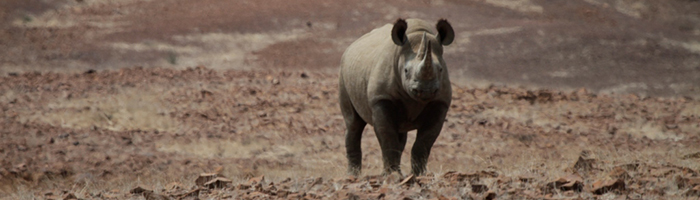
The Minnesota Zoo and its partners conduct one of the most successful rhino conservation programs in the world. Zoo biologists work with local Namibians to monitor rhinos on community lands.
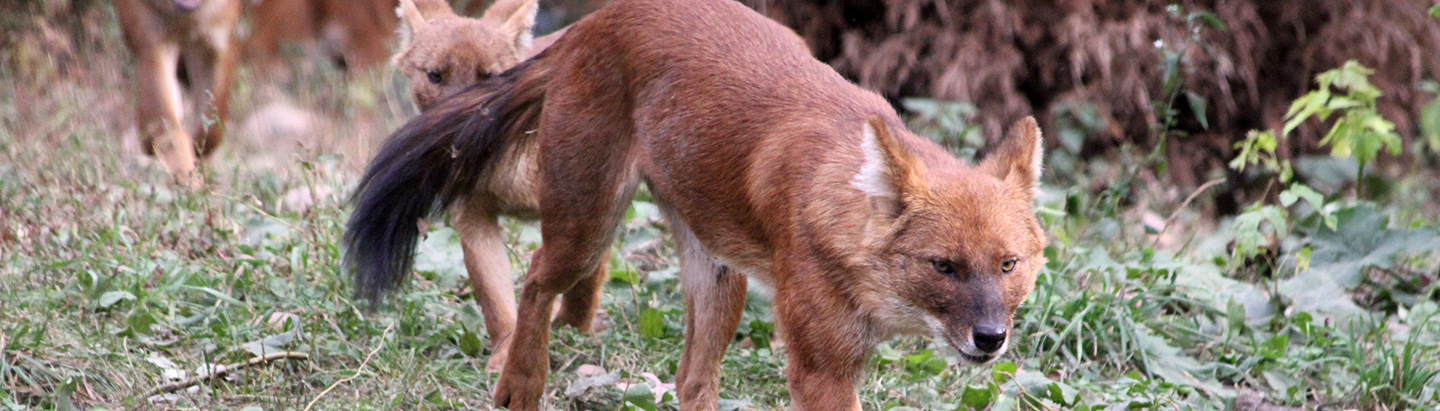
There are fewer dholes (Asian wild dogs) than tigers left in the wild! Biologists at the Minnesota Zoo are working in Thailand to study threats to this little-known endangered species.
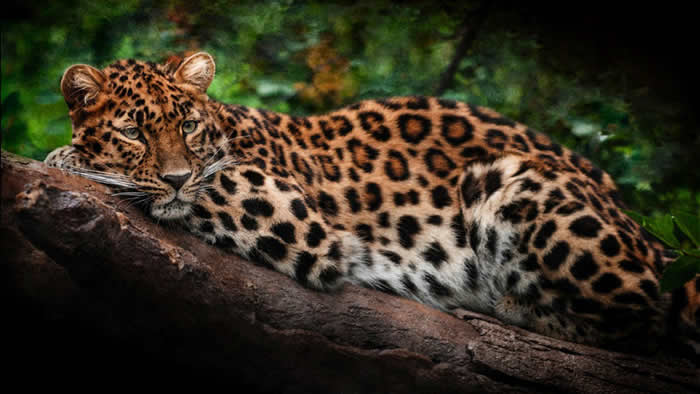
Funds donated by guests in the Conservation Cabin of the Zoo’s Russia’s Grizzly Coast exhibit support conservation projects for large cats, bears, and sea otters in the Russian Far East.
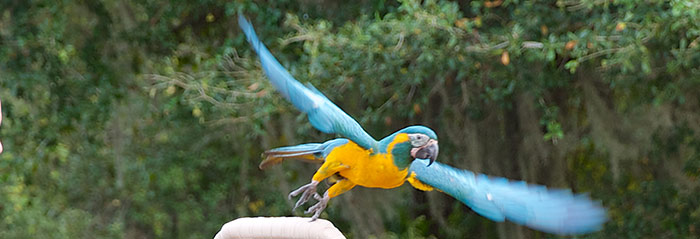
Since 2007, the Minnesota Zoo has been a strong supporter of Blue-throated Macaw research, conservation, and education.

The Minnesota Zoo provides grants to global conservation efforts. This program is a unique opportunity for Zoo staff from all backgrounds to directly contribute to save wildlife.
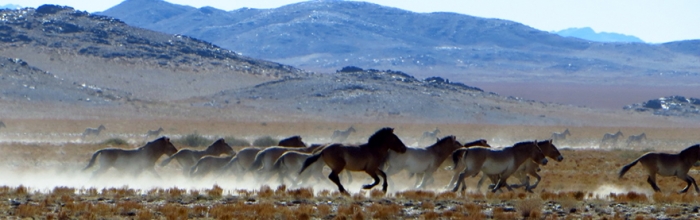
Asian wild horses went extinct in the wild in the 1960s, but returned to the wild with help from zoos. Biologists at the Minnesota Zoo are working to secure a future for these reintroduced horses.