
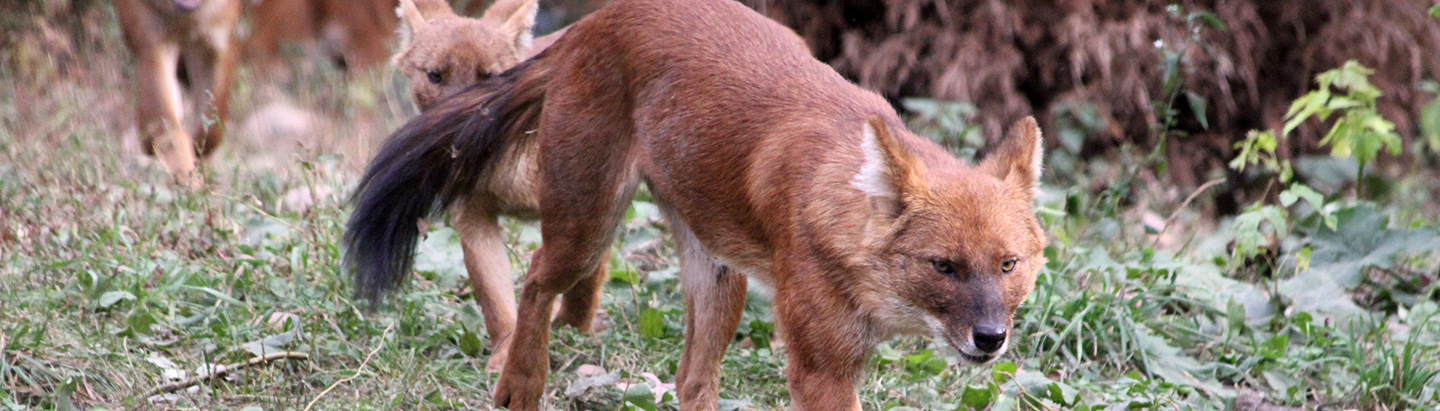
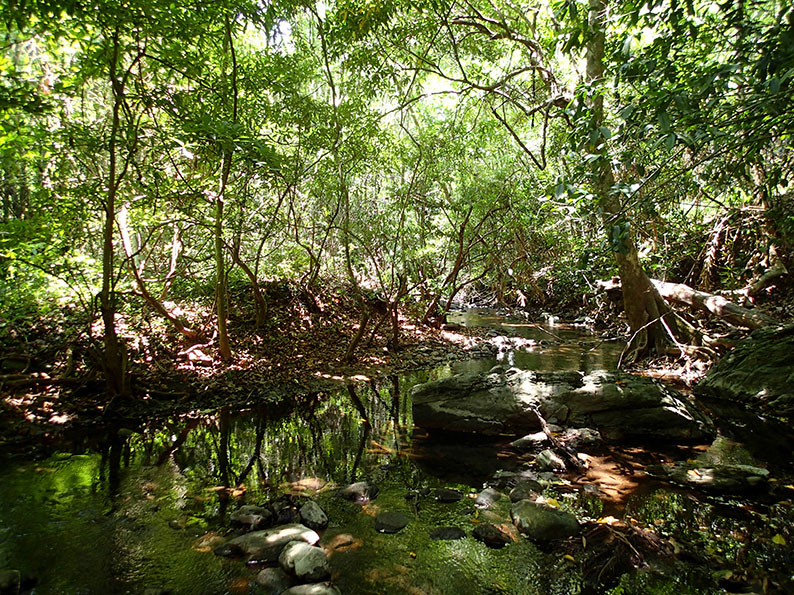
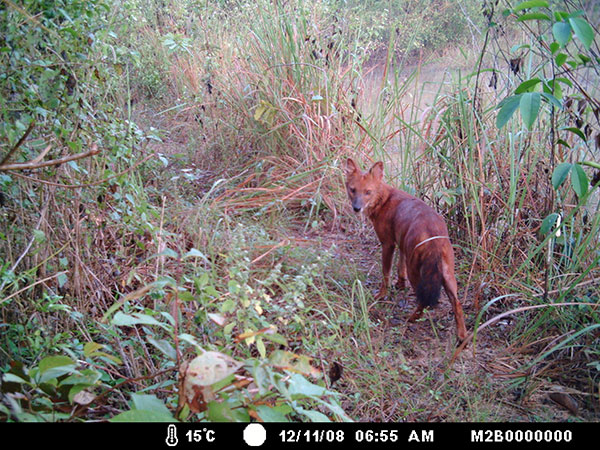

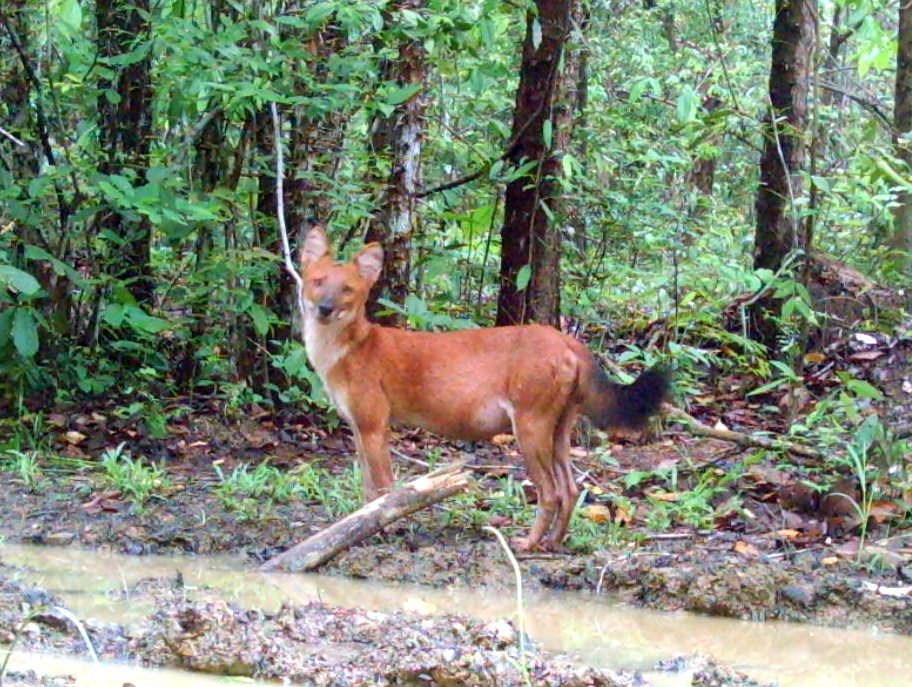
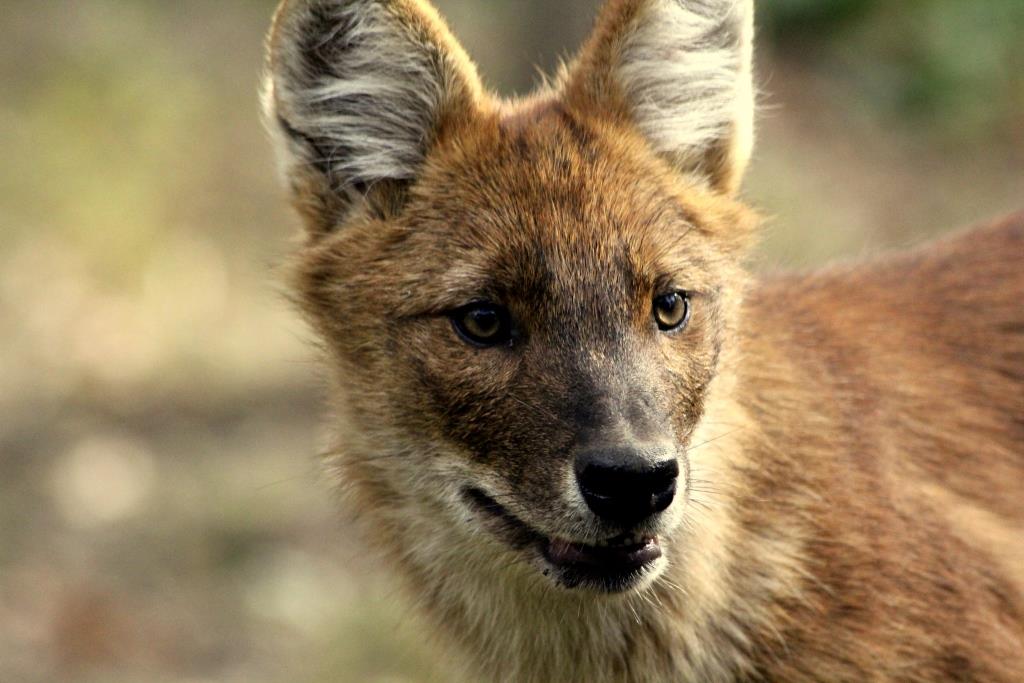
Did you know that the Minnesota Zoo is one of only three places in North America where you can see a dhole? (Pronounced dole – like the banana brand).  Dholes ( Cuon alpinus ) are wild canids—mammals that are members of the dog family. If you spotted them at the Minnesota Zoo, you may have thought they looked like red foxes or some kind of small wolf.  Most people have never heard of a dhole, but they are important predators in tropical forests and grasslands of Southeast Asia.  Minnesota Zoo Conservation Biologist, Dr. Kate Jenks, co-leads efforts to study wild dholes in Thailand.
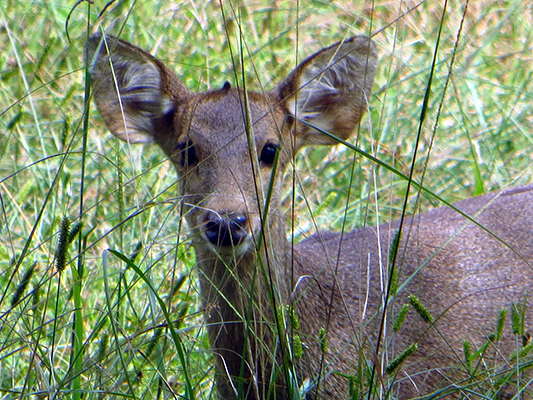
There are about 2,500 dholes left in the wild.  This means that there are fewer dholes than tigers left in the wild! They face the same threats that other wild canid species, like wolves, face.  Dholes suffer when their habitat is destroyed to make room for farming or when poachers kill deer (the dhole’s main food source).  In some countries, dholes are killed by people who blame the dholes for killing their livestock. Also, dholes may get sick from domestic dogs that have not been vaccinated against disease. 

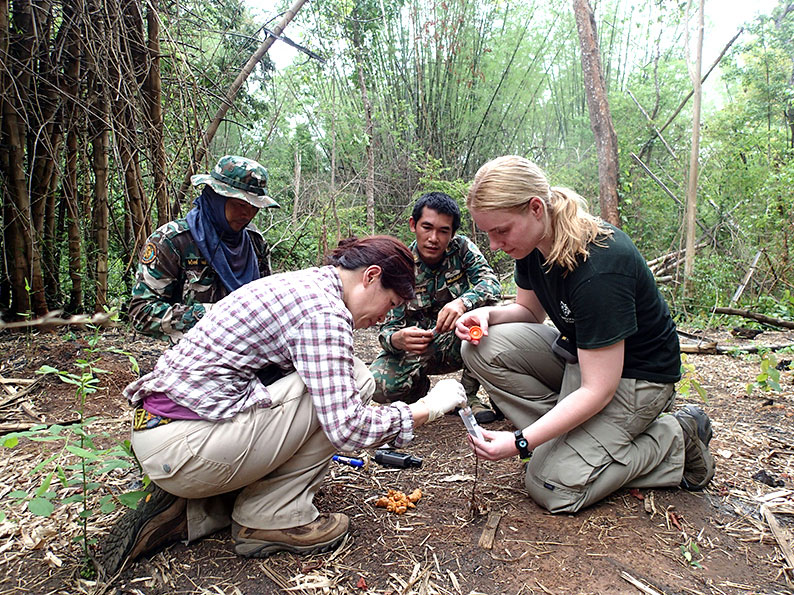
The Minnesota Zoo has a strong history of dhole conservation. Biologists at the Minnesota Zoo worked in partnership with the Smithsonian Conservation Biology Institute to try and help remaining dhole populations in Thailand. Basic information was gathered about how dholes use their habitat, current threats to dhole populations, and developed a management plan for the species in the wild.

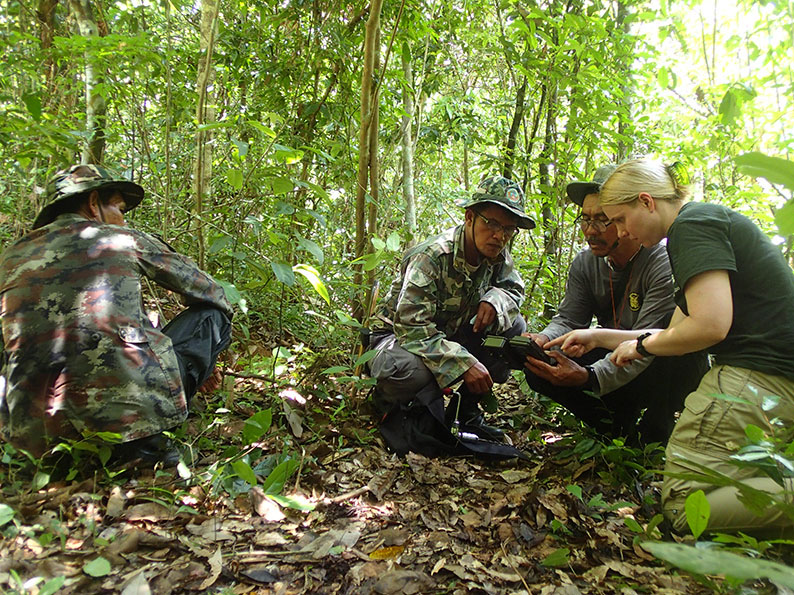
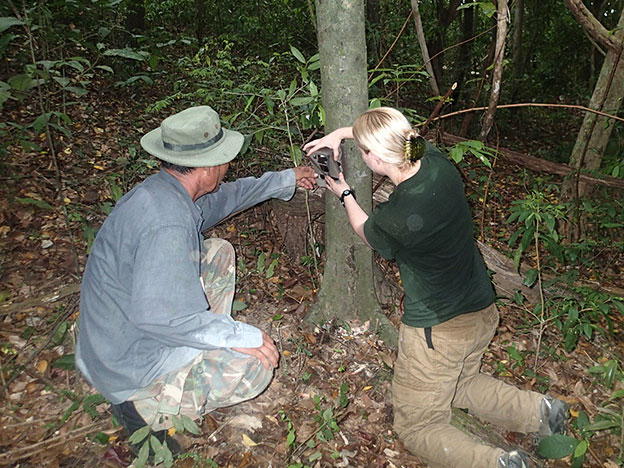
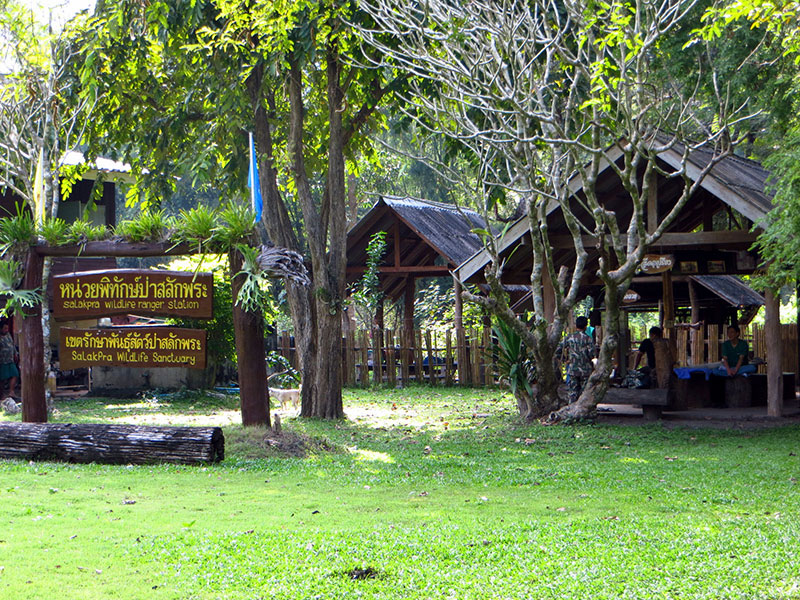
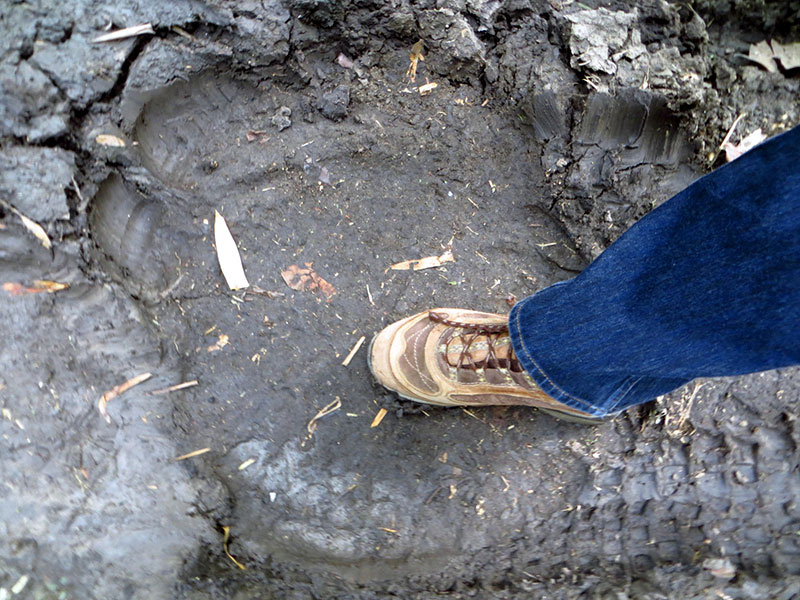
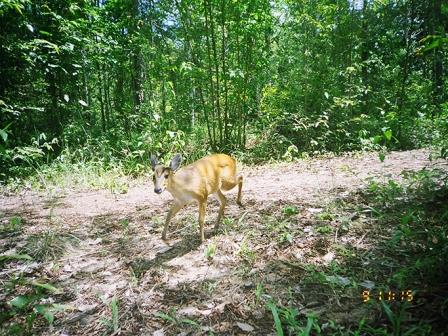
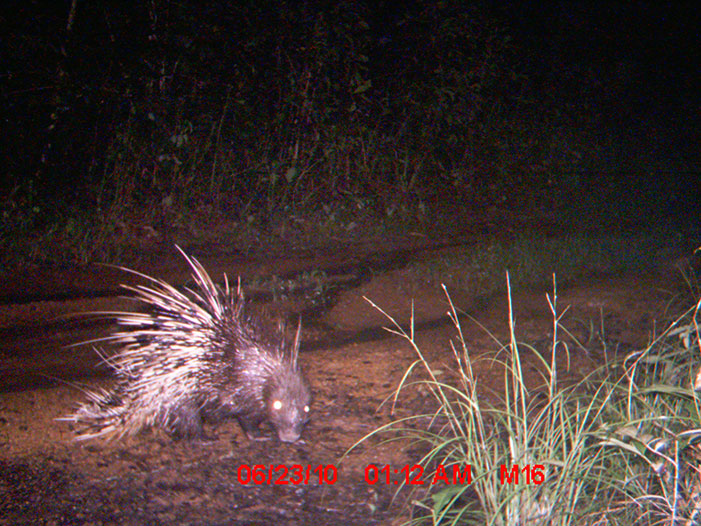
The first step is to find shy and elusive dholes in the forest. Biologists use camera-traps to track the locations of dholes and other wildlife.  The team also placed GPS tracking collars on dholes from different packs. The data recorded from these collars can help scientists learn where the dholes travel, how they use different habitat types, and if they roam close to areas where dogs live. When dogs and wildlife meet they can spread diseases. This is dangerous because already-small dhole populations could crash if they catch a new disease. Scientists will also use the collar data to outline home ranges for dholes and estimate how many packs live in the area.

DholeFace_Tara_KJ


Blogs from the Field

Make a donation to support animals like dholes.


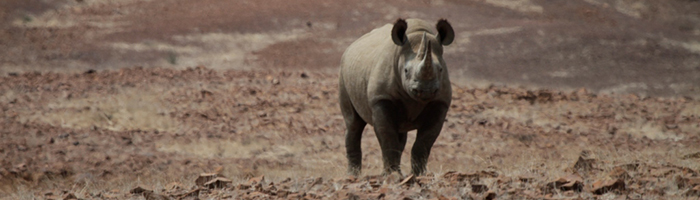
  • The Minnesota Zoo and its partners conduct one of the most successful rhino conservation programs in the world. Zoo biologists work with local Namibians to monitor rhinos on community lands.

  • There are fewer dholes (Asian wild dogs) than tigers left in the wild! Biologists at the Minnesota Zoo are working in Thailand to study threats to this little-known endangered species.
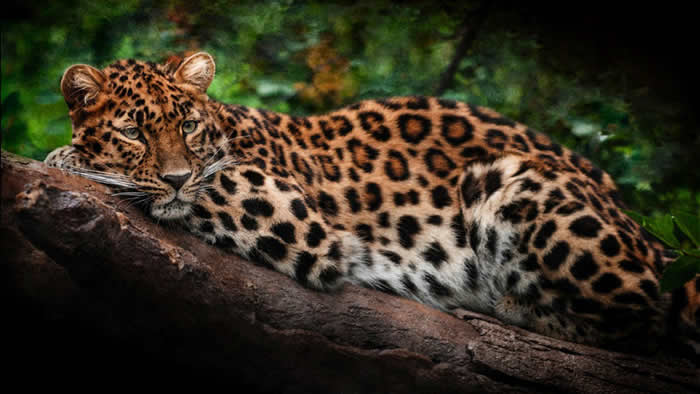
  • Funds donated by guests in the Conservation Cabin of the Zoo’s Russia’s Grizzly Coast exhibit support conservation projects for large cats, bears, and sea otters in the Russian Far East.

  • Since 2007, the Minnesota Zoo has been a strong supporter of Blue-throated Macaw research, conservation, and education.

  • atlantic Reef

    The Minnesota Zoo provides grants to global conservation efforts. This program is a unique opportunity for Zoo staff from all backgrounds to directly contribute to save wildlife.
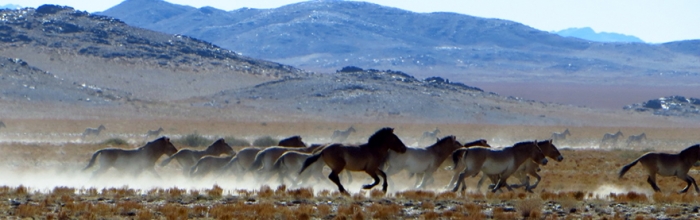
  • Asian wild horses went extinct in the wild in the 1960s, but returned to the wild with help from zoos. Biologists at the Minnesota Zoo are working to secure a future for these reintroduced horses.