
 In an effort to extend the Minnesota Zoo’s conservation footprint, the Zoo has a program to help fund conservation projects in wildlife habitats around the world. The Zoo’s Ulysses S. Seal Conservation Grant Program awards small grants to projects promoting the conservation of wildlife. The funding for this program comes exclusively from private contributions. Zoo staff has the opportunity to apply for competitive grants for inspiring projects they want to impact. They are awarded money to support a project and in some cases participate themselves!
The Ulysses S. Seal Fund honors a man who inspired the Minnesota Zoo to achieve greatness. He served as one of our first board chairs and founded the International Species Information System (ISIS). He was also the originator and chair of the IUCN’s Conservation Breeding Specialist Group. He believed in the value of all species and worked to conserve as many as he was able. For his extraordinary wisdom and vision, he was showered with medals and awards from zoos worldwide, but it is here at the Minnesota Zoo where his legacy began, and continues in a fund named after him.
Funding priority is given to field-based conservation, but worthy zoo-based projects are considered. To receive support, a Minnesota Zoo staff member needs to champion the project. Since its inception in 2002, the fund has awarded over $460,000 to more than 200 projects in 50 countries.
Connect with a Zoo staff member to “champion” your project.
The following projects have been selected to receive awards from the Ulysses S. Seal Conservation Grant Program:
The American Kestrel Partnership
South African Elasmobranch Conservation
Save the Tasmanian Devil
Alaska Sea Life Center
Save the Wild Chinchilla
SECORE Coral Restoration and Propagation Project
Tracking sand tiger sharks in NC
Wolf and moose research on Isle Royale NP
Asian wild horse conservation research in Mongolia: Horse collaring
Asian wild horse conservation research in Mongolia: Wolf collaring
Strengthening Asian Wild Horse Populations in Hustai Nuruu National Park, Mongolia
Restoring Native Mussels to Minnesota Streams
Whale Shark Research Project
Nautilus at Risk
Project Rufus: In Situ Conservation of the Pteropus rufus Fruit Bat in the Sainte Luce Littoral Forest, Southeast Madagascar
Bornean Sun Bear Explorer Education Workbook
Save the Rhino Trust Communication/Marketing Strategy
Tracking Sand Tiger Sharks along the North Carolina Coast
Prioritizing a River Stretch to Conserve Three Sympatric Species of Otters with a Particular Emphasis on the Asian Small-clawed Otter
African Wild Dog Conservation Research in Mozambique
Drews Giant Anteaters
Begawan Foundation – Bali Mynahs
South African Elasmobranch Conservation
Nightly Encounters: The social System and the Vocal Communication of the Critically Endangered Sahamalaza Sportive Lemur, Lepilemur sahamalazensis, in North-west Madagascar
Golden Lion Tamarin Conservation Education
Conservation Education and Green Sea Turtle Research
Protecting Whooping Cranes and Coastal Habitat in Texas
White-cheeked Gibbon Conservation Research, Laos
Peregrine Falcon Monitoring
The Giant Armadillo Project
Health Status, Demography, and Ecology of the Endangered African wild dog (Lycaon pictus) in the Ruaha Ecosystem, Tanzania
Disease Risk Assessment for Endangered Carnivores of Southeast Asia with a focus on Endangered Dholes
Nautilus at Risk
Da Xue Shan (Big Snow Mountain) Black Bear Camera Trapping
Citizen Action for Tigers
A Sustainable Future for Chinese Giant Salamanders
Protecting Grevy’s Zebra in Northern Kenya
Determination of cause-specific calf mortality in moose
Hawaiian Monk Seal Foundation: Seal Response Teams
Determination of Cause-specific Calf Mortality in Moose
Red Panda Network – Forest Guardians
Determining Individual Vocal Characteristics of Wild Tigers
Peregrine Falcon Monitoring
Save the Wild Chinchilla
Disease Ecology of Free-living Frogs on Minnesota Zoo Property
Python Patrol Project
The Giant Armadillo Project
Bay Area Puma Project
Taiwan Black Bear Conservation Association
ARCAS Social Media Planning
White-cheeked Gibbon Conservation Research, Laos
Conservation of the Federally Endangered Schaus’ Swallowtail Butterfly
Project Phelsuma (gecko)
Tracking Chimps Through the Trees of Uganda
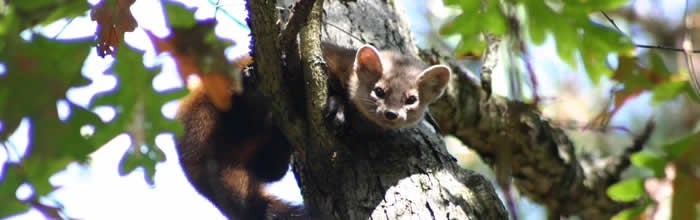
American Martens: re-introduction monitoring and health status
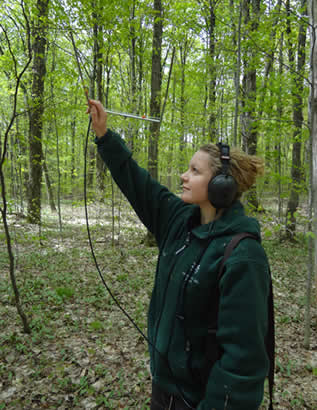 American martens went extinct in the Lower Peninsula of Michigan during the early-20th century due to the loss of mature conifer forest and unregulated trapping. Reintroduction efforts during the mid-1980s resulted in limited success, and two small populations were established in the Manastee National Forest. Since then, limited effort has been placed on monitoring these populations. Minnesota Zoo associate veterinarian Dr. Rachel Thompson championed Ulysses S. Seal Conservation Grants in 2012 and 2013 to collaborate with Dr. Maria Spriggs (veterinarian at Mesker Park Zoo) and wildlife biologists from the Little River Band of Ottawa Indians and Grand Valley State University to conduct mark-recapture population censuses and health status and serological studies in the Manastee National Forest.
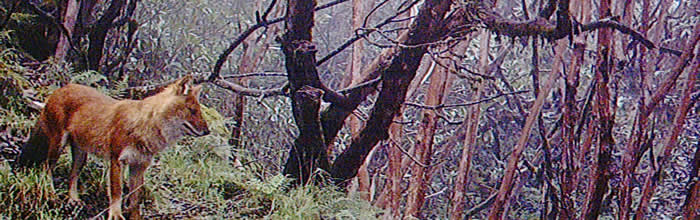
Dholes in Nepal
Dholes or Asiatic wild dogs (Cuon alpinus) are one of the least studied social carnivores in the world. Even in well-protected reserves, studies on dhole and up-to-date scientific information on existing populations remain negligible. Using funds from a Ulysses S. Seal Conservation Grant championed by Northern Trail zookeeper Fred Swengel in 2012 and 2013, researchers were able to establish camera traps in Nepal’s Kangchenjunga Conservation Area to begin estimating population sizes and estimate their degree of contact with humans and domesticated animals.
With only 2,500 individuals across their southeastern Asian range, dholes are listed as Endangered on the International Union for the Conservation of Nature’s Red List. Besides being one of only a handful North America to exhibit dholes, the Minnesota Zoo is also actively involved in their conservation in Thailand: www.mnzoo.com/conservation/conservation_world_dhole.asp.
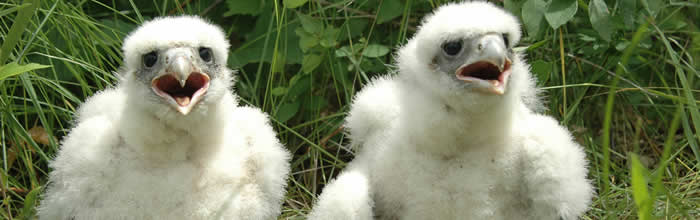
Peregrine Falcons: Monitoring and banding, USA (Midwest)
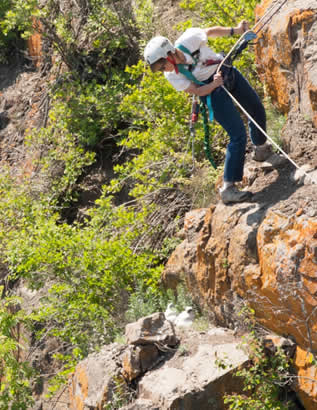 Poisoning from DDT and related chemicals had devastating effects on Peregrine falcons (Falco peregrinus) during the 1950’s – 1970’s., young peregrine falcons were released along the cliffs of the Mississippi River near Kellogg, Minnesota in 1982 to help re-establish populations in the Upper Midwest. These releases expanded over many years, and populations have risen. The peregrine falcon was de-listed from the Endangered Species list in 1999 and is being monitored for changes in the population that might require re-listing by the U.S. Fish and Wildlife Service (USFWS). The State of Minnesota removed the species from its Threatened list in 2013 due to the continued growth in the state’s peregrine population.
The work has changed in its focus from releasing captive bred birds to one of monitoring and studying the nesting birds and the success of their offspring. Former Minnesota Zoo zookeeper Jackie Fallon monitors nearly 50 of the 57 known peregrine falcon territories in Minnesota and North Dakota for the Midwest Peregrine Society. Monitoring and banding peregrine falcons involves 1) identification of all known birds, 2) confirming presence at a new site when reported, 3) monitoring the nest site to determine courtship behavior, number eggs laid, hatch date of chicks, and 4) determining a banding date of any known nestlings. Chicks are banded with two types of leg bands that allow for identification of birds via spotting scopes. A blood sample and sometimes a feather clipping are also taken for contaminant and genetic studies. Chicks and adults are monitored continues past fledging date and into the fall migration season. Injured or abandoned chicks are also rescued during fledging.
Minnesota Zoo’s Ulysses S. Seal Conservation Grant Program provided funding in 2005, 2007, 2008, 2012, and 2013 to monitor and band peregrine falcons as part of this successful program. It has allowed Jackie Fallon, Jenny Prom (Veterinary Technician), and Karla Anderson (Minnesota Trail Zookeeper) to personally participate in this successful program.
Panamanian Frogs and Chytrid Fungus Survival
Determination of Cause-specific Calf Mortality in Moose
Build a Hatchery-Save a Species – Sea Turtles
Addax Conservation in Termit and Tin Toumma, Niger
Mountain Bongo Reintroduction and Monitoring in Mt. Kenya National Park
Asian dhole conservation, Thailand
Artificial insemination in Amur tigers, USA The Giant Armadillo Project: Foundational ecological studies, Brazil
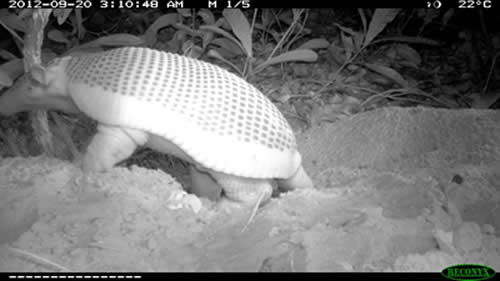
The Giant Armadillo Project: Foundational ecological studies, Brazil
Giant Armadillos are key “ecosystem engineers” in the Brazilian Pantanal that dig burrows used by dozens of species, including Southern Tamanduas and several other armadillo species. However, almost nothing is known about this largest armadillo species (up to 110 lbs!), and most information is anecdotal. The giant armadillo is threatened with extinction and is currently classified as Vulnerable to Extinction on the IUCN Red List of Threatened Species.
Interpretive Naturalists Mary Pederson and Bridget Smith championed a grant to help the Giant Armadillo Project (http://giantarmadillo.org.br) purchase field equipment like camera traps and telemetry and GPS units to monitor burrows and track the movement of collared individuals for the first time.
Caterpillars and Climate Change: Biodiversity and food studies, Costa Rica
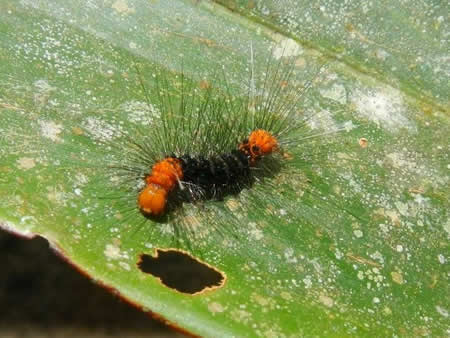 Butterflies and moths are one of the most diverse groups of animals on Earth with at least 160,000 species. We often know very little about most of these species, especially in the tropics, and even less about their interactions with their caterpillar host plants and the parasitoid wasps and flies that kill them. In a changing world, we expect these interactions to change, but we need to first understand the nature of these interactions. Zookeeper Cale Nordmeyer received a Ulysses S. Seal Conservation grant to travel to Costa Rica to rear and document the caterpillars, their hosts, and their parasitoids from hundreds of butterfly and moth species as part of on-going research by University of Nevada-Reno professor Dr. Lee Dyer under Earthwatch.
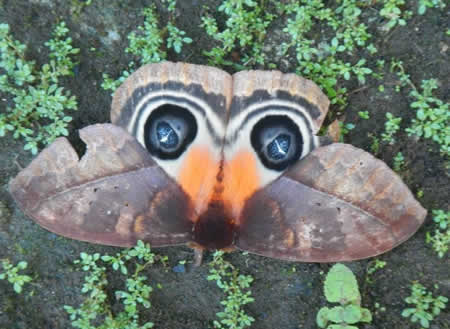

Conservation Education: Madagascar
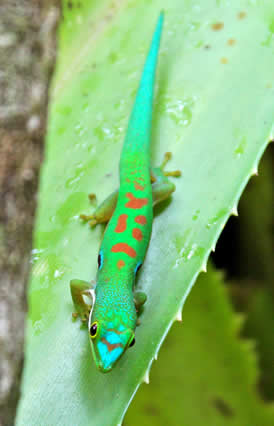 Madagascar’s forests are home to many amazing unique plants and animals, including the lemurs and radiated tortoises featured along the Minnesota Zoo’s Tropics Trail. These forests are also disappearing and many of their animals are among the most endangered in the world. Environmental education is key to reducing these threats, so we supported the Azafady Conservation Programme’s (ACP) environmental education activities in Sainte Luce, Madagascar to help children 1) become aware of the unique environment around them, 2) understand the importance of and processes necessary for the ongoing maintenance of healthy forest ecosystems, 3) have a sense of ownership and pride in relation to local forest fragments and species and 4) respect the local forest ecosystem and encourage resource sustainability.
Using funds from the Ulysses S. Seal Conservation grant, ACP helped Sainte Luce school children produce conservation storybooks and artwork featuring the adventures of “Vony the Variky” (Vony the Red-Collared Brown Lemur), establish the conservation “Club Atsatsaky” (Gecko Club) featuring the local endemic and Critically Endangered (IUCN) Phelsuma antanosy gecko as its logo, and provide Club Atsatsaky with two popular field trips to the Nahampoana Lemur Reserve where about 100 children were able to see crocodiles, radiated tortoises, eggs of the now extinct “Elephant Bird”, unique plants, and five species of lemur.
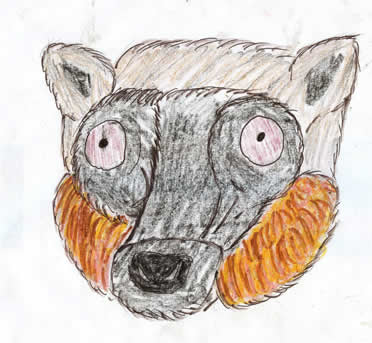 This grant was championed by Tropics Trail Zookeeper Cathy Schlegel.
Amur Tiger: Artificial Insemination, USA Zoos
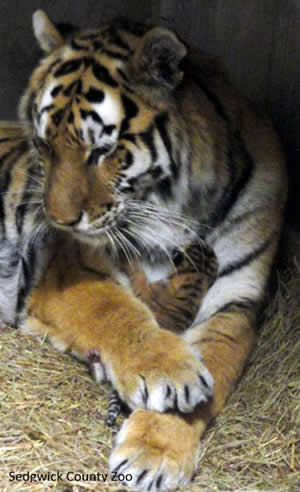 Worldwide tiger populations have fallen from over 100,000 in the early 1900s to 3,200 today. Carefully managed zoo-based breeding populations through the Tiger Species Survival Plan (coordinated by Minnesota Zoo staff) serve as a “genetic lifeboat” for endangered wild populations. As you might imagine though, it can be quite a logistical challenge to bring together pairs of genetically valuable adult tigers from different zoos for mating. And even then, many pairs that look good on paper don’t end up being a good match behaviorally.
Artificial insemination (AI) could improve breeding success for incompatible pairs of this endangered species and allow transfer of genetic material between zoos or countries without requiring transport of living cats. However, AI success in tigers historically has been very low with only three known pregnancies have been produced using AI in the past 20 years (from more than 60 procedures). Veterinarians Drs. Bill Swanson (Cincinnati Zoo) and Colleen Lambo (Omaha’s Henry Doorly Zoo and Aquarium) have worked to develop more effective AI procedures, and conducted AI with 11 female Amur tigers in 2011 and 2012. These new procedures produced a pregnancy Sedgwick County Zoo, and a single cub was born on 24 February 2013. Though the cub unfortunately did not survive, it represents the first tiger cub produced using the new laparoscopic oviductal artificial insemination technique and represents a significant advance.
This grant was championed by Dr. Tara Harris, the Minnesota Zoo’s Director of Conservation, Tiger Species Survival Plan Coordinator, and Co-convenor of the Amur Tiger Global Species Management Plan. Learn how you can help wild tigers at www.mnzoo.org/tigercampaign.
Loons and the Gulf Oil Spill: Health studies, Louisiana
Caption here
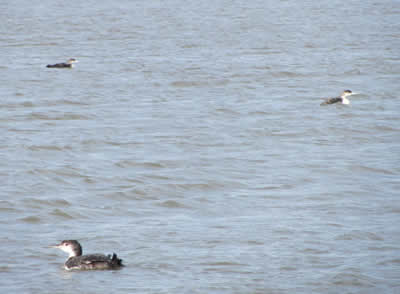
The common loon in vivid breeding plumage is a hallmark of any Minnesota summer on the lake. But our state bird does not stay year-round in Minnesota. A large portion of the North American population of the common loon winters from October to April on the Gulf of Mexico. There has been little research on loon behavior and activity on their wintering grounds, but these studies were necessitated when at least 176 million gallons of crude oil spilled into the Gulf of Mexico in 2010 from Deepwater Horizon oil rig disaster.
Oil Spill in Louisiana
The Biodiversity Research Institute is investigating potential long-term ecological impacts on the common loon in its wintering habitats from this largest oil spill in U.S. history. Although most loons had already begun their migration to their breeding grounds in the Upper Midwest at the time of the spill, the spill’s magnitude will affect the ecology of the Gulf of Mexico for decades to come. Diving birds like loons are particularly vulnerable to spilled oil. Besides slicks that prevent their feathers from serving as insulation from cooler waters, ingesting oil can lead to petroleum toxicity and other potentially fatal problems. These effects are particularly stressful on migrating birds that must acclimate to new surroundings, and can be transmitted to their eggs and hatchlings.
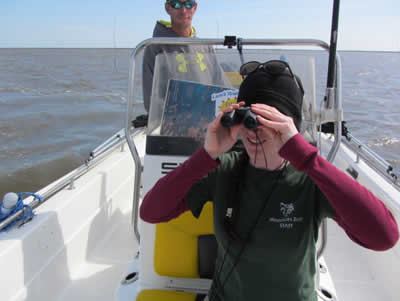
Rebecca Schaefer, Bird Show Interpretive Naturalist at the Minnesota Zoo, championed this grant, and personally assisted field researchers in Louisiana. The grant provided funding for blood-isotope testing, supplies, and other support for the researchers.
Carnivore Coexistence: Snapshot Serengeti in Tanzania
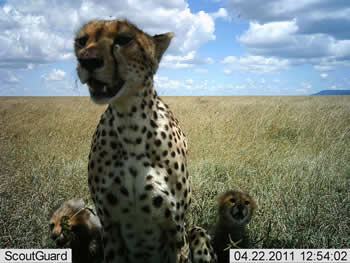
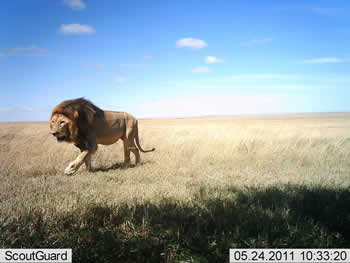
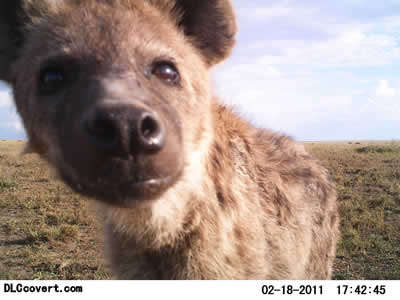 Understanding how competing species coexist is a fundamental theme in ecology, underlying stability in food webs, biodiversity in ecosystems, and the sustainability of life on Earth. This project led by University of Minnesota Ph.D. student Ali Swanson focuses on the environmental and behavioral characteristics that promote coexistence between predators and the community-level implications of disrupting these mechanisms on the vast Serengeti grasslands of Tanzania.
Because predators tend to be nocturnal and secretive, camera traps provide a rare window into the activity patterns of these species. Using mark-recapture population estimation techniques, the camera traps can also be used to estimate the abundance of unmonitored carnivores such as hyenas and leopards. This work has created a vast database of photos and the opportunity for well-publicized citizen science at Snapshot Serengeti (www.snapshotserengeti.org).
This grant was championed by the Minnesota Zoo’s Supervisor of Behavioral Husbandry, Christine McKnight, and provided funding for SD cards for the camera traps.
Nautilus: Population censuses in the Philippines
Nautilus are amazing shelled relatives of octopuses, squid, and cuttlefish, and are famous “living fossils.” Slow growth and reproduction rates and overfishing for their shells are posing significant threats to already low population sizes. While population sizes are thought to be declining, there are currently however no fishing restrictions on them, nor do we have good estimates on the sizes and structures of their populations.
Zookeeper and Aquarist Becky Duchild championed a grant to provide logistical and transportation support to researchers in the Philippines to assess Nautilus population sizes inside and outside of protected fishing reserves using no-harm bait traps and underwater cameras.
Ape Tuberculosis: Disease diagnosis testing, Uganda and Kenya
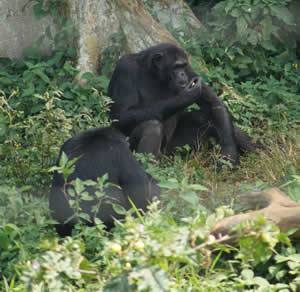 Close encounters between people and human-accustomed great apes are common aspects of ecotourism and research in Africa. These contacts, however, present the risk of transmission of diseases like tuberculosis from humans to great apes. Understanding the extent of the risk is critical. Minnesota Zoo associate veterinarian Dr. Tiffany Wolf received a Ulysses S. Seal Conservation Grant to develop an accurate and noninvasive diagnostic test to detect tuberculosis infection in great apes. She travelled to Uganda and Kenya to validate this test in a population of free-ranging chimpanzees and in rehabilitated chimpanzees managed by African sanctuaries.
Rattlesnakes: Population study of Eastern Massasauga rattlesnakes, USA Michigan (also funded in 2009)
Rattlesnakes: Population study of Eastern Massasauga rattlesnakes, USA (Michigan)
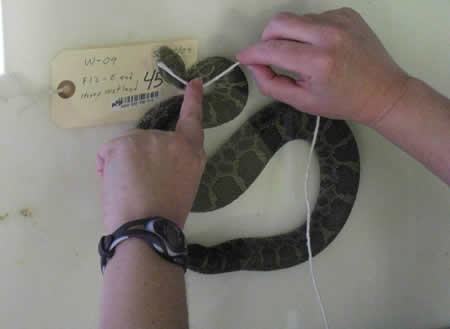
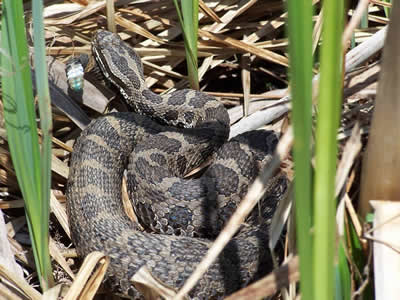 The Eastern Massasauga rattlesnake is listed as endangered by the state of Minnesota as well as 10 of the 11 other states in its range. It is also a candidate for listing on the federal Endangered Species List. Most experts consider the rattlesnake’s populations to be declining across its range due to habitat loss and change, poaching, and vehicle strikes. This long-term project will collect mark-recapture data on individual rattlesnakes at a site in southwest Michigan, to better understand reproduction and survival in a relatively healthy population. Weight, length, sex, and condition measurements will also be taken each time an individual is located. The Ulysses S. Seal Conservation Grant Program provided funding to help cover the costs of this project’s rattlesnake field survey. Staff champions for this project are Doug Ludemann, Zookeeper/Aquarist, and Tom Ness, Supervisor of Tropics/MN Mammals.
Saving Dholes
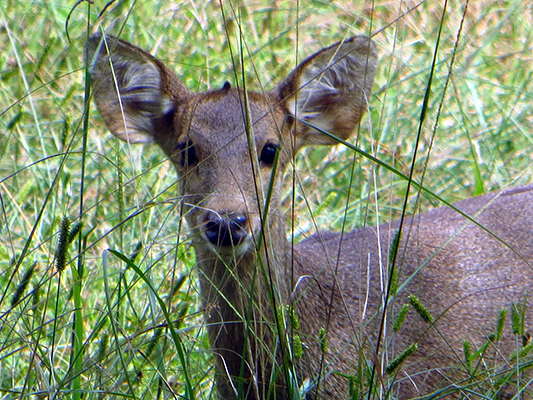
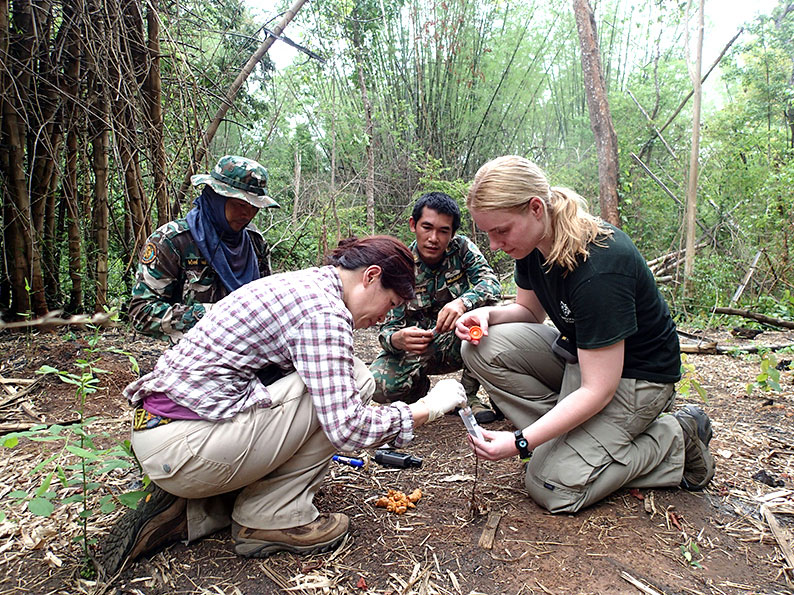
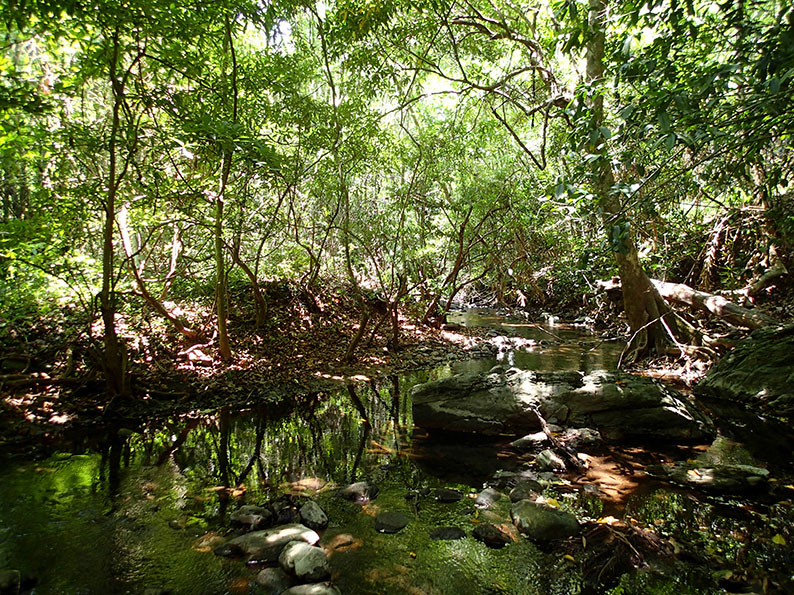
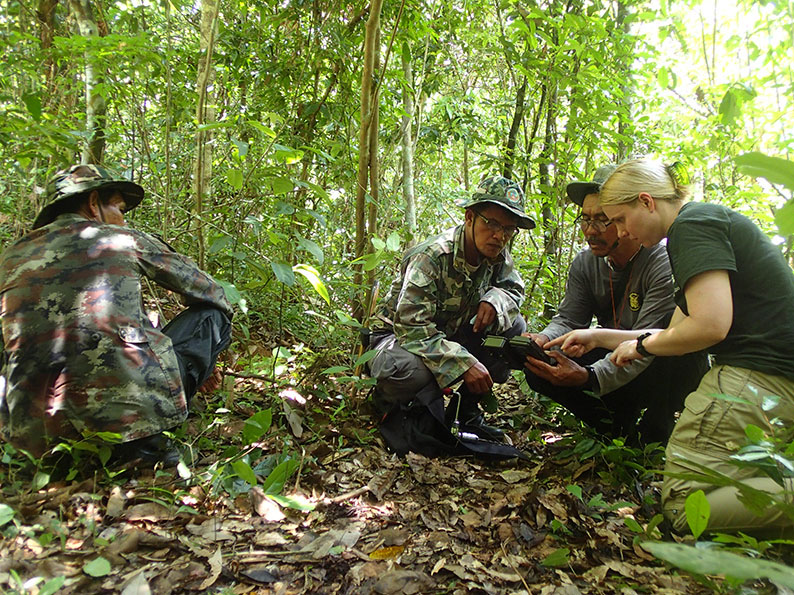
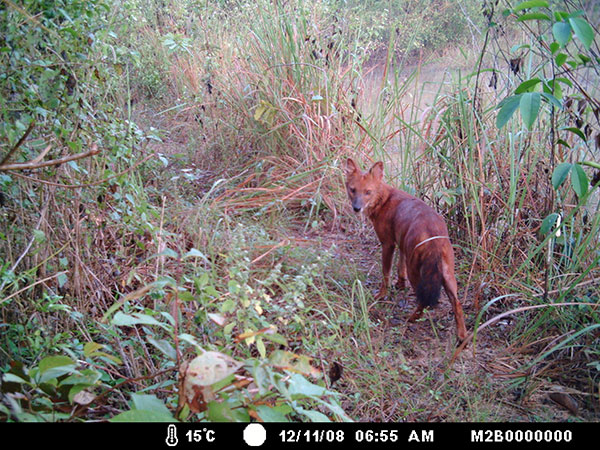
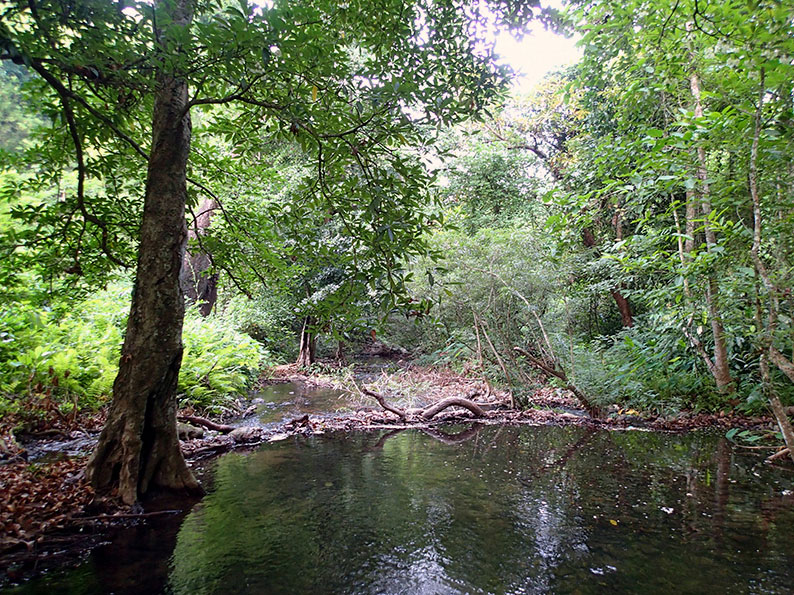
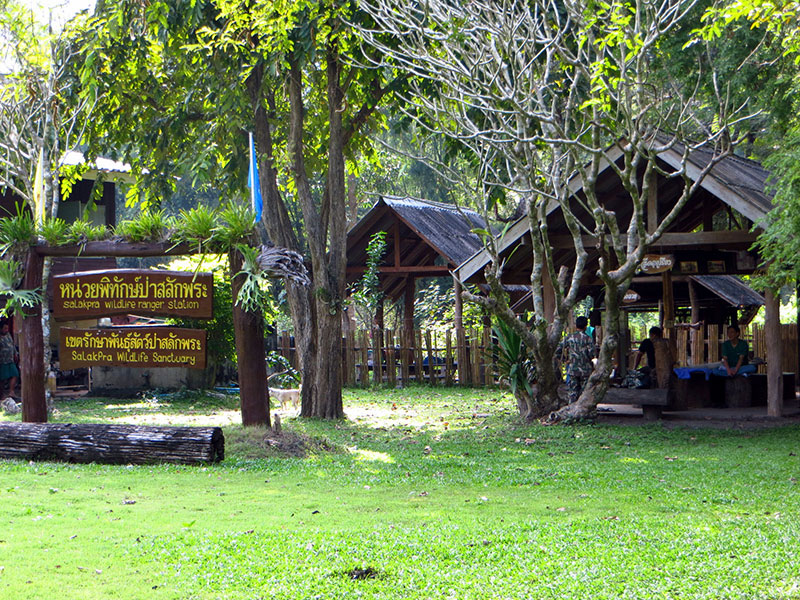
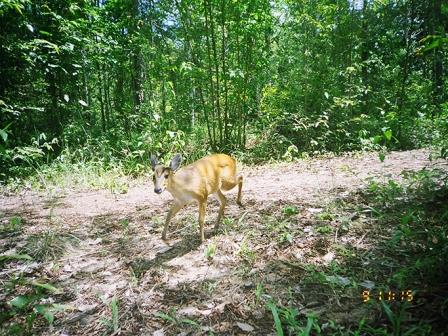
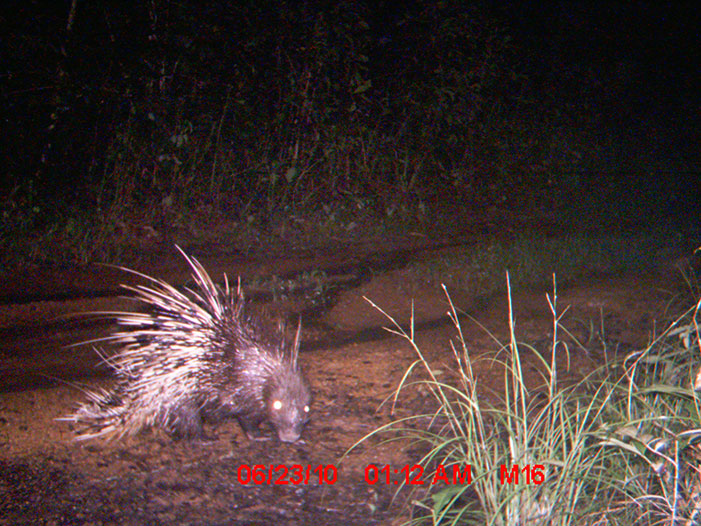
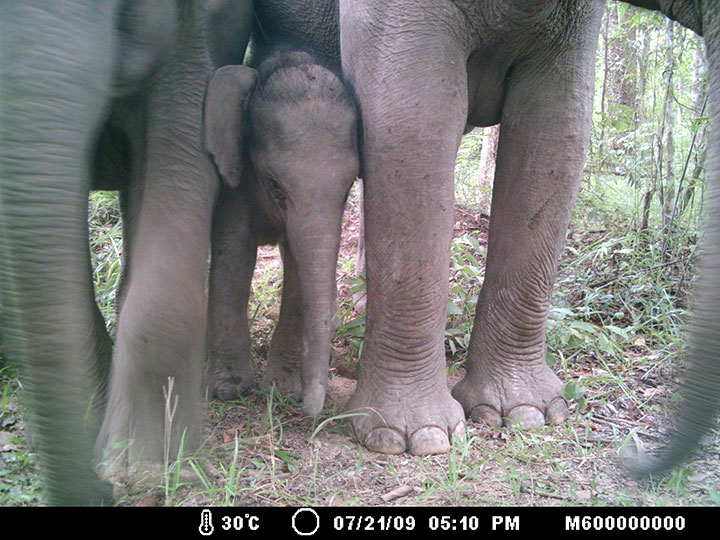
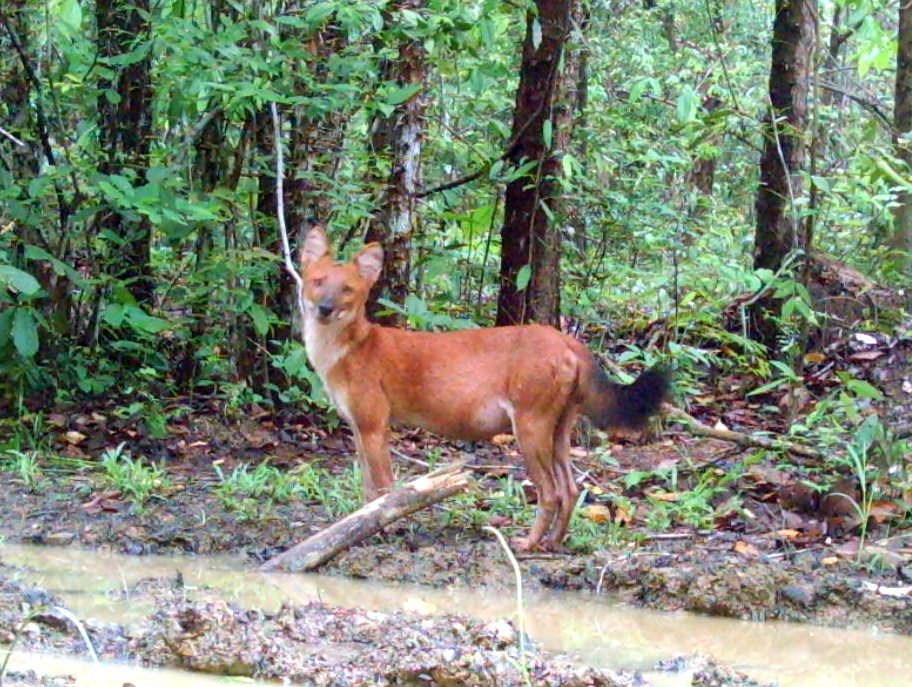
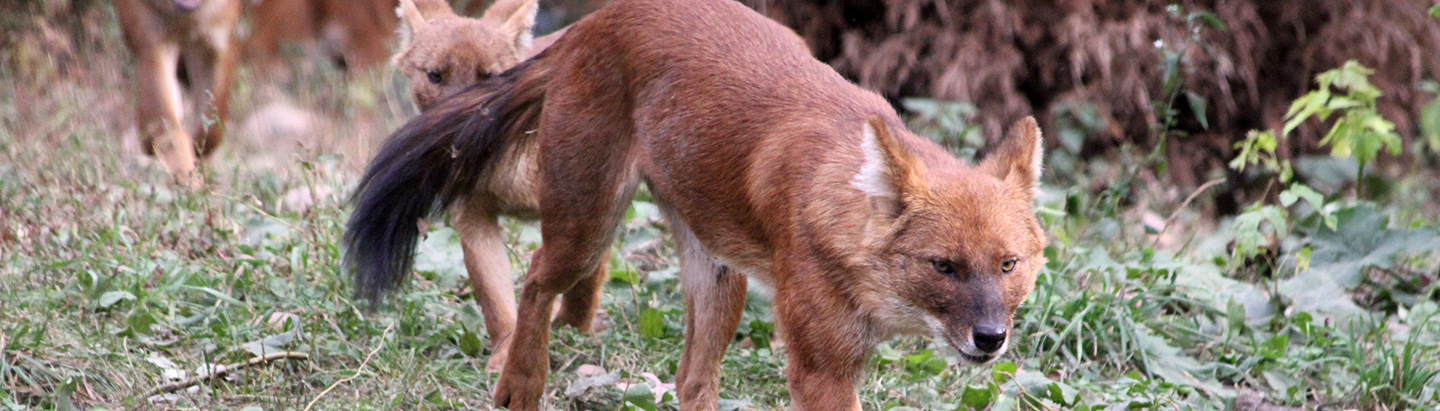
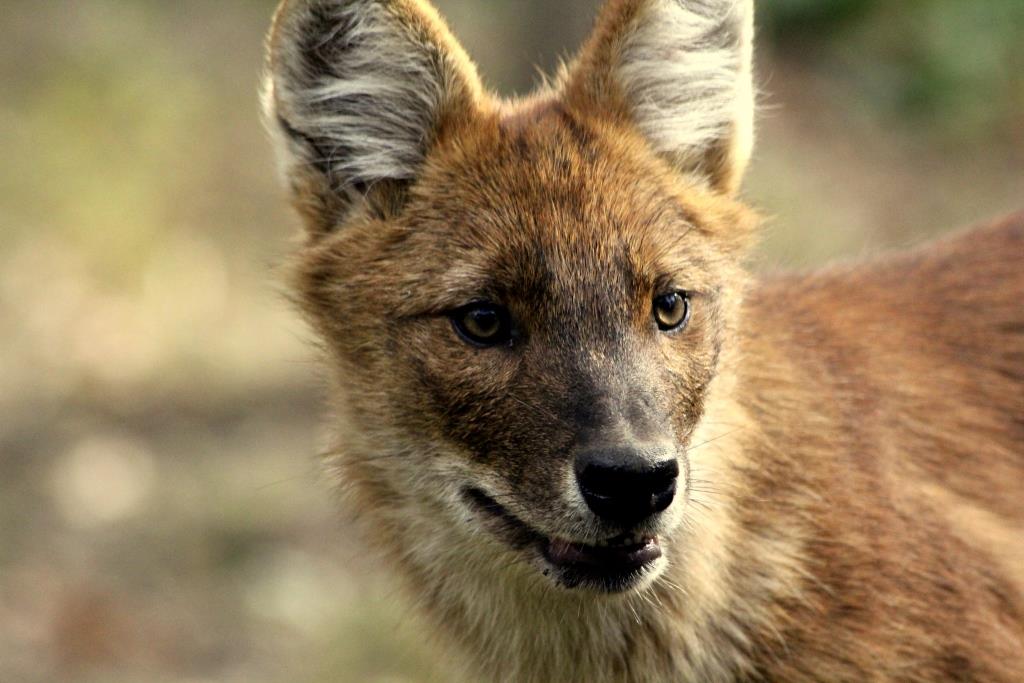
Did you know that the Minnesota Zoo is one of only three places in North America where you can see a dhole? (Pronounced dole – like the banana brand). Dholes ( Cuon alpinus ) are wild canids—mammals that are members of the dog family. If you spotted them at the Minnesota Zoo, you may have thought they looked like red foxes or some kind of small wolf. Most people have never heard of a dhole, but they are important predators in tropical forests and grasslands of Southeast Asia. Minnesota Zoo Conservation Biologist, Dr. Kate Jenks, co-leads efforts to study wild dholes in Thailand.
There are about 2,500 dholes left in the wild. This means that there are fewer dholes than tigers left in the wild! They face the same threats that other wild canid species, like wolves, face. Dholes suffer when their habitat is destroyed to make room for farming or when poachers kill deer (the dhole’s main food source). In some countries, dholes are killed by people who blame the dholes for killing their livestock. Also, dholes may get sick from domestic dogs that have not been vaccinated against disease.
The Minnesota Zoo has a strong history of dhole conservation. Biologists at the Minnesota Zoo worked in partnership with the Smithsonian Conservation Biology Institute to try and help remaining dhole populations in Thailand. Basic information was gathered about how dholes use their habitat, current threats to dhole populations, and developed a management plan for the species in the wild.
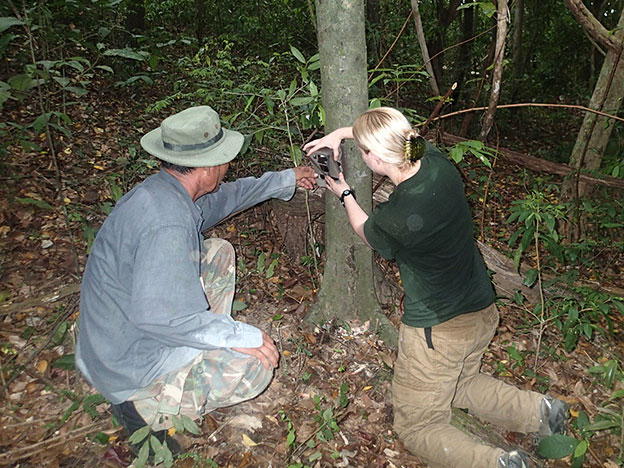
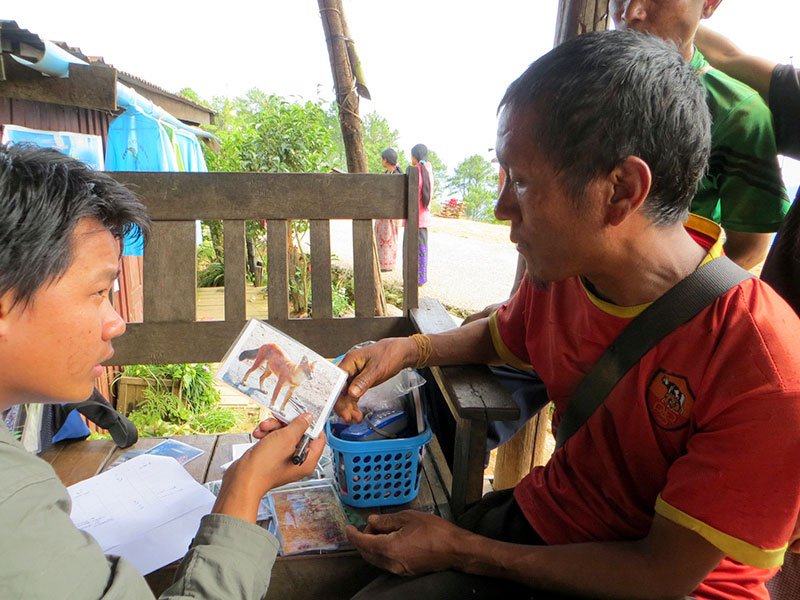
The first step is to find shy and elusive dholes in the forest. Biologists use camera-traps to track the locations of dholes and other wildlife. The team also placed GPS tracking collars on dholes from different packs. The data recorded from these collars can help scientists learn where the dholes travel, how they use different habitat types, and if they roam close to areas where dogs live. When dogs and wildlife meet they can spread diseases. This is dangerous because already-small dhole populations could crash if they catch a new disease. Scientists will also use the collar data to outline home ranges for dholes and estimate how many packs live in the area.
Make a donation to support animals like dholes.
Pygmy three-toed sloth: Panama
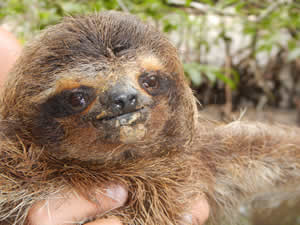 The pygmy three-toed sloth (Bradypus pygmaeus)is the most endangered of all members of the placental mammal superorder Xenarthra, which contains sloths, armadillos, and anteaters. It was only recognized as a distinct species in 2001, and is only found on Panama’s tiny Isla Escudo de Veraguas. This island is protected as a wildlife refuge and is contained within the Comarca Indigenous Reserve, but law enforcement is currently inadequate and needs to be improved. Although the island is uninhabited, fishermen, lobster divers and local people are all seasonal visitors; a growing number of fishermen and their families are temporarily living in the island, cutting mangrove trees (the sloth´s habitat and source of food) to make charcoal and opportunistically hunting sloths. This project proposal seeks to undertake urgent assessment and protection actions to save pygmy three-toed slothsfrom certain extinction. In collaboration with Panama´s Fundación Conservación, Naturaleza y Vida and the Zoological Society of London (ZSL), this project seeks to 1) support the authorities in their attempts to enforce legal regulations to stop the killing of sloths and the cutting of red mangroves, 2) conduct the first quantitative census and genetic survey of pygmy sloths to know their actual numbers, distributions and a behavioral ecology study to ascertain the pygmy´s habitat use, and 3) disseminate information on the pygmy sloth and its condition in order to increase local awareness and public support for conservation.
Ulysses S. Seal Conservation grant funds allowed the Minnesota Zoo’s Melanie Sorensen Education Program Coordinator for Teens and Adults to travel to Panama to i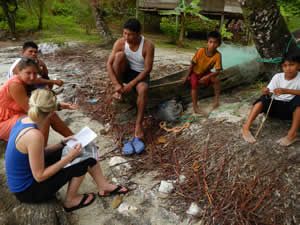 nterview locals about their experiences on the island to parallel this information with the ZSL researcher’s biological survey of the island. Melanie also was invited to speak in multiple coastal community schools to get the students excited about this ongoing sloth project. Melanie held a teacher workshop with the English teachers at the schools to develop and give resources on ways they can continue the education throughout the year on this biologically diverse island. Melanie’s trip was also began the relationship with community leaders that will continue the education and discussions about sustainable uses of the island resources by all communities.
Bactrian camel: ecology and conservation research, Mongolia
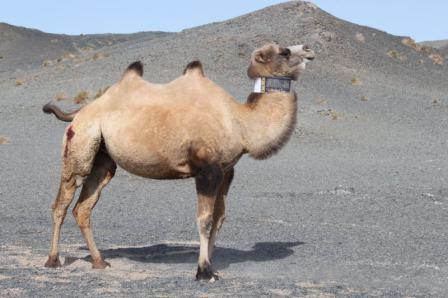 The Bactrian camel (Camelus ferus) is native to the deserts of China and Mongolia, but fewer than 1000 individuals remain in the wild and it is a critically endangered species. Details of the Bactrian camel’s ecology and causes for its decline are poorly understood. In collaboration with the staff at Denver Zoo, this project tracked the movement of wild Bactrian camels with GPS Satellite collars to 1) better understand the ecology and biology of wild Bactrian camels , 2) help determine the major factors causing the decline and inhibiting natural recovery of wild bactrian camels in Mongolia, and 3) develop a conservation plan for the wild Bactrian camel and its habitat. The Ulysses S. Seal Conservation Grant program helped purchase a telemetry collar used to track camels for this project. Gina Goralski in the Zoo’s Education Department championed this project.
Chinchillas: habitat restoration, Chile
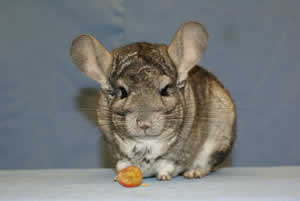 This project is a real success story. Wild chinchillas (both long-tailed and short-tailed, Chinchilla lanigera and Chinchilla chinchilla) are native to dry, rocky and sandy foothills of the Andes Mountains of Chile. Once widely distributed, the wild chinchilla colonies are declining and critically endangered. It is thought that only 3,000-5,000 individuals remain in the wild. Chinchillas are threatened by poaching for their extremely soft pelt, hunting, predation by foxes, and habitat loss.
This project by “Save the Wild Chinchilla” is restoring lost chinchilla habitat by replanting vegetation near Illapel, Chile. The Ulysses S. Seal Conservation Grant Program has helped cover the costs for nursery supplies and transportation. A new nursery has been completed with the help of volunteers, and chinchilla colonies have now been observed near at the restoration sites and the National Chinchilla Reserve for the first time in the 40 years!
This project was championed by Christine Ness, Interpretive Naturalist at the Minnesota Zoo.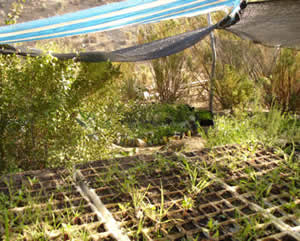
Piping Plover Recovery Project: Recovery project, USA (Michigan)
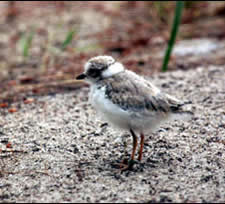 The Great Lakes Piping Plover (GLPP) is a small shorebird whose breeding populations declined from 500-800 pairs throughout the Great Lakes region to just 11-14 pairs in 1986 due to habitat destruction, nest disruption, hunting and predation numbers. Numbers have now risen to about 60 pairs by 2012 due to greater protections afforded under the U.S. Endangered Species Act and due to intensive breeding efforts at the University of Michigan’s Biological Research (UMBS) station in Pellston, Michigan.
The GLPP Recovery Program seeks to restore and maintain a viable population to the Great Lakes and increase genetic diversity and increase population numbers by salvaging abandoned nests or nests that are in danger of being lost. During the May-August nesting season, zookeepers from across the country work at the UMBS artificially incubating and hand-rearing salvaged eggs and chicks. When the eggs hatch, the chicks are fed mayflies and aquatic invertebrates every 2 hours from sun up to sun down.
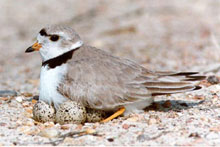
The chicks are exposed to “behavioral conditioning” to learn to survive on their own before their release. For example, the chicks are taken to an outside lakefront enclosure daily to encourage natural behavior and decrease the chances of imprinting on humans. The enclosure extends into the water to help the chicks learn to wade and hunt for food. They are also exposed to a pre-recorded tape of an adult’s alarm call when there is danger in the area to learn to react to danger. The chicks are banded and released back to the wild after 28 days of rearing and conditioning, generally back to their nest site for release. If that is not possible they are released in an area with chicks of about the same age.
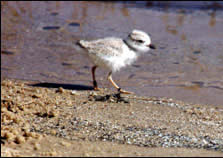
The Ulysses S. Seal Conservation Grant has supported this program has provided the ability for Janet Long, Animal Health Zoologist at the Minnesota Zoo, to participate in this conservation program in 2005 and 2007. Amy Olsen, Executive Assistant of the Minnesota Zoo Foundation and AZUL coordinator championed another grant, and personally participated in 2012. Read about Amy’s experience on the July 23, 2012 entry of the Zoos Blog.
Dholes: Ecology and conservation in Kangchenjunga Conservation Area, Nepal
Zebras: Conservation of Hartmann’s mountain zebras, Namibia
Peregrine Falcons: Monitoring, USA (Minnesota)
Saving Dholes
Did you know that the Minnesota Zoo is one of only three places in North America where you can see a dhole? (Pronounced dole – like the banana brand). Dholes ( Cuon alpinus ) are wild canids—mammals that are members of the dog family. If you spotted them at the Minnesota Zoo, you may have thought they looked like red foxes or some kind of small wolf. Most people have never heard of a dhole, but they are important predators in tropical forests and grasslands of Southeast Asia. Minnesota Zoo Conservation Biologist, Dr. Kate Jenks, co-leads efforts to study wild dholes in Thailand.
There are about 2,500 dholes left in the wild. This means that there are fewer dholes than tigers left in the wild! They face the same threats that other wild canid species, like wolves, face. Dholes suffer when their habitat is destroyed to make room for farming or when poachers kill deer (the dhole’s main food source). In some countries, dholes are killed by people who blame the dholes for killing their livestock. Also, dholes may get sick from domestic dogs that have not been vaccinated against disease.
The Minnesota Zoo has a strong history of dhole conservation. Biologists at the Minnesota Zoo worked in partnership with the Smithsonian Conservation Biology Institute to try and help remaining dhole populations in Thailand. Basic information was gathered about how dholes use their habitat, current threats to dhole populations, and developed a management plan for the species in the wild.
The first step is to find shy and elusive dholes in the forest. Biologists use camera-traps to track the locations of dholes and other wildlife. The team also placed GPS tracking collars on dholes from different packs. The data recorded from these collars can help scientists learn where the dholes travel, how they use different habitat types, and if they roam close to areas where dogs live. When dogs and wildlife meet they can spread diseases. This is dangerous because already-small dhole populations could crash if they catch a new disease. Scientists will also use the collar data to outline home ranges for dholes and estimate how many packs live in the area.
Make a donation to support animals like dholes.
Tigers: breeding success study, USA
 The tiger (Panthera tigris) is a highly endangered carnivore, with only perhaps 3,500 individuals remaining in the wild. In North America, the Association of Zoos and Aquariums’ Tiger Species Survival Plan (SSP) scientifically manages captive populations of Amur, Malayan, and Sumatran tigers that serve as a backup and a “genetic insurance policy” for their wild counterparts.
The Tiger SSP is using analyses of long-term breeding recommendation data and female hormone data to understand which factors influence breeding success in the tigers it manages. This will lead to improved management and greater sustainability for these small tiger populations. The Minnesota Zoo’s Ulysses S. Seal Conservation Grant Program provided funding for female hormone analyses for this study. This project was championed by Ron Tilson, Director of Conservation at the MN Zoo.
African penguin research, South Africa
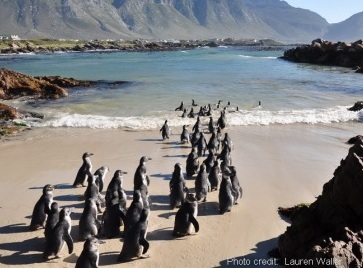 The African penguin is native to the coasts of southern Africa and is considered an endangered species. It has undergone a rapid population decline, probably as a result of commercial fisheries and shifts in prey populations.
SANCCOB, a conservation organization in South Africa, is working to help African penguins with initiatives such as the Chick Bolstering Project. The goal of this project is to arrest the global decline of the African penguin through conservation efforts focused on juveniles of the species.
Between 2006 and 2008 nearly 1,500 African penguin chicks were abandoned at breeding grounds due to parent birds beginning their molt. When adult penguins begin to molt, they leave their nest and gather at the shore line with other molting and non-molting adults. Once the molt begins they do not return to the nest. Molting birds are no longer water proof and therefore unable to fish for food for themselves let alone their chicks. SANCCOB supports these abandoned chicks and releases them back into their natural habitat in healthy condition. The Minnesota Zoo’s Ulysses S. Seal Conservation Grant Program provided funding for veterinary testing and supplies for this project. This project was championed by Molly Gezella, Bird Show Interpretive Naturalist at the Minnesota Zoo.

Butterflies: Big Stone Wildlife Refuge Butterfly Survey, USA Minnesota
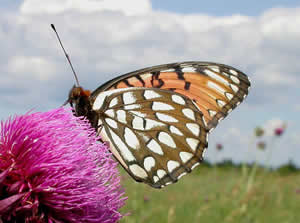
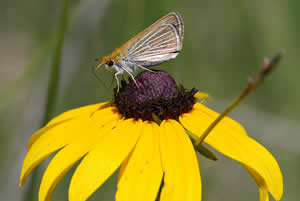 The tallgrass prairies of western Minnesota are one of the most endangered ecosystems in the world, and many species that rely on them are threatened, endangered, or in decline. For example, 10 of the 15 butterflies listed as either Threatened, Endangered or of Special Concern by the State of Minnesota are prairie endemics. Two of these, the Poweshiek skipperling (Oarisma poweshiek)and Dakota skipper (Hesperia dacotae) are also Candidate species for listing under the U.S. Endangered Species Act. Big Stone National Wildlife Refuge in southwestern Minnesota protects 1,700 acres of remnant tallgrass prairie and provides valuable habitat for these prairie butterfly species. Butterfly surveys in 1988, 1999, and 2000 documented these species at the Big Stone NWR, but only one Dakota skipper female was found during 2000 survey and the current status of both of these species in the refuge is unclear. The Ulysses S. Seal Conservation Grant Program provided funding for follow-up surveys for these and other prairie butterfly species in 2009 and 2011. Staff champion for this project is Cathy Schlegel, Tropics Trail zookeeper. Learn more about the Minnesota Zoo’s new prairie butterfly conservation efforts.
Blue Iguana Recovery Program: Cayman Islands
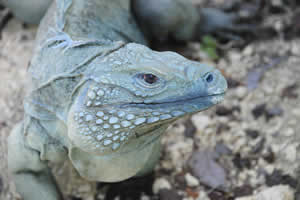 The endemic Grand Cayman iguana (Cyclura lewisi) is among the world’s most endangered reptiles. From a population numbering in the thousands, it has steadily declined, and by 2002 only a remnant population of 15-20 wild iguanas remained. Faced with impending extinction in the wild, the National Trust for the Cayman Islands initiated the Blue Iguana Recovery Program (BIRP). Conducted in conjunction with the IUCN Iguana Specialist Group and the San Diego Zoo’s Conservation and Research for Endangered Species Department, the recovery effort includes captive breeding, recovery of eggs from wild nests, head-starting hatchlings with release to protected areas on Grand Cayman, and habitat enhancement and protection. Due to this effort there are now about 500 free-ranging Grand Cayman iguanas at three sites on Grand Cayman. None of the original wild population remains, with the wild population now consisting entirely of iguanas that were hatched and head-started in captivity before release to the wild, or their offspring. There has been excellent survival and successful reproduction of released animals, a striking and tangible demonstration of the value of captive breeding programs in the recovery of threatened and endangered species.
The Ulysses S. Seal Conservation grant proved funds to support health assessments of release candidates, the captive breeding population, and free-ranging iguanas. This project was championed by Kevin Willis, Director of Biological Programs and Charlene Massey Jundt, Zoo Foundation Trustee.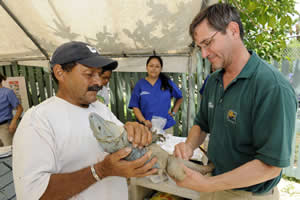
Savanna wildlife: migration corridor monitoring, Kenya
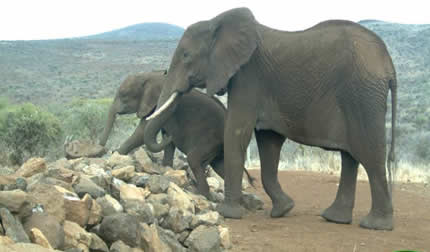 A wide variety of animals live in the savannas of Kenya and many are considered vulnerable or endangered. Savanna habitats are grasslands with some trees and shrubs scattered throughout the terrain. The animals found in the savannah have adapted to both wet and dry seasons and have learned where to find water when there is little rainfall.
Lewa Wildlife Conservancy in northern Kenya is located at a natural pinch-point on the migratory route between the Ngare Ndare Forest on the edge of Mount Kenya and the Samburu-Namunyak area rangelands to the north. Gaps in the fence line serve as excellent placement points for camera traps to collect a vast amount of information about the animals moving between these habitat zones. Many of the species using this migratory route have low or declining population numbers due to the pressures of habitat loss, encroachment, fragmentation, climatic variation, disease and direct human interference. The Minnesota Zoo’s Ulysses S. Seal Conservation Grant Program helped fund camera trapping equipment for this research. This project was championed by Adam Keniger, Tropics Mammals Zookeeper.
Sea turtles: monitoring movements of post-nesting females, Mexico
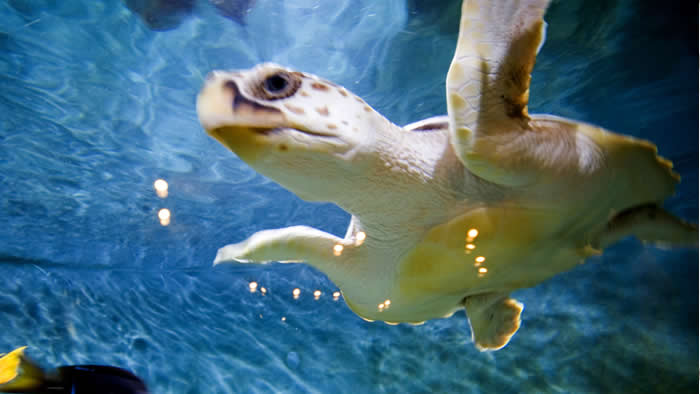
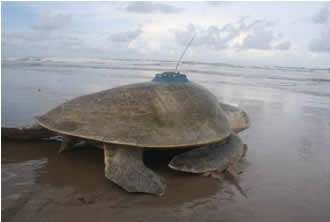 Of the seven sea turtle species worldwide, the Kemps ridley (Lepidochelys kempii) is the most endangered. It was placed on the endangered species list in 1970 and is currently listed as “critically endangered”. This species’ decline has largely been due to harvesting of adult turtles and their eggs, as well as incidental capture in commercial fishing operations.
This study is monitoring the movements of nesting Kemps ridley turtles using satellite telemetry to determine where they go after they have completed nesting for the year. Fourteen satellite transmitters were attached to nesting females leaving the nesting beaches in 2010 and 2011. The Ulysses S. Seal Conservation Grant Program helped fund satellite transmitters and associated supplies for this study. The project was championed by Allan Maguire, Aquariums Supervisor at the Minnesota Zoo.
Blue-throated Macaw Conservation
 by the World Parrot Trust, Bolivia
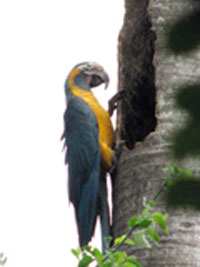
The blue-throated macaw is the highly-threatened relative of the blue-and-gold macaw. Unlike the larger blue-and-golds, found throughout tropical South America, the blue-throats are found only in north-central Bolivia. Although there have been effective efforts to study and protect this species since its discovery in the wild in 1992, the World Parrot Trust is now conducting a full-fledged field conservation program for this species.
The blue-throated Macaw is one of the rarest birds in the world. Recent estimates put the wild population at several dozen birds and captive estimates from several hundred to the low thousands. Although blue-throats appear to be like many other macaws specializing on one or two species of palm for food and nesting requirements, it was apparently not this habitat specialization that drove them to the brink of extinction. A great deal of their habitat still exists and is highly compatible with cattle ranching in central Bolivia.
Blue-throats biggest challenge has been a dramatic and well-documented pet trade. Although the exact location of the wild birds had been a mystery to ornithologists for decades, trappers apparently discovered the wild birds sometime in the late 1970’s – early 1980’s. During the early 1980’s – early 1990’s, 400-1,200 birds were exported from Bolivia, many of which are now in captivity in Europe and North America. It was not until 1992 that the last wild birds were discovered by Charles Munn, who posed as a wildlife filmmaker and was led to the site by an ex-trapper. By then Bolivia had banned bird export, the Wild Bird Conservation Act had been signed in the US, and the last remaining trapper had been converted to a guide/protector of the blue-throats. Conservation efforts for the blue-throated macaw have focused on looking for more birds, protecting a handful of nest sites (usually three to four), and continuing to support ex-poachers to protect remaining birds.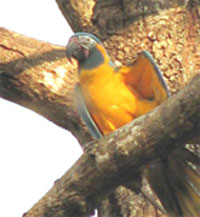
The immediate goal is to “locate, protect, and encourage the survival and successful breeding of the wild birds”. The research team is trying to determine factors that contribute to successful breeding and fledging, as well as factors that limit success. Nest competition, predators, weather and diet components are also being studied. Since most wild blue-throated macaws exist on privately-owned cattle ranches, public relations and awareness must be an ever present element for the field team. Native Bolivians are being asked to participate in this ongoing research as a way of providing incentive for the local people to conserve this highly endangered species.
The Ulysses S. Seal Conservation Grant Program funded this project in 2006, 2007, and 2009. Staff champion for this project is Dave Cruz, World of Birds Show Supervisor.
Goitered gazelle: translocation program, Uzbekistan
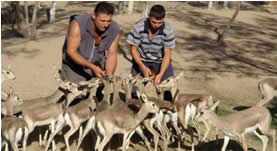 The goitered gazelle (Gazella subgutturosa) lives in a desert habitat throughout the Middle Eastand into parts of Asia such as China, Pakistan, and Mongolia. Regionally the goitered gazelle has become extinct in three countries: Armenia, Georgia, and Kuwait. Their populations have been continuously declining from an estimated population size of 120,000-140,000 due to habitat loss and hunting. According to the IUCN Redlist, the goitered gazelle is considered “vulnerable to extinction”.
The ecological center “Djeiran” was established near Bukhara, Uzbekistan in 1977 with the main goal of breeding goitered gazelles for reintroductionin suitable habitats in Uzbekistan and other areas of Central Asia. Gazelle populations in the 5,126 hectare fenced-in center have climbed to 902 animals (October 2009) from an initial start of 44 animals in 1977. Established gazelle populations in the semi-reserve will be used for reintroduction efforts in new desert ecosystems throughout Uzbekistan and Central Asia, including former portions of the Aral Sea. The Ulysses S. Seal Grant Program has supported the rearing and translocation of goitered gazelles. This project was championed by Tony Fisher, Animal Collection Manager at the Minnesota Zoo.
Red panda: forest guardian program, Nepal
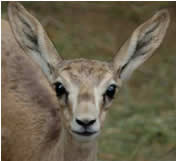
 The red panda (Ailurus fulgens) is endemic to the Eastern Himalaya with distribution limited within Nepal, India, Bhutan, China and Myanmar (Burma). Red pandas are endangered throughout their range and are enlisted as “Vulnerable” by the IUCN (International Union of Conservation of Nature) Red List. In Nepal, factors threatening red pandas are loss and fragmentation of habitat due to deforestation and conversion to other land use forms, livestock grazing and live poaching, and the pet and fur trade. A major factor hindering conservation efforts is insufficient information regarding red pandas’ distribution and population status. Red panda population numbers are predicted to be lower than 10,000 and declining.
In Nepal, Red Panda Network is working in the lower Kanchenjunga Mountain Complex to monitor red pandas through a community approach and assessing its population trend over a longer period of time. Through this study, they will assess the effectiveness of using camera traps for red panda and produce an index of abundance of red panda in the forest. Funds from the Minnesota Zoo were provided to appoint an additional forest guardian in Nepal’s lower Kanchenjunga Mountain Complex and train him to monitor red pandas with the help of camera traps. Funds were also provided to conduct a refresher workshop for the forest guardians and a conservation education program focusing on red pandas in two schools near red panda habitat. This project was championed by Laurie Trechsel, Zoologist at the Minnesota Zoo.
Wood Bison: reintroduction program, Alaska
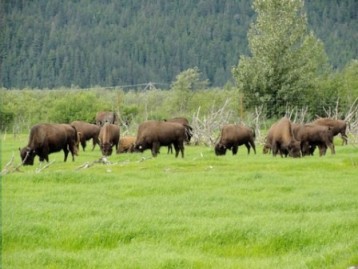 Wood bison (Bison bison athabascae) are the largest land animals in North America. Like their cousins, the Plains Bison (Bison bison bison), they nearly went extinct in the early 20th century after years of hunting and habitat pressures. By the 1950’s only about 250 individuals survived in Canada’s Wood Buffalo National Park. Although populations have now risen to about 3000 in boreal wilderness of northwestern Canada, it is listed as Threatened in Canada and as Endangered by the U.S. Fish and Wildlife Service and the International Union for Conservation of Nature’s Red List.
In 2008, wood bison were re-introduced into central Alaska as part of a recovery plan for the species. Wood bison feed primarily on sedges and grasses, and studies have shown that bison grazing can increase habitat diversity. Ulysses S. Seal Conservation grant funds were used to purchase livestock panels used in the release site to hold the bison while they acclimate to their new environment. This project was championed by Grant Spickelmier, Assistant Director of Education at the Minnesota Zoo.
Amphibians: research on the impacts of biomass harvesting, Minnesota
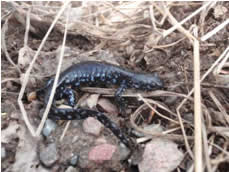 Recently, there has been growing public awareness of both the finite nature and the ecological effects of using fossil fuels to generate energy. This public awareness has created an increased interest in renewable bioenergy resources. One such source of potential energy that has received recent attention in Minnesota, and the United States as a whole, is energy derived from woody biomass. Little is known about the impacts of woody biomass harvest, which removes the woody material typically left behind in traditional silvicultural harvest, on deadwood dependent organisms such as amphibians. This study aims to provide some of the first information on how the harvesting of residues (i.e. woody biomass) left over from typical silvicultural practices will affect amphibian species abundance and diversity.
Amphibians are an important source of energy flow in many ecosystems, due in part to theirability to efficiently convert ingested energy into biomass. In temperate regions around the world amphibians can comprise a large proportion of vertebrate biomass in wetland and forest systems, making them an ecologically significant taxon. Yet, amphibian species are declining at an alarming rate, and some researchers are referring to the decline as the “global amphibian crisis”.The information gathered from this study in Minnesota can be used to better inform conservation decisions as the global demand for energy continues to rise.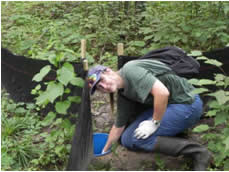
Research was conducted in 2 40-hectare hardwood forests owned by St. Louis County, Minnesota, to better understand the impacts of harvesting woody biomass on amphibian populations. Funding from the Ulysses S. Seal Conservation Grant program has helped cover the cost for travel, lodging, and field equipment needed for the research. This project was championed by Karla Anderson, Tropics Zookeeper at the Minnesota Zoo.
Pygmy hippopotamus: conservation research, Sierra Leone
The pygmy hippopotamus (Choeropsis liberiensis) is a unique and endangered species found only in the Upper Guinean Forests of West Africa. Much is still unknown about pygmy hippos, including their use of habitat and role within the ecosystem. Pygmy hippos are thought to have significant impacts on trail development and plant succession. They maintain tunnel-like trails through dense vegetation which act as travel corridors for other wildlife. As herbivorous non-ruminating fermenters, they act as nutrient and seed dispersers by spreading their feces on land and in water. The pygmy hippo is threatened by loss of habitat and hunting. Estimated population numbers are 2,000-3,000 individuals within 4 different countries: Republic of Guinea, Cote D’lvoire, Liberia and Sierra Leone. These numbers are decreasing and this species is considered “endangered”.
This study by graduate student April Conway takes place on Tiwai Island, on the Moa River in southeastern Sierra Leone. During the project’s first field season (2008-2009), researchers began development of innovative techniques for studying pygmy hippos in the field and conducted preliminary conservation education in the local villages. They used camera traps and succeeded in capturing over 100 photographs of pygmy hippos in addition to many other species, and aim to continue and expand these activities. Funds from Minnesota Zoo’s Ulysses S. Seal Conservation Grant Program were provided to conduct two additional months of camera trapping of previously unsampled areas, to determine local conservation perceptions through village interviews, and to conduct environmental education activities in local schools. This project was championed by Kelly Lessard, Public Relations Manager at the Minnesota Zoo.
Stingrays: Ecology and movement study, Belize
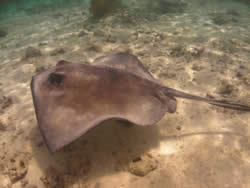 Very little is known about stingray ecology or the ecological functions stingrays perform in coral reef ecosystems. Stingrays are known to be preyed upon by sharks in these ecosystems, but it is unknown how strong the interaction is between these two species, and how declines in shark populations may affect stingray populations. This study will investigate stingrays’ use of space and habitat, and measure the abundance of stingrays and sharks at a coral reef site in Belize. Funding from the Ulysses S. Seal Conservation Grant Program has been used to tag stingrays with equipment that allows them to be tracked as they move through their habitat. Staff champion for this project is Allan Maguire, supervisor of Aquariums & Life Support.
Prairie chickens and conservation education, Minnesota
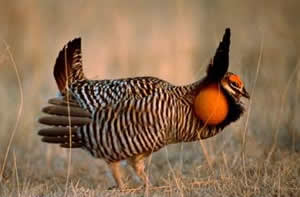 The greater prairie chicken (Tympanuchus cupido) is found in prairie habitat in the Midwestern states of the U.S. Conversion of prairie habitat to agricultural lands has forced the prairie chicken to adapt to agricultural areas. Efforts to improve prairie habitat for this and other species have included controlled burns (which promotes growth of new vegeation), and creating preserves to protect prairie habitat. This species’ population numbers continue to decline and it is listed as “special concern” in Minnesota.
Following the breeding and fledging season of greater prairie chickens, an education program was developed for 4th and 5th grades in schools near the Detroit Lakes Wetland ManagementDistrict. The curriculum materials and access to live video of prairie chickens will be used to educate young people about the importance of prairies and prairie conservation efforts. The Ulysses S. Seal Conservation Grant Program funded this project by purchasing a computer server for a field video camera. This project was championed by David Schmidt, Development Associate at the MN Zoo.
Lemurs: conservation research, Madagascar
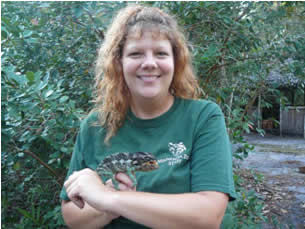 By Cathy Schlegel
As my plane started to descend over Madagascar, I was so thrilled to think that there were lemurs in the forests—and that I was going to get to see them! When I finally did see one, on my first day in the forest, I actually had tears in my eyes. I had never seen such an amazing sight. That same scene played out almost every day (sometimes several times daily) during my trip. Getting to walk out into the forest and just find lemurs eating, resting, moving around in the trees, and doing everything else that they do was incredible! Each time we saw a lemur, we recorded data, documented GPS locations, and recorded habitat information and behavioral data of that animal. We also looked for other animals including frogs, lizards, geckos, chameleons and snakes to name a few. Upon spotting these animals, we also recorded their locations and what type of habitat they were found in (stream, log, leaf litter, etc.). Another part of my conservation trip included making lesson plans for the local school children that lived in the village. My team taught them about why different animals need to live in different types of habitats. In order to help the adults in the village use less wood when cooking over an open fire, which was necessary to bring down the high levels of smoke, we built clay stoves for them to contain the heat. Some of my most interesting observations during the trip were found at the outhouse. There was no electricity or running water in camp, and the “loo” was down a grassy path behind the trees. It seemed like each day I found something new there: a scorpion eating a cockroach, geckos, moths, butterflies, frogs—and a snake. This experience taught me to take a camera with me wherever I went—and I do mean wherever. My trip to Madagascar was one of the most memorable things I have ever done. I am very lucky to have been able to travel to such an amazing country and help out some of the world’s most endangered primates
Parrots: Conservation of yellow-headed Amazon parrots in Belize
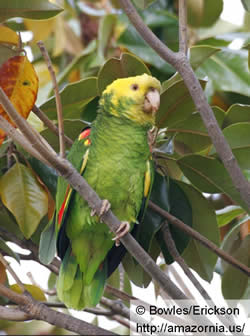 The yellow-headed Amazon parrot (Amazona oratrix) is found in riparian and evergreen forests in Belize, mangrove swamps in Guatemala, and throughout coastal Mexico. Its wild population size has declined 90%, from 70,000 to 7,000, in the past two decades alone. Yellow-headed Amazon parrots are highly sought out as pets because of their ability to mimic sounds and voices. Most of the trade in these animals occurs within Belize. The Programme for Belize (PFB) has implemented a Yellow-Headed Parrot Recovery Programme, which includes extra protection of nesting sites during the breeding months of March to July and a public awareness program to reduce the demand for these parrots as pets. Funding from the Ulysses S. Seal Conservation Grant Program will help support a part-time park ranger to work on nest protection and community awareness, and will support the costs of printing educational materials. Staff champion for this project, Melanie Sorensen, will also travel to Belize to participate in this project, as part of her involvement with the Emerging Wildlife Conservation Leaders program.

Zebras: Conservation of Hartmann’s mountain zebras, Namibia
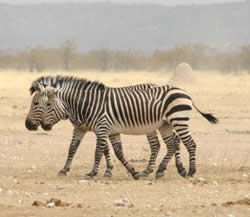 Hartmann’s mountain zebras (Equus zebra hartmannae) are a lesser known zebra subspecies primarily inhabiting dry and mountainous regions of Namibia. Their conservation status is considered “vulnerable” due to their small population size (approximately 9,000 mature individuals) and possible overharvesting. Very little is known about this animal’s seasonal movements or population trends, or whether individuals are able to move among scattered populations. This project, coordinated by Minnesota Zoo conservation biologists, will combine field and laboratory work to better understand Hartmann’s mountain zebras in northwestern Namibia, and identify areas that are critical to their survival. Funding from the Ulysses S. Seal Conservation Grant Program will support genetic analysis of samples collected from mountain zebras throughout northwestern Namibia. Staff champions and participants in this project are Jeff Muntifering and Tara Harris, conservation biologists.
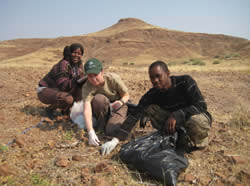
Mountain zebra dung collection
Primates: Wildlife patrolling and monitoring on Bioko Island, Equatorial Guinea
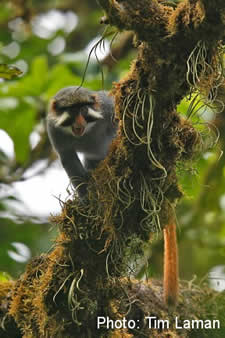 Bioko Island is a small island (2000 km2) twenty miles off the coast of Cameroon in West Africa. It is home to the capital city of Equatorial Guinea, 150,000 people, and some of the most endangered animals on Earth. Threatened primates include: Pennant’s red colobus monkey (Procolobus pennanti pennanti: designated by IUCN’s Primate Specialist Group as one of the 25 most endangered primates in the world), the Bioko black colobus monkey (Colobus satanus satanus), Stampfli’s greater spot-nosed guenon (Cercopithecus nictitans stampflii), Preuss’ guenon (Cercopithecus preussi), Bioko red-eared guenon (Cercopithecus erythrotis erythrotis), crowned guenon (Cercopithecus pogonias pogonias), and the drill (Mandrillus leucophaeus). The island’s southern beaches are also nesting sites for four species of endangered sea turtles: the leatherback (Dermochelys coriacea), the hawksbill (Eretmochelys imbricate), the Atlantic green (Chelonia mydas), and the olive ridley (Lepidochelys olivacea).
In the 1980’s, the capital city of Malabo at the northern end of Bioko became home to a commercial bushmeat market, selling monkeys, duikers, sea turtles, monitor lizards, and other large animals. Since then, wildlife has largely disappeared from the northern half of the island. At the island’s southern end, the Gran Caldera – a hollowed out volcanic crater, shields many animals from hunters with its steep gorges. As bushmeat supply decreases, however, and prices increase, hunters are making riskier and longer treks into the southern forests.
This project, run by the Bioko Biodiversity Protection Program, coordinates seven wildlife patrolling and monitoring teams in an effort to protect the island’s remaining wildlife and keep commercial bushmeat hunters out of protected areas. In 2008 and 2009, the Minnesota Zoo provided funding to help keep these patrols running. Staff champion for this project is Tara Harris, Conservation Biologist.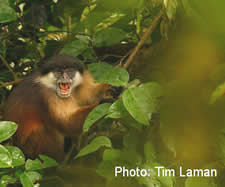
Penguins: African penguin research, South Africa
Camels: Bactrian camel ecology and conservation, Mongolia
Parrots: Conservation of Yellow-headed Amazon parrots, Belize
Bobcats: Tracking and research, USA Minnesota
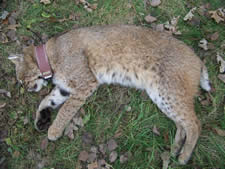 The bobcat (Lynx rufus) may be the only member of the cat family to have a permanent breeding population in the state of Minnesota. In the past, bobcats were distributed in the southern part of the state, but moved northward in the 1930s due to heavy persecution, conversion of southern prairies to agriculture, and habitat changes in the north. This project by a University of Minnesota graduate student will attempt to understand why bobcats are currently found only in the northern half of Minnesota and have failed to recolonize the southern habitats. It will use GPS collars to obtain data about the movements of reproductive females and help understand the factors affecting bobcat distributions and ranging behavior. For more information and updates on this project, go to: www.bobcatproject.info. Ron Tilson, Conservation Director at Minnesota Zoo, championed this project in 2008 and 2009.
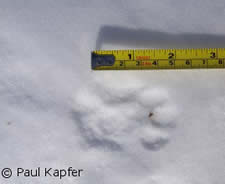
Canada Lynx: Tracking and research in the Great Lakes, USA
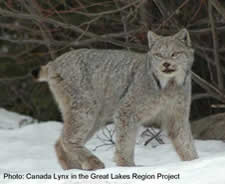 The Canada lynx (Lynx canadensis) is native to Minnesota and was once relatively abundant in this area. After a long period of decline, however, this species was classified as “threatened” in 2000 by the U.S. Fish and Wildlife Service.
Because Canada lynx are typically nocturnal, solitary, and wary of people, it is difficult to study them in the wild. Researchers from the Natural Resources Research Institute at the University of Minnesota Duluth have been using innovative methods to track and study lynx in the Great Lakes region of Minnesota. Specifically, they have been investigating lynx distribution, habitat use, abundance, and persistence. To better understand these issues, they have outfitted numerous lynx with radio telemetry and GPS collars. The GPS collars, in particular, allow researchers to remotely obtain important information about lynx ranging behavior and habitat use, activity levels and ambient temperatures. Funding from Minnesota Zoo’s Ulysses S. Seal Conservation Grant Program in 2007, 2008, and 2009 has helped cover the costs of radio collars, field equipment, and surveys. This project was championed by Tom Ness, Tropics Mammals Supervisor at Minnesota Zoo.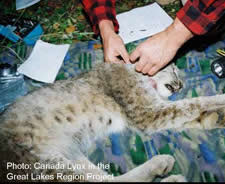
Carnivores: Conservation and research, Malaysia
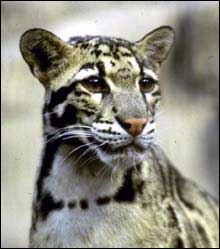 Many carnivores are under severe threat from permanent loss of suitable habitat as well as direct persecution, making their protection a top conservation priority. This study is examining how selective logging and differences in forest composition affect the distribution of felids (cats) and viverrids (e.g., civets, binturong) in Sabah, Malaysia. An extensive network of camera traps as well as daily and night transect surveys will be used to gain information about the presence and abundance of these carnivores in four different study sites. This information will be used to develop conservation strategies for carnivores in Malaysia. This project received funding from the Ulysses S. Seal Conservation Grant Program in 2007 and 2009. Staff champion is Maria Reedstrom, Tropics Mammals zookeeper.
Community Based Conservation: Lewa Wildlife Conservancy, Kenya
Africa remains an area of vast biological wealth and importance, and is home to many endemic endangered and critically endangered species. In many locations, this biological bounty co-exists along side very poor human communities. This combination creates one of the largest global challenges to survival for species, as often this leads to conservation efforts being undermined due to exploitation of natural resources by local communities with few other options and little understanding of the ramifications.
One area that has addressed these issues and now stands as a global model for successful community based conservation is Lewa Wildlife Conservancy in Kenya. In late January, Adam Keniger, a Tropical and African Animal Keeper, participated in a Ulysses S. Seal Grant Program project in the Lewa region. He assisted and observed the Conservancy’s multifaceted approach to community support, participated in the tracking of lions in an ongoing predator-prey study, and collected firsthand stories, testimonials and photographs of people who live among the animals in the Lewa region. This project goes to the heart of the Minnesota Zoo’s conservation goals – it connects people, animals and the natural world.
In an unstable region with an impoverished population, Lewa has demonstrated that not only is conservation success possible, but it can indeed positively impact the lives of people in an entire region in a massive way. Clean water, safe livelihoods, effective and subsidized education, microcredit programs for women, and co-operative grazing ventures are among the myriad of benefits that communities reap from the success of conservation initiatives by Lewa. The Conservancy is home to five communities of people and more than 500 species of wildlife including the largest remaining population of critically endangered Grevy’s Zebra on earth, a significant number of critically endangered Black Rhino and more than 170 other IUCN Red List at-risk species.
Crocodiles: Recovery of dwarf and slender-snouted crocodiles, West Africa
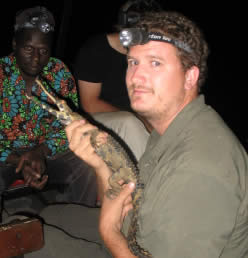
Researcher, Matthew Shirley, holding a slender-snouted crocodile
The African dwarf (Osteolaemus tetraspis) and slender-snouted (Mecistops cataphractus) crocodiles are considered the least known crocodilians in the world. They often occur in the same places, preferring forested rivers and wetlands throughout the Upper Guinea and Congo Basin forests of West and Central Africa. Both species have been highly susceptible to deforestation and illegal harvest over the past century and, as a result, there have been large-scale local and regional extinctions. In preparation for a potential reintroduction project, a research group is conducting surveys and habitat assessments in Senegal and Gambia. The Minnesota Zoo staff champions for this project are Matt McLaughlin, Life Support Systems Coordinator, and Becky Heller, Zookeeper.
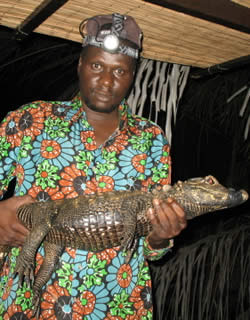
Gambian Crocodile Team Director, Mawdo Jallow, holding an African dwarf crocodile
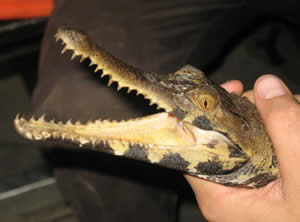
Slender-snouted crocodile
Fishing Cat: Survey and Conservation Project, Thailand
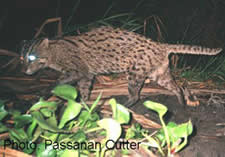 The fishing cat (Prionailurus viverrinus) is a secretive, Asian cat found near marshes and swamps of southern and southeastern Asia. It is a habitat specialist, and wetland habitat loss is considered its primary conservation threat. Relatively little natural history information exists for the fishing cat and its status in the wild is unclear, especially in Southeast Asia. Limited evidence, thus far, suggests that fishing cat populations are declining but further work is necessary to evaluate the cat’s status.
Current work in Thale Noi Non-Hunting Area, Pattalung Province, Thailand seeks to document and safeguard wild populations of fishing cats. Sign recognition and camera trapping techniques have been used to carry out focused surveys for fishing cat occurrence. The nature and extent of threats to the species are also being compiled, and the project is engaging residents and conservation staff in coordinated conservation measures.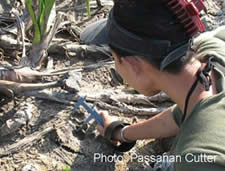
This project will build upon work carried out between 2003-2007, to document the occurrence of fishing cats in a limited number of sites in Thailand. Previous work resulted in the detection (via photo-trap) of a fishing cat at a single site: Thale Noi Non-hunting Area in Southern Thailand. A detailed ecological investigation of fishing cats based on radio telemetry and camera trapping methods will be carried out at Thale Noi.
The Ulysses S. Seal Conservation Grant Program provided funding for this project in 2007 and 2009, to help purchase camera traps, film, and telemetry equipment. Staff champions are Maria Reedstrom and Fred Swengel, Tropics Zookeepers.
Great apes: Western Cameroon Great Apes Programme
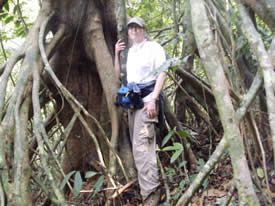 Southwest Cameroon is home to the critically endangered Cross River Gorilla (Gorilla gorilla diehli) and the Nigeria-Cameroon chimpanzee (Pan troglodytes vellerosus), two of the most vulnerable African great apes. Threats to these apes’ survival include agricultural encroachment, commercial logging, habitat and population fragmentation, and the bushmeat trade. The main goal of the Western Cameroon Great Apes Programme (WCGAP) is to develop participatory biodiversity management strategies in order to protect and conserve these primates. In 2009, the Ulysses S. Seal Conservation Grant Program provided funding for Jen Warg, Interpretive Naturalist at the Minnesota Zoo, to travel to Cameroon to participate in this conservation program’s primate surveys and community education programs.

As I deboarded the plane, the humidity was overwhelming, but not as overbearing as the self-appointed baggage handlers at the airport! After the chaos of customs, I was relieved that the impending riot I had imagined was brewing outside, was in fact a sudden outburst of yelling and running due to Cameroon’s Indomitable Lions scoring in a semi-final soccer game.
Unfortunately, no one had arrived to meet me at the airport after two hours, so I relied on the kindness of a stranger who spoke enough English to assist me in getting to a nearby hotel. Although I was off to a bumpy start, nothing could have compared to the 8 hour drive to the village of Bechati. The road was unforgiving; riddled with potholes for the first half of the trip, unpaved the second half…Three in the front & four of us in the back of a pickup truck that got stuck in a rut and temporarily broke down along the way.
The terracotta clay of the road against the vibrant greens was breathtaking. As we drove through several other villages, we were greeted with enthusiastic pleas for sweets. “White men” in the village tend to attract a lot of attention; so by the time we had arrived, a small contingent of curious children had congregated outside of our sleeping quarters. Keeping their distance, they were soon joined by several other onlookers. Although the national languages of Cameroon are French and English, there are over 250 distinct native languages, which can not be understood from one village to the next. Since they were mainly younger children, who hadn’t yet attended school or had only just begun to learn English, there was a language barrier. Consequently, we relied on the universal language of song, dance and games (& candy!) in order to communicate with one another!
Once we arrived at base camp, we pitched our tents & settled in for the evening. Most likely, the chimps & gorillas were preparing their nests for a good night’s sleep as well. After breakfast, we began our climb up the steep slopes of the mountainside, which proved to be quite a challenge; however, despite the rugged terrain, we were able to ascend several hundred feet above sea level. Our field guide discovered the faint tracks of chimps, which we followed to an area where there had been apparent activity, a short distance from the nesting site of at least nine chimpanzees. These nests could be distinguished from the loan gorilla nest we came upon the following day by their smaller size, and because they were high in the trees as opposed to being lower or on the ground. The gorilla tracks could be easily identified by the distinctive imprint of the ape’s knuckles.
We had been informed that there would be little chance of seeing the apes in the wild, due to the fact that they are so rare and elusive, and prefer dense forest. Because it was also the dry season, the leaves crunching beneath our feet made it impossible to sneak up on anything. Apparently, we did come close as we encountered presumably the same group of nine chimps’ nests in a different location, two days later. On this occasion, we could also hear their vocalizations in the distance, and again later that evening, perhaps as they were constructing their nightly nests.
From 2004-2007, systematic transect methods were employed to assess the distribution, threats and opportunities for the conservation of great apes in the border region of Nigeria and Cameroon. Recent studies have concluded that fewer than 250-300 Cross River Gorillas and less than 3000 Nigeria-Cameroon Chimpanzees remain. The Environment and Rural Development Foundation (ERuDeF) has partnered with the African Conservation Foundation to implement the Western Cameroon Great Apes Program in an effort to establish community wildlife reserves to protect the ecological and genetic connectivity between great ape populations. Current threats to their survival include, agricultural encroachment; commercial logging, habitat and great ape fragmentation, and primarily hunting, trapping and the illegal trade of bush meat.
Our expedition focused on conducting great ape surveys and collecting census data, as well as raising awareness through community education. In order to survey an area, we conducted random searches while recording any observations, nests, feeding signs, habitat and tree species, elevation, GPS coordinates, and other relevant information. The fearless leaders of our surveying team were a field guide and three field workers from the ERuDeF office. Jacob, our field guide, is a converted hunter, as are several of the current field guides working in cooperation with the ERuDeF staff. One former local hunter stated that in the past he had successfully killed many gorillas and chimps that were crop raiding on his land. He continued, “Now that I know how few are left, I want to be a ranger and work hard to get them back.” We also encountered a man with some of his family members who had come into the forest to harvest plantains or palm oil. Although unprovoked, he adamantly defended his responsibility to support his 8 children and his ailing elderly mother, as well as their dependence on the forest for survival. This brief interaction only reinforced the fact that implementing alternative livelihood strategies, in addition to incorporating sustainable forest management practices, is critical to the success of this program.
Therefore, community education and raising awareness are key components of this project. Consequently, ERuDeF staff have conducted community meetings, video sessions and art contests, and are in the process of developing teacher workshops and curriculum for local schools. I had the opportunity to visit a Bechati middle school and speak about the role of zoos in conservation. Affecting attitudes toward great apes and encouraging empathetic relationships between children and wildlife is a prerequisite to co-existence and the protection of the apes and their habitat. Being immersed in the indigenous communities of the highland rainforest, including meeting and interacting with the local chief, teachers & principal, and children of the village, left a lasting impression and was truly an unexpected highlight of my experience in Cameroon.
Hawaiian honeycreepers: Reintroduction of the palila on Mauna Kea, Hawaii Island, USA
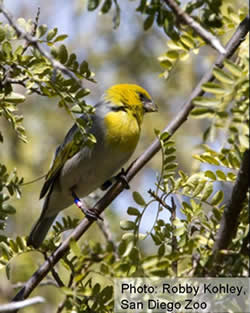 As humans arrived on the Hawaiian Islands, they brought with them new threats – predators, disease, habitat destruction, and overexploitation. Having evolved in the absence of these pressures, many of Hawaii’s forest birds have experienced dramatic declines. Since human colonization, at least 21 species of Hawaii’s endemic birds have gone extinct, another 26 species are listed by BirdLife International as currently facing extinction, and most are dependent on intensive conservation measures. The Hawaii Endangered Bird Conservation Program is working to breed and release endangered birds, such as the palila, a Hawaiian honeycreeper. Captive-reared palila will be released on Mauna Kea from aviaries that researchers established in the mamane forest 3 years ago. The Ulysses S. Seal Conservation Grant Program provided funding for helicopter transport of birds, supplies, and personnel to the reintroduction site. Staff champion for this project is Kelly Lessard, Public Relations Manager.
Japanese macaques: Field surveys, Japan
The Japanese macaque, or snow monkey (Macaca fuscata), is found only in Japan and is listed as a threatened species by the US Fish and Wildlife Service. The Field Research Center (FRC) of Japan was established to preserve major natural habitats of Japanese macaques, study the ecology of these cold-adapted primates, and manage human-monkey conflict arising from crop raiding. This project, coordinated by the FRC, will conduct field surveys of the northernmost populations of Japanese macaques. The data will be used to assess the distribution, population size, and population trend for this species. Staff champions for this project are Christine Ness, Education Department, and Tom Ness, Tropics Supervisor.
Macaws: Tambopata Macaw Project, Peru
By Kamarie Livingston
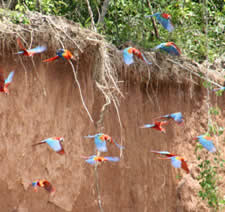
The southeastern area of Peru is often called the “biodiversity capital of the world” and rightly so. The rainforest at the base of the Andes mountains is home to the start of the Tambopata river, one of the sources of the Amazon river, and is also home to record numbers of birds (over 500 different species), frogs and butterflies. The rainforest itself is also quite diverse with more than 200 species of trees per hectare.
The Tambopata Research Center is located in this area, and in January of 2009 I was fort
unate to be one of fourteen Earthwatch volunteers helping to collect important data for the Tambopata Macaw Project. One of the main objectives of the project is to record behavior of adult macaws (mainly scarlet macaws, but also red-and-green macaws) at their nesting boxes when chicks are in the nest. The researchers are hoping to better understand the factors involved in how macaw parents raise their chicks and why some chicks survive and others do not. The volunteers worked in pairs in six hour shifts everyday at various nests located within about an hours’ walk from the research center. Many of the nests also had remote cameras installed to be able to observe the behavior of the chicks within the nest itself.
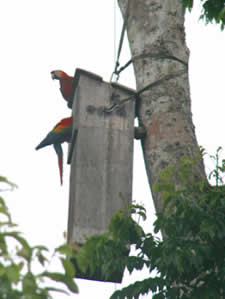 The other main project that the volunteers were involved in was daily recording of the numbers of approximately 15 parrot species that frequent the Tambopata clay lick, one of the largest clay licks in the world located about 15 minutes from the research center. Blue-and-yellow macaws, red-and-green macaws, scarlet macaws, chesnut-fronted macaws, and many other parrot species fly to the lick each day to eat the clay. This phenomenon has been studied for many years in an attempt to understand what the birds are gaining from ingesting the clay.
Many of the largest macaw species are endangered and more parrot species are one the edge of endangered status in the very near future. These birds reproduce slowly in the wild and also face loss of habitat, pressure from competing species, poaching for the pet trade and changes in climate. By trying to better understand the behaviors of these wild parrots in their natural habitat, the Tambopata Macaw Project is hoping to be able to make recommendations to the local and national governments to help protect the birds themselves and the resources they require to maintain healthy populations well into the future.
I was fortunate to be able to be an active participant in this long-term, on-going study that has increased the knowledge of these incredible birds and their behaviors tremendously over the last twenty years. Thanks to the Minnesota Zoo, Ulysses S. Seal Conservation Grant, Earthwatch, and the Tambopata Macaw Project for all their efforts in this conservation program.
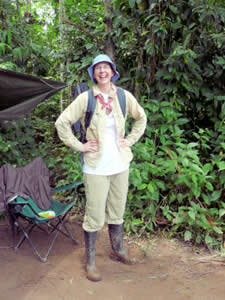
Moose: Radio collaring moose in Voyageurs National Park, USA (Minnesota)
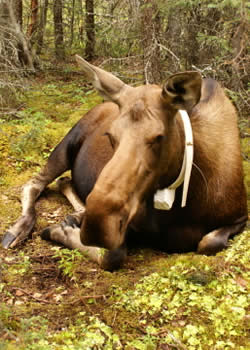 Moose (Alces alces) are an important part of boreal forest ecosystems and occur in Minnesota at the southern limit of their North American range. In less than 20 years, the northwestern Minnesota moose population declined from over 4,000 to less than 100. Biological data indicates the northeastern population, with over 7,000 moose, may be at the start of a similar decline. Researchers at the University of Minnesota Duluth’s Natural Resource Research Institute are studying moose in Voyageurs National Park, to inform management plans for this species. Because moose are easily heat-stressed, one aspect of this project will investigate moose responses to high summer and winter temperatures. Moose will be outfitted with collars that will provide data on location, activity, and resource use. The Ulysses S. Seal Conservation Grant Program provided funding in 2009 for the purchase of a GPS collar. Staff champions for this project are Julie Ketterling, Farm Programs, and Tom Ness, Tropics/MN Mammals Supervisor.
Reforestation: Habitat restoration on Costa Rica’s Pacific slope
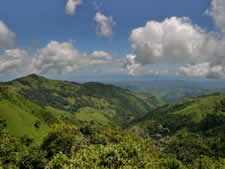 Although Costa Rica is well known among the conservation community for its exemplary system of national parks (>1/3 of the country is under some level of protection), the country’s Pacific slope has been severely deforested and altered, leaving some of the region’s most diverse habitats and vulnerable organisms seriously threatened.
This project will reforest an area on the Monteverde region’s Pacific slope. This region has a high level of biodiversity, with over 500 species of orchids, 3000 species of vascular plants, 126 species of mammals, 26 species of amphibians, 96 species of reptiles, 426 species of birds, and thousands of insect species. Monteverde is also the reproductive area of many threatened bird species.
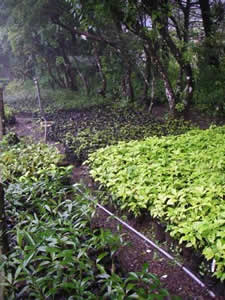
Thus far, this reforestation project has provided enough trees (>63,000) to restore more than 300 hectares of pasture to native species forest. It has enhanced over 300 hectares of habitat with plantings, including habitat in some of the existing protected areas. The restored areas are forming a biological corridor to connect the famous Monteverde Reserve complex (1450 m on Pacific slope to 1850m and down to 400 m on the Atlantic slope) to another protected area called Cuenca de Abangares that extends to 400 m in elevation on the Pacific slope.
In 2008, the Minnesota Zoo provided funds to cover one year of bags, shovels, fertilizer and equipment for this reforestation project. Melanie Sorensen, Public Programs Interpretive Naturalist, is the staff champion for this project.
In 2008, Melanie also led a group of eight teenagers on an educational field study to Costa Rica to learn more about cloud forest conservation and the reforestation project. The youth practiced conservation first-hand, spending an entire day filling bags of soil and planting trees to help the reforestation project near Monteverde. This activity accomplished the mission of the Zoo by connecting people, animals and the natural world. As summed up by trip participant Andrew Haertzen, “I believe that wildlife conservation is more than just educating others, but requires action by those who have been educated.”
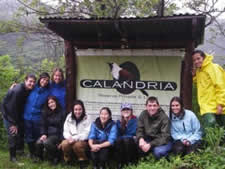
Population monitoring and conservation of Malayan tapir, Malaysia
Tapirs are large browsing mammals that are native to forested areas of South America, Central America, and Southeast Asia. The Malayan tapir (Tapirus indicus) is the only living species of tapir found in Southeast Asia, and is one of the least-studied large mammals in this region of the world. This endangered species plays an important role as a seed disperser but is threatened by habitat destruction and accidental trapping in snares. This project will monitor Malayan tapirs in ten conservation areas in West Sumatra, Indonesia, to understand how different management strategies and levels of forest coverage may affect tapir populations. The Ulysses S. Seal Conservation Grant Program provided funds to cover field work and camera traps for this project. Becky Heller, Tropics Zookeeper, is the staff champion for this project.
Butterflies: Big Stone Wildlife Refuge butterfly survey, USA (Minnesota)
Zebras: Conservation of Hartmann’s mountain zebras, Namibia
Snakes: Population study of Eastern Massasauga Rattlesnakes, USA (Michigan)
Stingray: Stingray ecology and movement study, Belize
Blakiston’s Fish Owl: Ecological Research, Russia
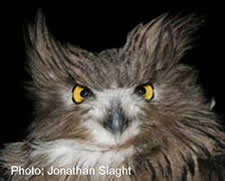 Blakiston’s fish owl (Ketupa blakistoni) is a secretive, non-migratory endangered species. It is endemic to northeast Asia, and is one of the largest owls on earth. Based on the limited available literature, there is strong evidence that Blakiston’s fish owls are associated with extremely diverse old-growth riparian forests, and dependent on healthy populations of riverine fish. Similarly to spotted owls in North America, Blakiston’s fish owls are potentially in direct conflict with logging because old-growth forests that fish owls appear to require are also highly valued for lumber and other natural resources.
This project will conduct intensive ecological studies of Blackiston’s fish owls in Primorye, Russia, to determine nest site requirements, habitat requirements, home range size and characteristics, food habits, nesting success and other population parameters. Adequate data collection will rely on capturing and outfitting owls with GPS transmitters, and then conducting intensive, year-round monitoring of these individuals. In addition to information about fish owl habitat use, data on other vertebrate species living in fish owl habitat will also be gathered in order to strengthen the species’ role as a conservation umbrella.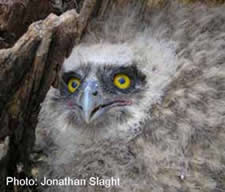
In 2007, the Ulysses S. Seal Conservation Grant Program provided funding to this project for the purchase of GPS collars. Current staff champion for this project is Melissa Babich, interpretive naturalist/bird trainer.
Brown Bear: Ecology and Conservation, Kamchatka Peninsula, Russia
The Kamchatka peninsula in the Russian Far East is home to some of the world’s largest brown bears (Ursus arctos, a.k.a., “grizzlies”), as well as many other endangered and threatened species. The peninsula is increasingly under threat from resource exploitation and human incursion. Bear and salmon poaching is increasingly common and protected areas are poorly funded. Minnesota Zoo is helping fund efforts by the Wildlife Conservation Society to census and monitor the Kamchatka bear population and research bear ecology. These data will be important for developing effective management strategies for this unique wilderness area. It is also hoped that bear research and conservation will draw attention to the most critical aspects of biodiversity conservation in this region. Staff champion for this project is Christine McKnight, Animal Enrichment Coordinator.
Brown bear: Community program, USA Wyoming
Areas near Yellowstone National Park are home to both people and grizzly bears, making human/wildlife conflict inevitable. Encounters between people and grizzlies are becoming increasingly common as people move into these areas. Conflict prevention is a vital part of bear conservation and management.
The North Fork Bear Wise Group attempts to minimize human-bear conflicts through effective attractant management, education and outreach. They work to maximize human safety in the North and South Fork of the Shoshone River where human/bear conflicts are endemic, minimize human/bear conflicts caused by improper storage of unnatural attractants, and minimize human-caused bear mortalities. They are working to achieve these goals by (1) minimizing and properly managing unnatural bear attractants; (2) employing bear-resistant waste management systems; and (3), employing a public outreach program to reduce knowledge gaps about bears and conflicts. Melissa Lindsay of the Minnesota Zoo Foundation championed this conservation and education project.
Cloud forest birds: Banding and surveying, Ecuador
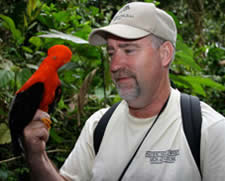 By Steve Estebo, Zoologist at Minnesota Zoo
Although Ecuador covers only 1.6% of South America, it is home to more than 50% of the bird species on the continent. The moist forests of western Ecuador are some of the most threatened ecosystems in the world due to deforestation and population growth.
The conservation-research objective of this Life Net project is to monitor bird populations at Tangaras Reserve and the 50,000 hectare Mindo-Nambillo Protective Forest. We studied aggregations of birds in interior cloud forest and compared them with forest edges to determine which species avoid edges and fragments created by deforestation. Results are used for science, local programs in ecotourism, and for environmental education. We also studied the behavior of Andean Cock of the Rock at a display arena called a “lek”.
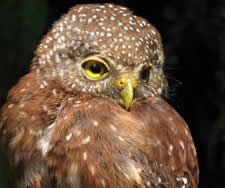 Data about the composition of bird communities in different cloud forest habitats are collected by using mist nets, making point counts along trails, and making bird/plant observations. Life Net staff and volunteers opened mist nets in the morning, checked them every 20 to 30 minutes, removed birds from the nets and carried them to the banding station. Extraction of birds from the nets is a skill that takes time to learn. At the banding station each bird is weighed, identified to species, sexed, aged, and photographed. A set of standard body measurements was taken including the length of the wing, tarsus, culmen, and tail. A blood sample is taken from selected species and DNA will be extracted to test hypotheses about gene flow from the Andes. Each bird’s body fat, reproductive status, and molt are also recorded on a data sheet.
Las Tangaras Reserva is home to a historic Andean Cock-of-the-Rock lek, which is a dancing ground for male Cock-of-the-Rocks to display to females for the purpose of breeding. The biology of these leks is still unknown. To learn more about how this lek functions, we mist-netted birds at the lek, color banded them and released them back into the lek. This allowed us to identify individual birds in the lek and study their daily behavior patterns. Future plans are to trap birds and attach satellite GPS transmitters on the birds in an attempt to determine their daily flight patterns and help determine where they nest in relation to the location of the leks.
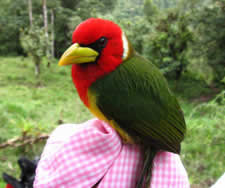 The Ecuador Cloud Forest Birds project is in its 4th year at Las Tangaras Reserve. This project is affiliated with CECIA, Ecuador’s major bird conservation organization. In addition to contributing to tropical ecology, the work will continue to inform regional conservation organizations such as CECIA, Fundación Natura, BirdLife International and National agencies (INEFAN) and provide information to local bird guides and naturalists.
Conservation education: “Club P.A.N. (People, Animals, Nature)”, Ivory Coast
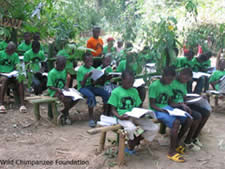 Taï National Park and the neighboring Reserve N’Zo represent the largest intact and protected forest block in West Africa. The national park harbors more than 1400 species of vascular plants, 11 primate species, including the Western chimpanzee (Pan troglodytes verus), the West African forest leopard (Panthera pardus leopardus) and the pygmy hippo (Cheoropsis liberensis). Rising population densities surrounding the park and resulting increases in bushmeat hunting threaten this region’s biodiversity.
Club P.A.N. is a conservation education program operating in ten schools around the Taï National Park. Ivorians working for the project teach the school children about local flora and fauna, so that they know about and take pride in the biodiversity that exists in their region. The project also uses education tools to discourage the bushmeat trade and promote conservation activities in the area. Updates on this project can be found at: www.wildchimps.org/wcf/english/pan/membersand clubpan.blogspot.com. Staff champion for this project is Dawn Devens, Education Department.
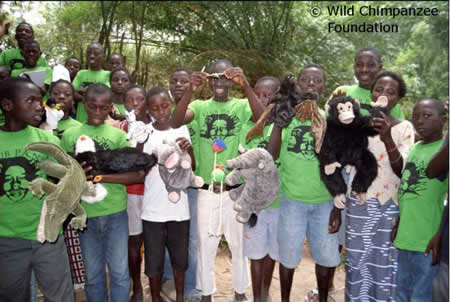
Hairy-nosed otter: Surveys and conservation, Vietnam
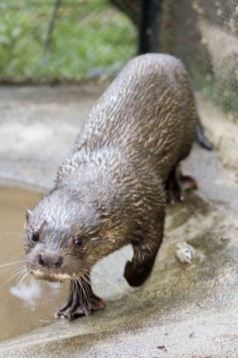 Hairy-nosed otters (Lutra sumatrana) are the rarest and least well-known of the Asian otters. In the past, this species occurred in Vietnam, Cambodia, Thailand, Malaysia and Indonesia. Due to a lack of data, its current distribution and conservation status is uncertain. However, it is thought to be extinct in much of its former range.
This project supports hairy-nosed otter surveys in the swamplands of U Minh, Vietnam. Using line transects, night spotting, camera trapping, and surveys with local hunters, researchers have confirmed the existence of hairy-nosed otters at this location and have also found signs of Asian small-clawed otters, large-spotted civets, and fishing cats. This project will continue to collect baseline data on the distribution and abundance of hairy-nosed otters and other small carnivores. It will also assess the threats these species face using interviews with local hunters and wildlife traders, and surveys of local markets, restaurants, illegal zoos and wildlife farms. Staff champion for this project is Christine McKnight, Animal Enrichment Coordinator.
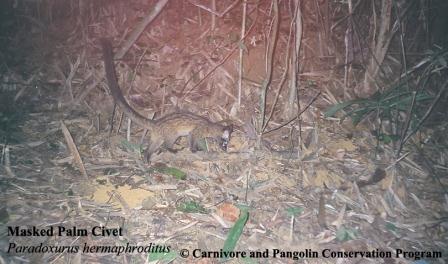
Peregrine Falcon: Monitoring and banding, USA Midwest
Poisoning from DDT and related chemicals had devastating effects on Peregrine falcons (Falco peregrinus) during the 1950’s – 1970’s. Biologists have since been carrying out peregrine recovery programs to restore their populations.
In the Midwest, releases of young peregrine falcon chicks started along the cliffs of the Mississippi River near Kellogg, Minnesota in 1982. In 1985, the recovery project expanded to other urban areas, such as Minneapolis, MN; Chicago, IL; and Milwaukee, WI, and included a total of 13 states and 2 Canadian provinces. Nearly 1300 young captive-bred falcon chicks over 20 years have been released, and as of 2007, over 200 nesting pairs have produced over 450 young in the regional population.
In 1999, the peregrine falcon was de-listed from the Endangered Species list and is currently being monitored for changes in the population that might require re-listing by the U.S. Fish and Wildlife Service. The State of Minnesota is currently considering de-listing the species based on the data of this project and the apparent continued growth in the state’s peregrine population.
Jackie Fallon, with assistance from other zoo staff members, monitors nearly 50 of the 57 known peregrine falcon territories in Minnesota and North Dakota. The process of monitoring and banding peregrine falcons involves 1) identification of all known birds, 2) confirming presence at a new site when reported, 3) monitoring the nest site to determine courtship behavior, number eggs laid, hatch date of chicks, and 4) determining a banding date of any known nestlings. Chicks are banded with both the USFWS federal band as well as the bi-colored regional band that allows identification of birds via spotting scopes. Also, a blood sample is taken for further contaminant studies and genetic work. Lastly, sometimes a feather clipping is also taken for the USFWS contaminant study. Monitoring of the chicks and adults continues past fledging date and into the fall migration season. Part of this project also involves rescue of any injured or uninjured chick during the time period when fledging occurs.
Minnesota Zoo’s Ulysses S. Seal Conservation Grant Program provided funding in both 2005 and 2007 for Jackie to monitor and band peregrine falcons as part of this successful program.
Serengeti giraffes: Surveys and ecological research, Tanzania
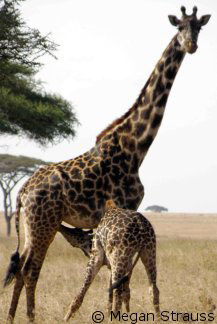 The Serengeti National Park in Tanzania is a UNESCO World Heritage site and is well known for its grassland and savanna animal populations. Less well known is that Serengeti giraffe (Giraffa camelopardalis) populations have seen significant declines, despite predictions that they should be increasing. The giraffe is an important actor in African savanna ecosystems because it is one of only two herbivores that feed on trees above three meters high. A continued decline in giraffes may have serious ecosystem level consequences.
Although giraffes have been classified since 1996 as “lower risk/conservation dependent” by the International Union for Conservation of Nature and Natural Resources (IUCN), the International Giraffe Working Group suggests that giraffe numbers have declined by as much as 30% over the past decade. A recent genetic analysis also suggests that there may be six separate species of giraffe, instead of the single species that is currently recognized. In light of these findings, new status assessments of giraffes are needed.
This study by a University of Minnesota graduate student aims to assess the conservation status of the Serengeti giraffe population, identify the factors regulating the giraffe population, and reevaluate the role of the giraffe in ecosystem dynamics. Tony Fisher, Collections Manager at Minnesota Zoo, championed this project.
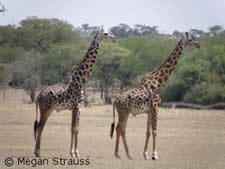
Tapir: 4th International Tapir Symposium, Mexico
The tapir is a large browsing mammal that is related to horses and rhinoceroses. Four species of tapir range throughout forested habitats of Central and South America and Southeast Asia. All are considered vulnerable or endangered. Habitat destruction and hunting are the main threats to these species.
In 2008, Minnesota Zoo provided funding to help cover costs of the 4th International Tapir Symposium in Mexico. This symposium brought together researchers and zoo staff to promote communication and education about tapir ecology, behavior, care, and conservation. Staff champions for this project were Tom Ness, Tropics Supervisor, and Laurie Trechsel, Tropics Zoologist.
White shark: Monitoring and research, USA (Pacific coast)
The white shark (Carcharodon carcharias) is a top predator and forms an important part of ocean ecosystems. Its conservation status is considered “vulnerable” because it is both hunted and accidentally caught in fishing operations, and it has low reproductive rates which make it difficult for populations to rebound. Relatively little is known about white shark reproduction, growth, geographical locations and migrations, or population numbers, making it difficult to formulate conservation management plans. This project will collect data to help resolve these issues. By placing acoustic and satellite-monitored tags on white sharks in the Pacific Ocean basin, researchers will be able to monitor the migrations and life histories of these animals. More information on this project and maps of the sharks’ movements can be found at: topp.org. Staff champion for this project is Becky Duchild, Zookeeper/Aquarist.
Beavers: Disease screening in beavers, Voyageurs National Park, Canada
Canadian lynx: Field census/radio-tracking, Great Lakes Region, USA
Macaques: Japanese macaque field surveys, Japan
Bobcats: Bobcat tracking in Minnesota, USA
Amur Leopard: Reintroduction biodiversity study, Russia
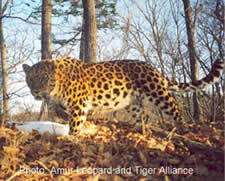 The Amur leopard (Panthera pardus orientalis) is among the most critically endangered of the big cats, with fewer than fifty individuals thought to remain in the wild. Prey species reductions, habitat loss, and conflicts with humans continue to threaten this rare leopard. As is the case for all animals with such small population sizes, Amur leopards are additionally prone to extinction if catastrophic events (e.g., fire) occur, and they are highly susceptible to random demographic (e.g., birth/death rates) variation and inbreeding depression. There are more Amur leopards in captivity (~200) than in the wild, and Minnesota Zoo will proudly feature them in the new exhibit, “Russia’s Grizzly Coast”.
Lasovsky State Nature Reserve in Russia was created in 1935, is large enough to sustain big cat populations (~ 1000 square kilometers), and once contained Amur leopards. It is now a strong candidate for a future leopard reintroduction program. Researchers plan to use camera traps to photograph predator/prey species in the Reserve (including tigers, roe deer, and sika deer) to help determine the viability of Amur leopard reintroduction. Although leopards, if reintroduced, would have to compete for prey with tigers that are also found in the park, it is thought that they should be able to coexist if there is enough prey.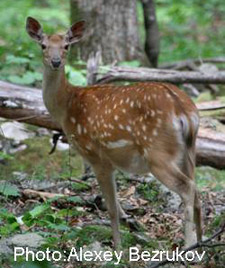
In 2007, the Ulysses S. Seal Conservation Grant Program at Minnesota Zoo provided funding for this project to purchase camera setups, film, and batteries for the biodiversity study. Staff champion for this project was Kelly Lessard.
Argali Sheep and Ibex: Ecological research, Mongolia
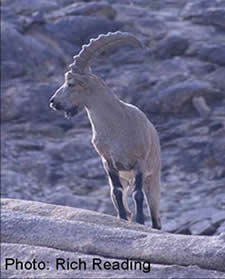 Argali sheep (Ovis ammon) and Siberian ibex (Capra sibrica; a type of wild goat) live in mountainous regions of central Asia – including the rocky desert-steppe environment in Mongolia. Populations of Argali sheep, in particular, are thought to be declining due to poaching, competition with domestic livestock, and other threats. Researchers have initiated a project to understand the ecology of Argali sheep and ibex, with the ultimate goal of developing long-term conservation management plans for these species. Topics under investigation include habitat use, behavioral ecology, reproduction, and mortality.
Amber Dunaway, Northern Trail Zookeeper, received funding in 2007 from the Ulysses S. Seal Conservation Grant Program to cover some of her travel costs for participating in the Wildlife of the Mongolian Steppe conservation project. While in Mongolia she captured and radio collared Argali sheep and Ibex, radio tracked collared animals, collected behavioral data, collected fecal and vegetation samples, surveyed lizards, small mammals, and invertebrates, as well as monitored cinereous vulture nests for nesting success.
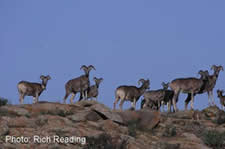
Beavers: Disease Screening, Canada
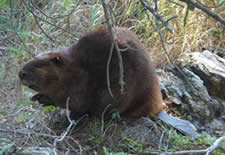 Voyageurs National Park (VNP), in northern Minnesota, supports one of the highest densities of beavers (Castor canadensis) in North America. Beavers have a profound impact on VNP terrestrial and aquatic ecosystems. Their population dynamics and behaviors affect nutrient and methylmercury cycling, nongame fish production, wildfire behavior, forest succession, invasive plant dynamics, habitat creation for other wildlife, and predator-prey dynamics. In recognition of the cultural, ecological, and scientific importance of beavers to Voyageurs National Park, the park initiated a new beaver research and monitoring program in 2004, in collaboration with several universities and other natural resource management agencies.
Among other things, this project investigates the prevalence of diseases and parasites in the beaver population. Tularemia was positively detected in five dead beavers collected in the park in 2007. Much still remains to be learned about the role of beavers in the epidemiology of important emerging diseases.
I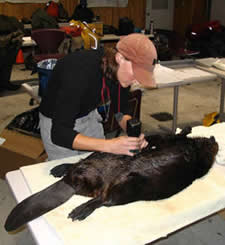 n 2007, Minnesota Zoo’s Ulysses S. Seal Conservation Grant Program provided funding to associate veterinarian Dr. Tiffany Wolf to participate in the VNP beaver research and monitoring program. She collected biological samples from captured beavers to screen for pathogens and to establish baseline health data for the VNP beaver population. Dr. Wolf also surgically implanted intra-abdominal radio transmitters in 30 free-ranging beavers to help monitor beaver movements during the winter. This project is ongoing and Dr. Wolf will continue to participate in it.
Bukhara Deer: Habitat rehabilitation, Tajikistan
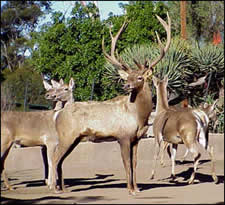 The Bukhara deer (Cervus elaphus bacrianus), also known as the Bactrian Wapiti, occurs in central Asia and is endangered. Habitat loss and poaching, particularly in the 1990’s, led to drastically declining population numbers, and in 1999 it was estimated that only 350-500 deer were left. A World Wide Fund for Nature (WWF) project focusing on species conservation and restoration in model sites has since led to stabilization and population growth. The most recent census showed population growth of up to 1000 deer.
One of the major habitats for Bukhara deer occurs in the Tigrovaja Balka reserve in Tajikistan. As a native floodplain forest, the area of Tigrovaja Balka needs regular floods for normal existence and development. Natural floods are prevented by an artificial regime of water use (system of dams and dikes), so water needs to be given to the forest artificially once a year. To prevent flooding of fields and settlements surrounding the forest area, a system of dykes need to be reconstructed around the forest, and it is necessary to dig a canal from the river around the forest.
The main goals of the Bukhara deer project are 1) to conserve and restore the tugai ecosystem in the Tigrovaja Balka area in Tajikistan, providing a model for sustainable management of freshwater ecosystems in the Amu Darya river basin (including Tajikistan, Uzbekistan and Turkmenistan), and 2) to ensure restoration and sustainable development of the most important native bukhara deer population.
Minnesota Zoo’s Ulysses S. Seal Conservation Grant Program provided funding for this project in 2007 (also 2005) to build canals to help restore flooding cycles to Tigrovaja Balka. Staff champion for this project is Tony Fisher, Collections Manager.
Environmental education, Russia
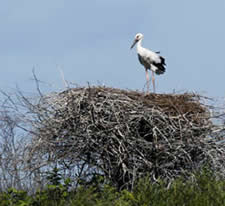 The Russian Far East harbors diverse and spectacular wildlife, including many endangered species. Muraviovka Park, in the Amur Region of Russia, was established in 1996. The park’s wetlands provide excellent habitat for approximately 200 bird species, including more than 20 rare and endangered species. After implementing better management practices and environmental education, crane and stork populations in this area greatly increased. Continuing environmental education programs in this area are needed to ensure the success of this important wildlife area.
The International Crane Foundation has been influential in supporting environmental education in this area. International workshops and summer camps are held at the park, bringing together teachers, students, and nature reserve staff from the Russian Far East and all over the world. The Ulysses S. Seal Conservation Grant Program provided funding in 2007 for Melissa Babich, bird trainer at Minnesota Zoo, to participate in this project. Melissa helped facilitate a two-day teacher workshop focusing on environmental education teaching strategies. She then taught middle-school children at a 9-day environmental education camp at Maraviovka Park, overlooking the floodplains of the Amur River.
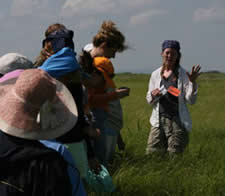
Piping Plover Recovery Project: Recovery project, USA (Michigan)
The Great Lakes Piping Plover (GLPP) is a small shorebird whose breeding populations declined from 500-800 pairs throughout the Great Lakes region to just 11-14 pairs in 1986 due to habitat destruction, nest disruption, hunting and predation numbers. Numbers have now risen to about 60 pairs by 2012 due to greater protections afforded under the U.S. Endangered Species Act and due to intensive breeding efforts at the University of Michigan’s Biological Research (UMBS) station in Pellston, Michigan.
The GLPP Recovery Program seeks to restore and maintain a viable population to the Great Lakes and increase genetic diversity and increase population numbers by salvaging abandoned nests or nests that are in danger of being lost. During the May-August nesting season, zookeepers from across the country work at the UMBS artificially incubating and hand-rearing salvaged eggs and chicks. When the eggs hatch, the chicks are fed mayflies and aquatic invertebrates every 2 hours from sun up to sun down.
The chicks are exposed to “behavioral conditioning” to learn to survive on their own before their release. For example, the chicks are taken to an outside lakefront enclosure daily to encourage natural behavior and decrease the chances of imprinting on humans. The enclosure extends into the water to help the chicks learn to wade and hunt for food. They are also exposed to a pre-recorded tape of an adult’s alarm call when there is danger in the area to learn to react to danger. The chicks are banded and released back to the wild after 28 days of rearing and conditioning, generally back to their nest site for release. If that is not possible they are released in an area with chicks of about the same age.
The Ulysses S. Seal Conservation Grant has supported this program has provided the ability for Janet Long, Animal Health Zoologist at the Minnesota Zoo, to participate in this conservation program in 2005 and 2007. Amy Olsen, Executive Assistant of the Minnesota Zoo Foundation and AZUL coordinator championed another grant, and personally participated in 2012. Read about Amy’s experience on the July 23, 2012 entry of the Zoos Blog.
Rainforest Research and Recovery, Puerto Rico
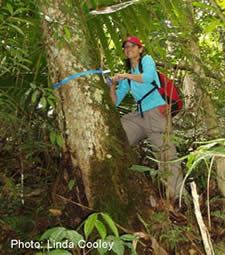 Tropical rainforests are being cut down at alarming rates, adversely affecting biodiversity and local economic sustainability. Researchers in Puerto Rico are testing ways to sustainably harvest rainforest trees by mimicking nature. Trees that die of natural causes often fall, creating gaps in the forest. These gaps can be important for biodiversity by providing microenvironments for different types of species – especially those that need lots of light to grow. Two decades of data from Puerto Rico are being analyzed to figure out how sustainable harvesting might work best – both economically and in terms of protecting the forest. These researchers are also collecting data on the melodious coqui (Eleutherodactylus wightmanae), an endangered nocturnal frog that is found only in the forests of Puerto Rico.
In 2007, Minnesota Zoo’s Ulysses S. Seal Conservation Grant Program provided funding to Kelly Josephson to participate in this project through the Earthwatch Institute. This work involved finding and measuring trees in different research plots, as well as finding and counting coquis.
Wolverine: Tracking and research, USA Alaska
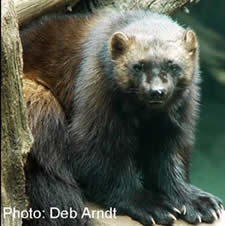 The wolverine (Gulo gulo) is considered a vulnerable species throughout its range. The current status of wolverine populations are not known, due to the elusive nature of these animals. Attempts are being made by various studies, many through the Wolverine Foundation, to not only obtain an accurate population count but also to study how wolverine populations are affected by human influences such as logging, trapping, and resource development.
Researchers are currently attempting to get an accurate count of wolverine populations in southeast Alaska. Their study aims to discover which habitats are preferred by reproductive females and to track the movement of females, breeding males and offspring. They are also investigating whether viable populations are dependent on the survival of reproductive females that can be adversely affected by human disturbance.
This project will use a variety of techniques to help determine wolverine populations in the area, including 1) live trapping, radio collaring, and tracking of individual wolverines, 2) infra-red camera capture and identification of wolverines in the area, 3) possible DNA sampling from hair snares, and 4) aerial tracking. A pilot study showed that twice as many wolverines were identified with the cameras than were caught and collared in the traps, indicating that using many cameras is essential to get an accurate population count.
The Ulysses S. Seal Conservation Grant Program provided funding to this project to purchase camera traps. Staff champions for this project are Deb Arndt, Animal Health Zookeeper and Amanda Ista, Northern Trail Zookeeper.
Asian Wild Horse Recovery
Satellite tracking of Asian horses in Kalameili Reserve, China
Asian wild horses were extinct in the wild by the mid-1970s. The remaining captive population is based on only 14 founders. Reintroduction projects are underway in Mongolia, Kazakhstan, and China. The most significant obstacles to reintroduction are: (a) interbreeding with domestic horses; (b) poaching; (c) poor habitat due to livestock competition; and (d) high winter mortality.
China’s Wild Horse Breeding Center (WHBC) has been developing a captive breeding population of wild horses since the mid-1980s. Several transfers of horses from the U.S., England, and Germany, followed by successful captive breeding, have allowed the herd to grow to more than 100 animals. Twenty-six horses were released in Kalameili Reserve in the Gobi Desert in 2001. Although several horses from the initial release died (after a harsh winter) the remaining population has since reproduced and appears healthy. A second release is planned.
In 2006, the Minnesota Zoo Ulysses S. Seal Conservation Fund provided funds to purchase a GPS satellite radio collar to allow tracking of a horse in collaboration with the Smithsonian National Zoo’s release and tracking project in China. The Minnesota Zoo has imported the two breeding mares, Loretta and Aliana, from the zoo in Köln, Germany. They are the mothers of the two foals born here in 2008.
Takhin Tal, another Mongolian reserve, has also released more than 40 Asian wild horses.
As of 2008, there are some 325 Asian wild horses once again roaming the wild steppes of Asia, thanks to the species-saving efforts of zoos and preservation groups and their captive breeding and reintroduction programs.
Chipangali Cheetah Project
Chipangali Wildlife Trust in Bulawayo, Zimbabwe, was established by Vivian Wilson and his wife Patricia in 1973 to aid in the conservation of a number of native species including cheetahs and leopards. One of Chipangali’s main projects is the capture and translocation of problem cheetahs, leopards, and brown hyenas found killing domestic livestock and the monitoring of their movements after release back to the wild.
Since 2000-2005, Chipangali has rescued 18 cheetahs from farms and ranches in Matabeleland, Western Zimbabwe. To date, all 18 of these cheetahs have been successfully released. All of the translocated animals were recorded by land owners as having killed domestic livestock such as calves, sheep, goats, and domesticated ostriches prior to capture.
Chipangali also assists the National Parks & Wildlife Management Authority with the capture and translocation of problem animals, including the rescue of cheetah and other species from poacher’s snares. Most of the problem cheetahs are held at Chipangali for a time before being released. A release only takes place once sufficient funding for radio-collars and other required equipment has been obtained and a suitable release location has been found so the animals can be followed after release to insure they get a good start and monitor their progress.
|
|
|
Affixing cheetah collar Chipangali Wildlife Trust |
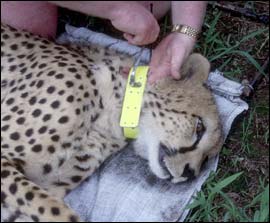
Most of the cheetah released from Chipangali’s care have been: successfully tracked and recorded, sighted on many occasions by park visitors and research staff, successful at killing a variety of prey species, witnessed trying to mate, and successful at avoiding predators like lions and hyenas.
Summary of cheetah releases through Chipangali as of 2005:
- Sentinal Ranch (Limpopo Valley): 29 Jan 2002: 6 adults – all still surviving
- Matobo National Park: 8 March 2002: 2 adults – both still surviving
- Hwange National Park: 31 October 2002: 4 adults – 2 dead, 2 surviving
- Hwange National Park: 2 February 2004: 2 adults – both still surviving
- Hwange National Park: 31 October 2004: 2 adults – both still surviving
- Hwange National Park: Summer 2005: 2 adults
In 2005, the Ulysses S. Seal Conservation fund of the Minnesota Zoo awarded this project $2500 to purchase four capture/transport crates to enable the project to increase the number of animals they are able to rescue. Staff champion for this project is Kelly Lessard, Public and Media Relations Specialist.
Coral Reef
Votua Village Biodiversity Studies and Community Education, Fiji
Melanie Sorenson, Education Interpretive Naturalist at the Minnesota Zoo, spent four weeks in Fiji in January 2007 working with Eco-Corps, a local conservation group, assisting in the development of a snorkeling trail through the village marine protected area, and a reef walk tour. She also worked with local villagers helping record flora and fauna and developed a training book for local guides and tourists and interpretive graphics, pamphlets, and field sheets for these projects.
Eco-Corps is a grass-roots level conservation effort based in Votua Village on the southwest coast of Fiji’s largest island, Viti Levu. Votua consists of approximately 40 families, dependent on subsistence fishing and farming for their livelihood. Eco-Corps mission is to conserve Fiji’s natural and cultural resources through research, education, and assisting the development of sustainable livelihood opportunities in local communities. This program provides information, and training to assist communities in developing and implementing resource management plans and sustainable economic opportunities. The project includes four conservation areas:
| Marine and Terrestrial Biodiversity Survey Votuas’ coral reefs and forests support an incredible diversity of fauna and flora. Eco-Corps is working with local and international scientists to document and describe the diversity of marine and terrestrial fauna and flora around Votua, some of it endemic to Fiji, and some of it undoubtedly new to science. | ||
| Development of Underwater Park To promote non-extractive economic use of village marine resources, Eco-Corps is creating an underwater park and snorkeling trail in Votua. This entails designing the park trails, creating educational materials to accompany them, and training villagers to operate this eco-attraction. | ||
| Community Education and Capacity Building Eco-Corps is organizing and conducting educational programs for the people of Votua and surrounding villages to promote awareness of conservation/development issues and the ecology/natural history of local fauna. Additional programs will train villagers to conduct reef-monitoring and operate local tourist attractions. | ||
| Wastewater Project The wetland project is seeking to find a low-tech, easy maintenance, effective solution for wastewater management for Fijian villages. Nutrient loading on the reef has been a major problem. Resorts have begun upgrading their systems, however villages are in need of more cost-effective viable solutions. | ||
The Minnesota Zoo’s Ulysses S. Seal Conservation Grant Program provided Melanie with $1,000 to cover some of her travel and lodging costs as well as purchase supplies for the interpretive graphics and pamphlets for the eco-tours.
Cotton-top Tamarin: Proyecto Tití
Project Tamarin censusing cotton-top tamarins, Colombia
Proyecto Tití is a multi-disciplinary in situ conservation program that combines field research, education programs and community programs to make the conservation of natural resources economically feasible for local communities in Colombia.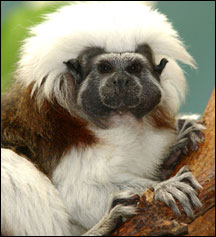
Proyecto Tití (Project Tamarin) is working to establish the first protected area/national park for cotton-top tamarins in northwestern Colombia. To do this a habitat assessment and complete population census is needed. A habitat assessment has been completed and the remaining population of cotton-top tamarins must now be determined. A survey plan has been developed using methods able to count animals that are difficult to visualize in a tropical environment.
Two teams of observers will walk transect lines and play vocalizations of “intruding” animals using a Bose Acoustic Wave Music System which has been shown to not distort the playback vocalizations and to travel the farthest in the dense forest (>200 m). Playback studies are remarkably effective in eliciting territorial responses from cotton-top tamarins making them highly visible and easy to count.
In January 2005, the first phase of the census in the Departments of Bolivar and Atlantico will begin. The goal is to complete the initial census of these areas within six weeks.and census the six other departments within the historic distribution of the cotton-top tamarin throughout the year during the dry season. The goal is to complete the census by the end of 2005. This data combined with the habitat assessment will allow project members to select the most appropriate areas for protection and long-term conservation while providing the first estimate of the current population of cotton-top tamarins in Colombia. This data will also be used to review the IUCN status of cotton-top tamarins and provide a determination of its conservation status.
The Minnesota Zoo’s Ulysses S. Seal Conservation Grant Program awarded “Proyecto Tití (Project Tamarin)” $2300 in 2005 for the purchase of equipment and supplies for their census of the remaining cotton-top tamarin population in its historic range in Colombia. Staff champion for this project is Maria Reedstrom, Tropics Zookeeper.
Photograph courtesy of the Brookfield Zoo.
Environmental Education and Bird Research, Kenya
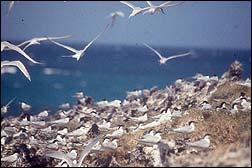 Melanie Sorenson, Minnesota Zoo Education Interpretive Naturalist, was accepted as a volunteer for the A Rocha Kenya (ARK) conservation project. The focus of this project is cross-cultural and community-based with an emphasis on science and research, practical conservation and environmental education. She will be in Kenya September-December of 2006. As the environmental education aspect of her stay, she will be working with schools in Arabuko-Sokoke Forest in Watamu, a village 100km north of Mombasa. She will be helping with guided field trips to national parks, tree planting, conservation festivals, wildlife clubs, teaching environmental conservation in the local schools and conducting teacher training workshops. She will also be writing conservation curriculum on African conservation issues and will present this curriculum to local school children.
The biological portion of her volunteer experience will be in the collection of ornithological data at Mwamba Field Study Center and Bird Observatory. She will be putting up mist nets, bird ringing, removing birds and assisting with note taking and recording of all bird information 2-3 times a week to help in the Center’s bird species conservation efforts. Six globally threatened bird species are found in Watamu, as well as three rare, near-endemic mammals.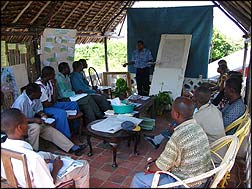
The Ulysses S. Seal Conservation Grant Program awarded Melanie $1496 to help with her travel and lodging expenses while she participates in this vital conservation work.
Photos courtesy AROCHA Kenya.
Golden Lion Tamarin Habitat Protection – Brazil
The main threat to golden lion tamarins (GLT) is loss of habitat. Only 2% of the original forest remains. The largest protected area is the Poço das Antas Biological Reserve. In the surrounding area, there are farming settlements involving 180 poor families. Each of these families is trying to earn its livelihood on a small plot which cannot sustain traditional agriculture. Approximately 50% of these families are using fire to clear annual crops and pesticides, both of which pose a serious threat to the Reserve’s tamarin habitat. If their crops fail, these families may resort to hunting or other destructive activities in the Reserve.
To address this problem, this project has begun an environmental education and extension program to encourage families to farm in ways that will provide income but will not exert pressure on the remaining forest. Agroforestry systems associating agricultural species with species native to the Atlantic Forest are a viable alternative. These systems can maintain good production levels without fire or pesticides and increase GLT habitat by creating forest corridors to connect forest fragments in the settlements with the forest in the neighboring Reserve.
15 families have established agroforestry systems on their land so far. These systems have produced a variety of benefits for the families: foods such as bananas, pineapple, corn, beans, manioc, and papaya to enrich family incomes and enrich the soil through use of various species of beans. Since becoming involved in the project none of the 15 families has used pesticides or fire. This shows that environmental education can lead to long-term stewardship of the forest.
The Minnesota Zoo’s U. S. Seal Conservation Fund awarded this project $2500 in 2004 to provide supplies and support to six more families beginning agroforestry systems on their land. Staff champions for this project are Maria Reedstrom and Fred Swengel, Tropics Zookeepers.
Grevy’s Zebra: Northern Rangelands Endangered Species Program, Kenya
Jambo from Kenya!
Jambo! Or “hello” in Swahili! My adventure to Kenya, Africa, began back in November when the St. Louis Zoo requested volunteers to assist with an ongoing research project coordinated by Earthwatch. The focus was the endangered Grevy’s zebra and with assistance from the Minnesota Zoo, I was able to participate.
Few people realize that there are actually three different species of zebra; plains, mountain and Grevy’s. Plains zebra are very common, but the mountain and Grevy’s are considered endangered. In 2003, a field survey estimated that there are only 1,600-2,000 Grevy’s zebras left in the wild and their range has diminished significantly. Only 0.5% of their range is protected and at this rate of decline, it is estimated that the Grevy’s zebra could be extinct in the wild within 50 years!
In March, I joined zookeepers, conservation biologists, researchers and other volunteers on a journey to Kenya. Our time was split between the Lewa Conservancy, a private conservancy protected from livestock and poachers, and an area near Wamba, where livestock is abundant.
Data collection occupied our days and nights. We collected census data (GPS location, sexes, ages, health), behavioral data (time spent grazing, grooming, walking, vigilant), fresh zebra scat to analyze parasite levels, data on vegetation in the areas they were grazing (type of grass, grass height and grass density), and we spent time at watering holes recording which animals were present, the time of day they drank and how long they drank. Information on both plains and Grevy’s zebras was gathered in hopes that researchers can discover why the plains zebra is doing so well while the Grevy’s continues to decline.
Working near the town of Wamba, things got a little more interesting and difficult. Due to the severe drought and abundant livestock, we spent a lot of time driving around (getting flat tires) and looking for, but not finding much, data to collect. The human-animal conflict is more severe in this area since raising livestock is a way of life for the Samburu people. We also were asked to help with research efforts regarding a recent anthrax outbreak in northern Kenya. We collected data on carcasses which will be used to monitor disease problems in the area. It may sound tedious, but all of this data is important and is used to compare differences between protected and unprotected areas as well as determining what affect livestock, and more importantly, people have on wildlife.
Traveling to Africa is an amazing experience, but the most rewarding part was participating in an on-going conservation project that benefits an endangered species and hopefully contributes to future survival.
Thank you to the Minnesota Zoo, the Ulysses S. Seal Conservation Grant Award Program, Earthwatch, Lewa Conservancy, the Northern Rangeland Trust and the African Wildlife Foundation for all the conservation work that they do to protect these amazing animals.
Hornbill Family Adoption Program
The hornbill requires large areas of intact forest to survive, so the status of the hornbill population is in many ways a key indicator of the overall health of the tropical forest.
Unfortunately, the hornbill population has decreased severely and many species are now endangered following the destruction of their habitats. These birds also face the threat of local people stealing hornbill babies from their nests to sell into the pet trade. Villagers around Budo-Sungai Padi National Park earn their living working as hired hands in rubber and fruit orchards. Their incomes are extremely low and they hunt the babies of wild animals for sale to gain extra money. Even though hornbill chicks are available only once a year, they yield a high price, anywhere from 15,000-30,000 baht ($350-700 USD). The practice of stealing and selling the chicks is widespread and negatively affects hornbill populations.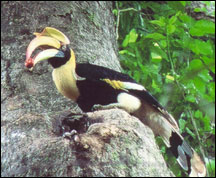
The Hornbill Research Foundation, in existence since 1978, tries to stop hornbill smuggling by turning hunters into hornbill protectors. To do this, the Foundation has made local people part of the hornbill conservation program, hiring them to guard the nests from further stealing and to help researchers collect information about the birds. This provides villagers with some income as compensation and an incentive not to return to selling baby hornbills. Villagers can also help expand the research and help protect the hornbills under their care.
Local villagers know the forest terrain thoroughly, which is especially important because some of the study areas are still not totally safe from terrorist threat. Villagers also have knowledge of the whereabouts of the hornbills’ nests as well as the birds’ mating season and their behavior and diet. Researchers have taught the villagers how to observe the birds so that they aren’t seen, and also how to collect the needed information.
At present, the project covers 84 nests of seven species; the Rhinoceros Hornbill, Great hornbill, Wreathed Hornbill, Helmeted Hornbill, White-crowned Hornbill, Black Hornbill and Wrinkled Hornbill. They are watched over by 20 people from eight villages.
The Hornbill Research Foundation has started the Hornbill Family Adoption Project to raise funds from the public to provide income for villagers to encourage continued efforts to conserve hornbills. This project allows local villagers to help secure long-term hornbill populations in the area.
The Minnesota Zoo’s Ulysses S. Seal Conservation Grant Program awarded the Hornbill Family Adoption Project $600 which is sufficient to adopt five hornbill nests in 2003 and again in 2004. By adopting one of Thailand’s many species of hornbill, we are helping save these endangered birds from extinction.
Photo courtesy of the Hornbill Family Adoption Program.
Saving Leatherback Sea Turtles, Trinidad
In May 2006, Julie Ketterling, Minnesota Zoo Interpretive Naturalist, traveled to Trinidad, West Indies, where she worked with the largest of sea turtles—the endangered leatherback. The program was supported by Earthwatch and Nature Seekers, an organization formed from local Trinidadians concerned about the declining number of leatherback turtles. During the laying season, Nature Seekers sends individuals out each night to patrol the beach. Earthwatch, an international volunteer conservation organization, joined with Nature Seekers to provide volunteers to help with research and provide a presence on the beach to help deter poachers.
The first night, Julie was trained to work with the turtles and was shown how to identify tracks made by a turtle as she came on to land to lay, in addition to the stages a female goes through as she lays her nest. Once she started to lay eggs, she would be checked to see if she had a pit tag, or microchip inserted in the shoulder used for long term population tracking. Using a scanner, the pit tag was read and recorded. If she didn’t have one, a tag was inserted. Next the team checked for two metal hind flipper tags. If she didn’t have these, two tags were attached and recorded. Lastly, the length and width of her carapace was measured and she was checked for damage to her shell or flippers.
One night, while making their way to the beach patrol zone they came across a large black mass washed ashore. As they got close, they noticed the unpleasant smell. Soon, they were able to see that it was a large fishing net with something large caught in it. At first it looked like a black whale, but then they were able to tell that five leatherback sea turtles had gotten tangled. They found one still alive and acted quickly to free her. The net was tight around her front flippers and had started to imbed in her skin. It took three people to hold her down, while two cut the rope away but they were able to cut her free and watch as she swam away. To Julie, it was a priceless moment to know that she helped saved her life.
Julie left Trinidad and the leatherbacks with a greater knowledge and appreciation for the hard work that goes into conservation and knows that the experience is one that she will take with her for the rest of her life. The Minnesota Zoo’s Ulysses S. Seal Conservation Grant Program awarded Julie $1,700 to cover some of her costs to participate in this vital conservation work.
Lemur Conservation
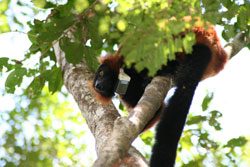 Lemurs: Effects of human encroachment of red ruffed lemurs in forest fragments, Madagascar
In the rain forests of Madagascar, fruit-eating lemurs help the forests and local subsistence farming economies thrive. Many lemurs disperse the seeds of rain forest trees and lemurs attract tourists from around the world. Lemurs are famous representatives of the unique—and mostly endemic—fauna and flora of Madagascar. Throughout the eastern rain forest, endangered lemurs are hunted; hardwood trees are logged; and forest is cut for subsistence farming by local people. These activities affect the persistence of the forest-dwelling lemurs.
Thanks in part to support from the Minnesota Zoo’s Ulysses S. Seal Conservation Grant Program, Barbara Martinez, Ph.D. student at the University of Minnesota, is studying the ecology and conservation of the endangered red-ruffed lemur (Varecia rubra). The global range of this species lies in northeastern Madagascar on the Masoala Peninsula. Masoala National Park, the largest park in Madagascar, covers 840 miles of the peninsula. Barbara’s main research project is evaluating a reforestation program aiming to capitalize on the seed dispersal abilities of the red-ruffed lemur to restore degraded rain forest in the Park.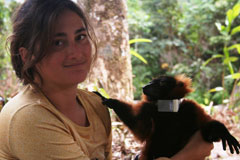
This project is located near a village called Ambatoladama. At this site, there is a narrow swath of forest connecting two larger parcels of forest—called a “corridor”. Former agricultural plots, now dominated by non-forest vegetation, lie within this forest corridor. Since 1997, park employees have been planting forest tree seedlings, most of which are also lemur foods, in these former agricultural plots with the goal of luring lemurs into the plots to disperse more forest species—red-ruffed lemurs disperse seeds through their feces. However, park managers do not know how successful red-ruffed lemurs are at dispersing seeds. This is where Barbara’s research plays an important role studying the diet, seed dispersal, and movement patterns of red-ruffed lemurs living within the corridor at Ambatoladama. Data from her research will provide park managers with scientific information so they can adapt their current management strategy to the ecology of red-ruffed lemurs.
In 2006, the Minnesota Zoo’s Ulysses S. Seal Conservation Program awarded this conservation project $2,500 to purchase radio collars to increase the number of animals able to be studied. Staff champion for this project was Dr. Jim Rasmussen, Senior veterinarian.
Mexican Gray Wolf Restoration Project
Radio tracking reintroduced Mexican wolves to monitor success of release, Arizona
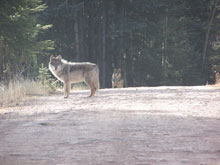 The Mexican Wolf Reintroduction Project is a multi-agency recovery program with the purpose of restoring the Mexican wolf to areas of their historic range in Arizona and New Mexico. This program involves staff from the U.S. Fish and Wildlife Service, the U.S. Department of Agriculture-Wildlife Services, the U.S. Forest Service, Arizona and New Mexico Departments of Game and Fish, and the White Mountain Apache Tribe. Additional program partners include the Mexican Wolf Species Survival Plan (SSP), the Mexican government, universities, and other private environmental groups.
The Mexican gray wolf is the most unique and genetically distinct subspecies of gray wolf in North America. International experts rate the recovery of this subspecies as one of the highest priorities in wolf conservation worldwide. In 1994, the Minnesota Zoo joined the Mexican Gray Wolf SSP, and continues to participate at many levels assisting the SSP. The Minnesota Zoo’s involvement includes advising facilities on educational curriculum and other issues surrounding wolf recovery, educating our visitors about the plight and recovery of the species by exhibiting Mexican wolves, and contributing to reproductive studies that will help ensure the survival of the species for generations to come and help improve captive management.
In August 2006, Northern Trail Zookeeper Jackie Fallon spent a month assisting the Mexican wolf field team in Arizona and New Mexico. During her stay she assisted with wolf-prey interaction studies using GPS technology, daily wolf pack monitoring, development of educational materials, and interacted with local residents to discuss the impact wolves may or may not have in the area. The primary pack she monitored was the recently released Meridian pack, which contains Minnesota Zoo wolf #10965, her mate and their single remaining female pup.
Top photo courtesy of Arizona Game and Fish
Pallas’ Cat Conservation Project
Community Education and Field Research for the Pallas’ Cat Conservation Project
The Denver Zoo’s Pallas’ Cat Conservation Project aims to determine the status and natural history of the wild Pallas’ cat. Learning from disease problems evident in the captive population, the extreme susceptibility of Pallas’ cats to fatal toxoplasmosis and FIV-related disease is being examined. We have collected biological samples and photographs from 15 wild Pallas’ cats, two wildcats, 15 domestic cats, and 60 prey species for complete health assessment, and disease screening. We have also VHF-radio collared eight wild Pallas’ cats and two wildcats and are supporting a team of Mongolian herdsmen and field biology students to describe homeranges and behavior patterns.
Preliminary telemetry and behavior research of our Mongolian wild Pallas’ cats includes determining the general homeranges of our eight collared cats and observing mating, inter and intraspecies relations, and hunting/ feeding behaviors. Approximate homeranges of 2000 sq km have been determined, with males traveling large distances (up to 20 km) in one day. Females spend up to three months in the spring/summer in one location in underground holes raising their kittens.
Three study sites have been established in the central, southern, and western regions of Mongolia. We are now in the process of developing our study sites, field teams, and telemetry methodology. GPS collars, light enough for our small Pallas’ cats, are being developed. We hope to put GPS collars on one male and one female Pallas’ cat very soon.
This project is providing vital information on the status of this species in the wild which will help to determine its current threat status as well as determining ways to protect the existing wild population from further threat. This species has had difficulty thriving in captivity due to its extreme disease susceptibility and therefore it is imperative that strategies be developed to protect what is left of the wild population.
The Ulysses S. Seal Conservation Grant Program of the Minnesota Zoo awarded “The Pallas’ Cat Conservation Project” $2500 in 2004 for the purchase of a GPS radio collar to be used to increase the number of collared cats in the field which will continue to expand the knowledge base of the wild Pallas cat population in Mongolia so that conservation measures can be better implemented. Staff champion for this project is Dr. Martha Caron, conservation biologist. She is currently serving as the International studbook keeper and the AZA Species Survival Plan Coordinator for the Pallas cat.
Pallas Cat
Community Education and Field Research for the Pallas’ Cat Conservation Project
In July 2006, Melanie Sorenson, Minnesota Zoo Interpretive Naturalist, spent eight weeks working with the Pallas Cat Conservation Project in Mongolia. She split her time between working in the field helping radio-track Pallas cat’s and teaching English to local herdsman and living in the capital city Ulaanbaatar developing curriculum for the project to be used with the local people regarding the need to protect and conserve the local natural resources and in particular the Pallas cat.
Much of her time was spent living in a ger (local nomadic shelter) in the remote steppes of Mongolia helping out the field team with their daily tracking tasks. The rest of her time in the field was spent teaching English to the researcher’s children and to the local nomadic herder families in the study area. She was able to include some basic information on conservation in these conversations as well.
The Minnesota Zoo’s Ulysses S. Seal Conservation Grant Fund provided Melanie with $500 to cover her conservation contribution to the project. This money was spent to provide much needed supplies for the field camp and researchers.
Sun Bear/Bearded Pig
The Effects of Selective Logging on Malayan Sun Bears and Bearded Pigs, Borneo
The proposed study is designed to understand the impacts of selective logging in tropical forests on two sympatric omnivore species- Malayan sun bears and bearded pigs. Both species are forest dependent and fill a similar niche at ground level, being omnivores and having roles in seed dispersal and soil disturbance. Logging in Southeast Asia is resulting in the conversion of tropical rainforests into secondary forest communities and the fragmentation of vital habitat for sun bears, bearded pigs and other wildlife.
While human activities such as logging are certainly assumed a threat to wildlife habitat in the region, the direct and indirect effects of timber harvest on sun bears and bearded pigs are not known. This project seeks to identify critical resources for the survival of these species in logged regions. In this study, animal densities, seasonality of food abundance, food habits and physical condition will be compared for both sun bears and pigs in logged and primary forests. Fruit tree phenology, fruit production and relative levels of invertebrate prey will also be documented.
The proposed study will be conducted at the Ulu Segama Forest Reserve in eastern Sabah on the island of Borneo. The reserve encompasses both selectively logged forest and primary forest. Since the remaining forests in Borneo will likely be converted to logged forests, it is important to understand the specific impact of this disruption to the region’s wildlife. The information gathered will aid in establishing conservation strategies, wildlife management and forestry practices that balance the plans to utilize the rainforests for human interests and the needs of the resident wildlife.
The Minnesota Zoo’s Ulysses S. Seal Conservation Grant Program awarded “The Effects of Selective Logging on Malayan Sun Bears and Bearded Pigs in Lowland Tropical Rainforests of Borneo” $2300 in 2005 for its efforts to determine conservation concerns and management strategies for Malayan sun bears and bearded pigs in Borneo. Staff champions for this project are Christine McKnight and Larry Vorwerk, Tropics Zookeepers.
Amur Leopard: Field Census Conservation Program, Russian Far East
Coral Reef: Coastal Ecology of the Bahamas
Fossa: Carnivores of Madagascar
Grevy’s Zebra: Monitoring competition with livestock on protected versus non-protected land, Kenya
Monarch Butterfly: Monarch Watch, US and Mexico
Jaguar and Giant Otter: Surveys of Brazil’s Meeting of the Waters Park
Sea Otter: Prevalence of infectious disease as a cause of mortality in northern sea otters in Alaska (also funded in 2004)
Brown Bear: Determining the Effects of Humans on Brown Bears at Alaskan Salmon Streams, Alaska, USA
Clouded Leopard/Fishing Cat: Thailand Clouded Leopard and Fishing Cat Conservation Project (also funded in 2003)
Hyacinth Macaws: Population census of hyacinth macaws as a result of conservation efforts, Brazil
Lemur : The re-introduction of the Black and White Ruffed Lemur and the Diademed Sifaka, Madagascar
Lemur: Project Betampona: Lemur Reintroduction by the Madagascar Fauna Group
Mexican Wolves: Semen Collection and Storage, Estrus Evaluation and Assisted Reproduction, USA and Mexico
Sloth: Rehabilitation and Release in Costa Rica
Takhi: Hustai National Park – Takhi Reintroduction Project, Mongolia
Sea Turtle: Conservation Costa Rica
Tree Kangaroo: Conservation Program, Papua, New Guinea (also funded in 2002)
Tree Kangaroo: SSP Husbandry Manual, USA
Tree Kangaroo/Echidna: Radio telemetry studies of the Matschie’s tree kangaroo and the long-beaked echidna, Papua, New Guinea
Green Aracari: Genetic Analysis Project, USA
J. Michael Fay and Wildlife Conservation Society’s Gabon Habitat Conservation Project
Komodo Dragon: Conservation Biology and Population Management of the Komodo Monitor, Indonesia
Lear’s Macaws: BioBrasil Lear’s Macaws Conservation Project, Brazil
The Siberian Tiger Project: Russian Far East
The Turtle Conservation Fund: Southeast Asia
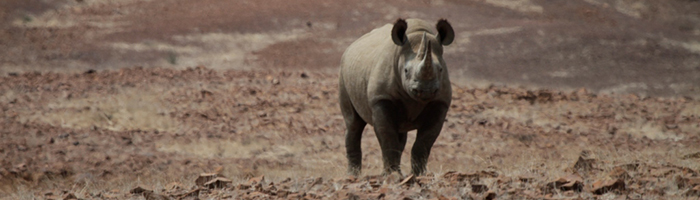
The Minnesota Zoo and its partners conduct one of the most successful rhino conservation programs in the world. Zoo biologists work with local Namibians to monitor rhinos on community lands.
There are fewer dholes (Asian wild dogs) than tigers left in the wild! Biologists at the Minnesota Zoo are working in Thailand to study threats to this little-known endangered species.
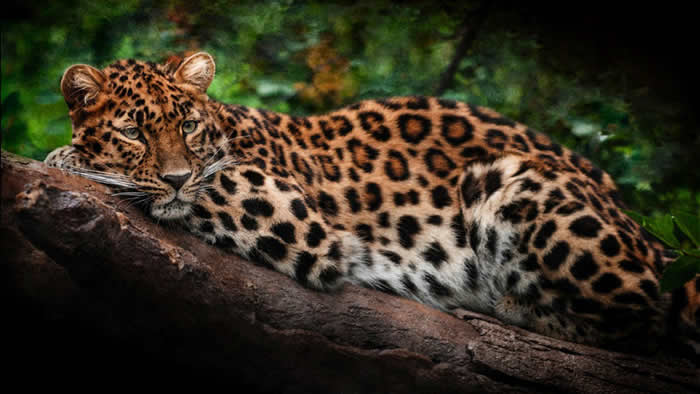
Funds donated by guests in the Conservation Cabin of the Zoo’s Russia’s Grizzly Coast exhibit support conservation projects for large cats, bears, and sea otters in the Russian Far East.
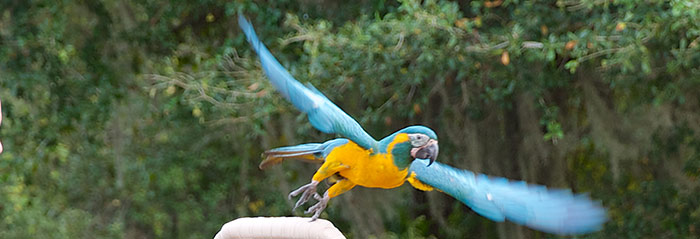
Since 2007, the Minnesota Zoo has been a strong supporter of Blue-throated Macaw research, conservation, and education.
The Minnesota Zoo provides grants to global conservation efforts. This program is a unique opportunity for Zoo staff from all backgrounds to directly contribute to save wildlife.
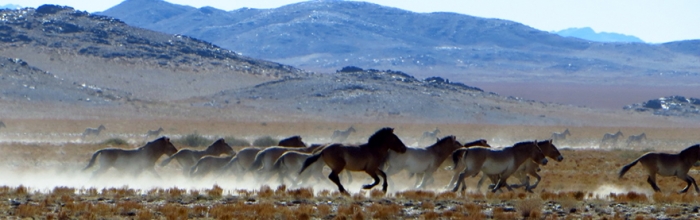
Asian wild horses went extinct in the wild in the 1960s, but returned to the wild with help from zoos. Biologists at the Minnesota Zoo are working to secure a future for these reintroduced horses.