
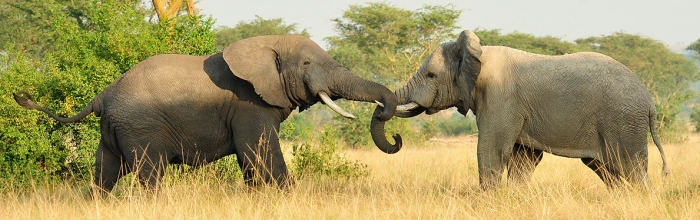
Can you imagine a world without elephants?
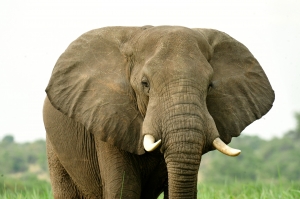
Elephants are in crisis. In 2012 alone, 35,000 elephants were killed by poachers in Africa– an average of 96 elephants each day. At this rate, African elephants face near extinction in another 10 years.
Why are elephants in danger?
Increasing demand for ivory around the world, including right here in the United States—the second largest market for ivory—is at the root of this crisis. Elephants are increasingly poached to meet this demand, even though international trade in ivory is illegal.
What is being done to help elephants?
96 Elephants is a coalition of organizations, including the Minnesota Zoo, uniting to help stop the sale of ivory and save African elephants from extinction. Learn more about 96 Elephants and how you can help at 96elephants.org.
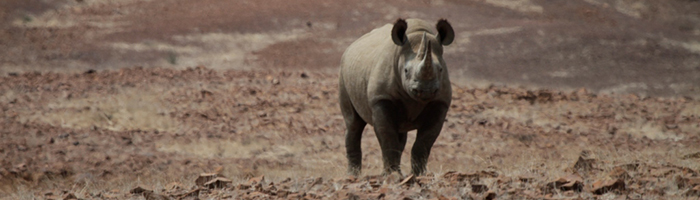
The Minnesota Zoo and its partners conduct one of the most successful rhino conservation programs in the world. Zoo biologists work with local Namibians to monitor rhinos on community lands.
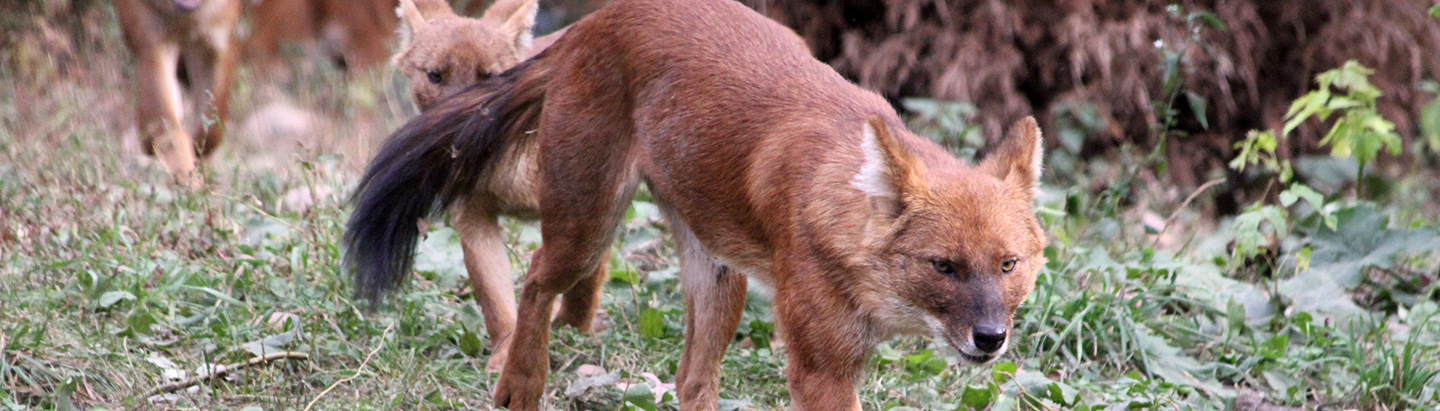
There are fewer dholes (Asian wild dogs) than tigers left in the wild! Biologists at the Minnesota Zoo are working in Thailand to study threats to this little-known endangered species.
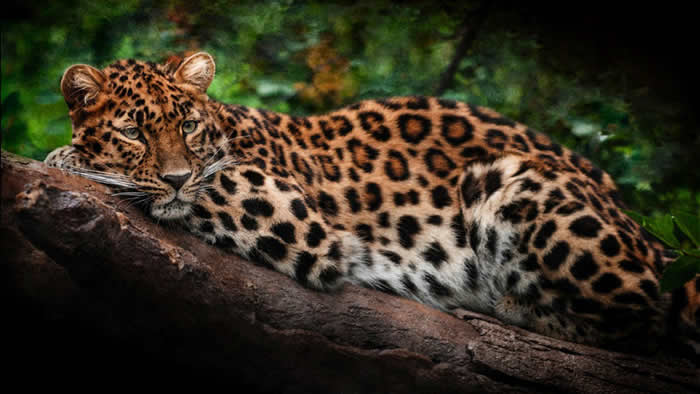
Funds donated by guests in the Conservation Cabin of the Zoo’s Russia’s Grizzly Coast exhibit support conservation projects for large cats, bears, and sea otters in the Russian Far East.

Since 2007, the Minnesota Zoo has been a strong supporter of Blue-throated Macaw research, conservation, and education.

The Minnesota Zoo provides grants to global conservation efforts. This program is a unique opportunity for Zoo staff from all backgrounds to directly contribute to save wildlife.
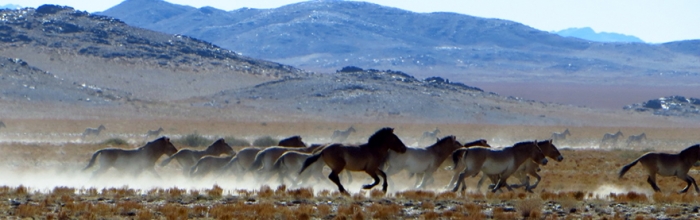
Asian wild horses went extinct in the wild in the 1960s, but returned to the wild with help from zoos. Biologists at the Minnesota Zoo are working to secure a future for these reintroduced horses.