
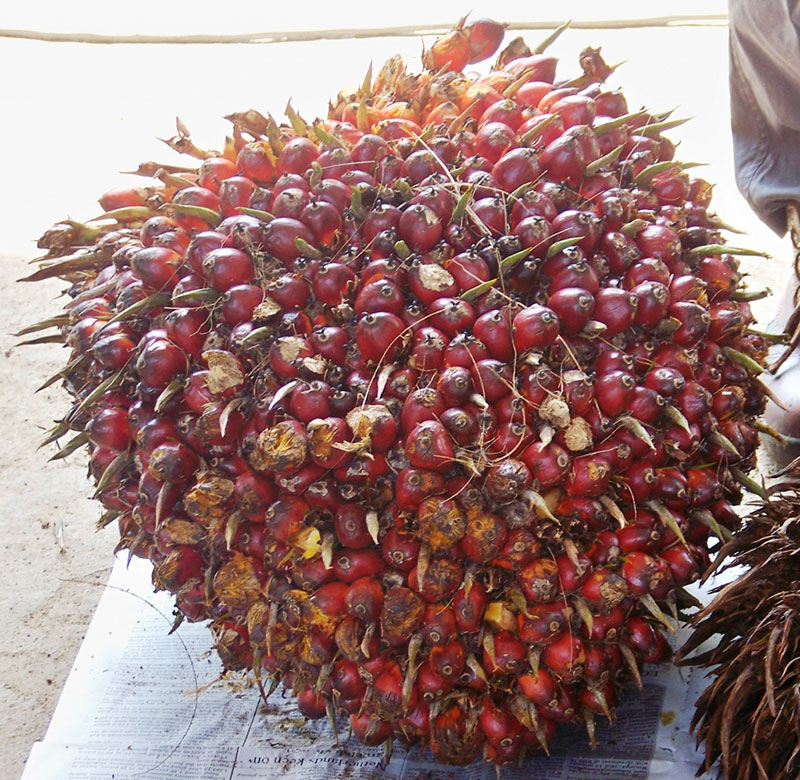
Palm oil is harvested from the fruit of the oil palm plant.
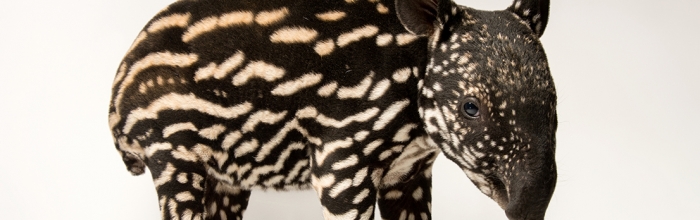
The rapid demand for palm oil has led to the destruction of tropical forests in Indonesia, Malaysia, and beyond as forests are converted to agricultural fields. This conversion of tropical forests to palm oil plantations often leads to habitat loss for animals like endangered tigers, orangutans, elephants, and tapirs.
What is palm oil?
Palm oil is the world’s most widely produced vegetable oil. It is an ingredient in about half of the items you find in most supermarkets, like shampoo, toothpaste, peanut butter and candy bars.
Not all palm oil is the same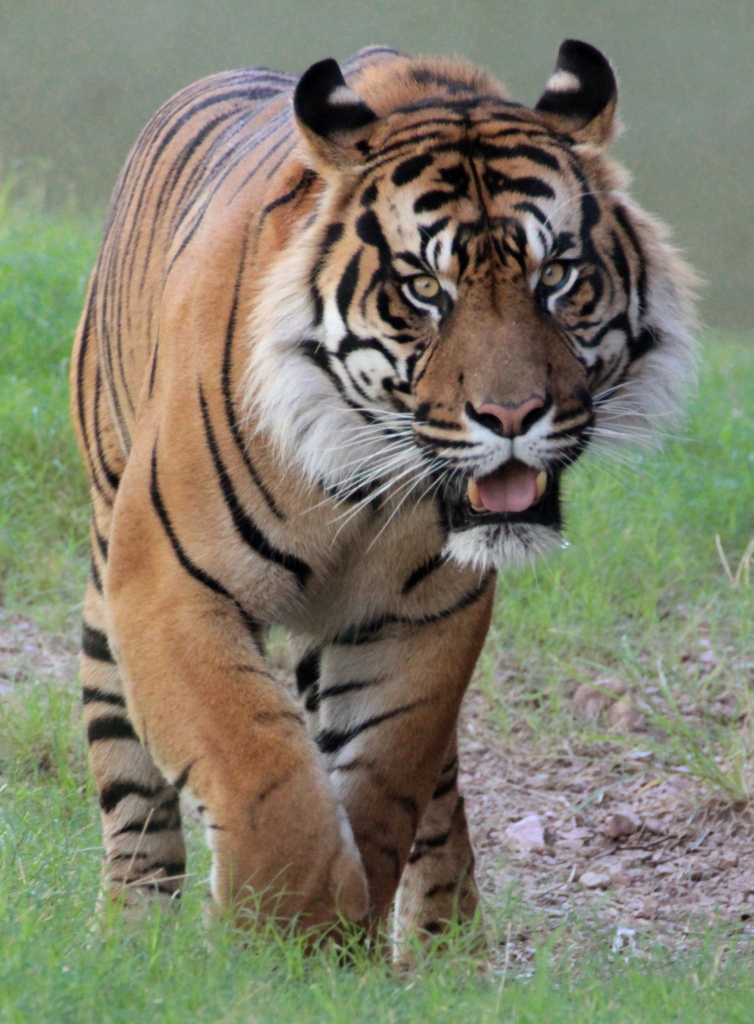
Palm oil is an important crop to the economy and people of Indonesia and Malaysia and can be produced in a responsible way without cutting down the rainforest. The Roundtable on Sustainable Palm Oil has established criteria that help minimize negative impacts of palm oil cultivation on the environment and communities in palm oil-producing regions. Palm oil produced under these practices is certified as “sustainable.” The number of companies around the world that have committed to using sustainable palm oil continues to grow. Learn about this and other palm oil issues in-depth.
What can you do to help wildlife?
You can help save tropical forests and wildlife like orangutans, Malayan tapirs, and critically endangered Sumatran tigers by purchasing products that use responsible palm oil sources. Use a palm oil shopping guide app to find out which companies and products are committed to best practices for palm oil: Palm Oil Shopping Guide App from Cheyenne Mountain Zoo
Find resources and learn about other actions you can take here.
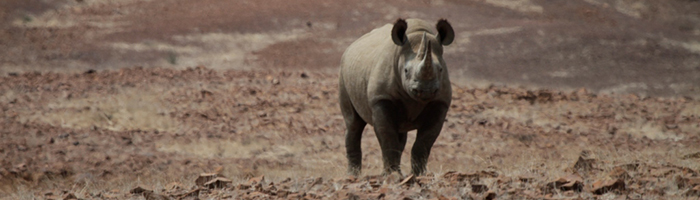
The Minnesota Zoo and its partners conduct one of the most successful rhino conservation programs in the world. Zoo biologists work with local Namibians to monitor rhinos on community lands.
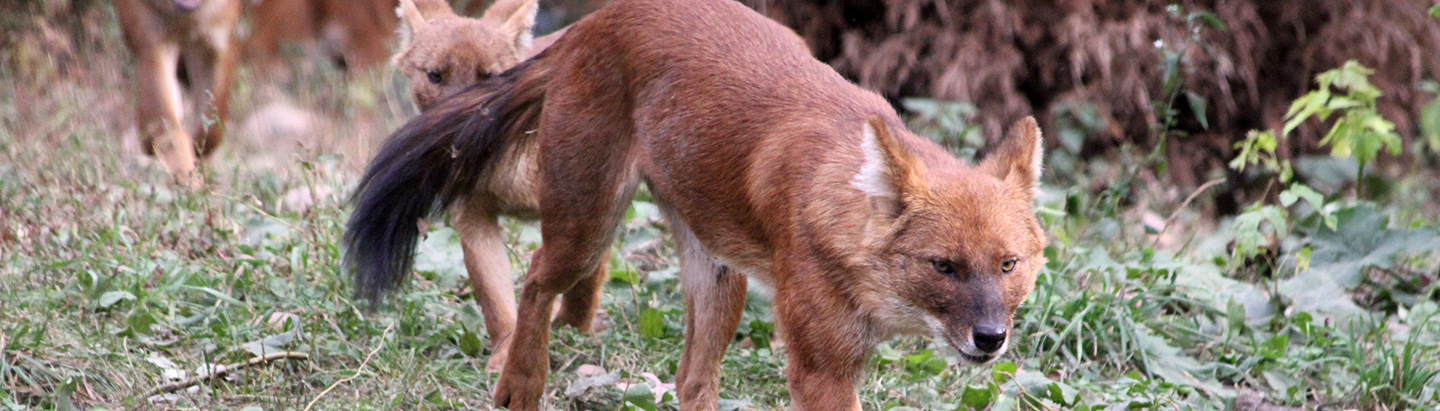
There are fewer dholes (Asian wild dogs) than tigers left in the wild! Biologists at the Minnesota Zoo are working in Thailand to study threats to this little-known endangered species.

Funds donated by guests in the Conservation Cabin of the Zoo’s Russia’s Grizzly Coast exhibit support conservation projects for large cats, bears, and sea otters in the Russian Far East.

Since 2007, the Minnesota Zoo has been a strong supporter of Blue-throated Macaw research, conservation, and education.

The Minnesota Zoo provides grants to global conservation efforts. This program is a unique opportunity for Zoo staff from all backgrounds to directly contribute to save wildlife.
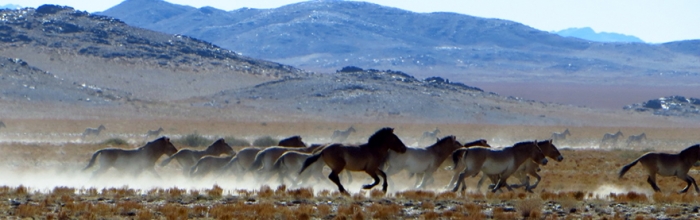
Asian wild horses went extinct in the wild in the 1960s, but returned to the wild with help from zoos. Biologists at the Minnesota Zoo are working to secure a future for these reintroduced horses.