
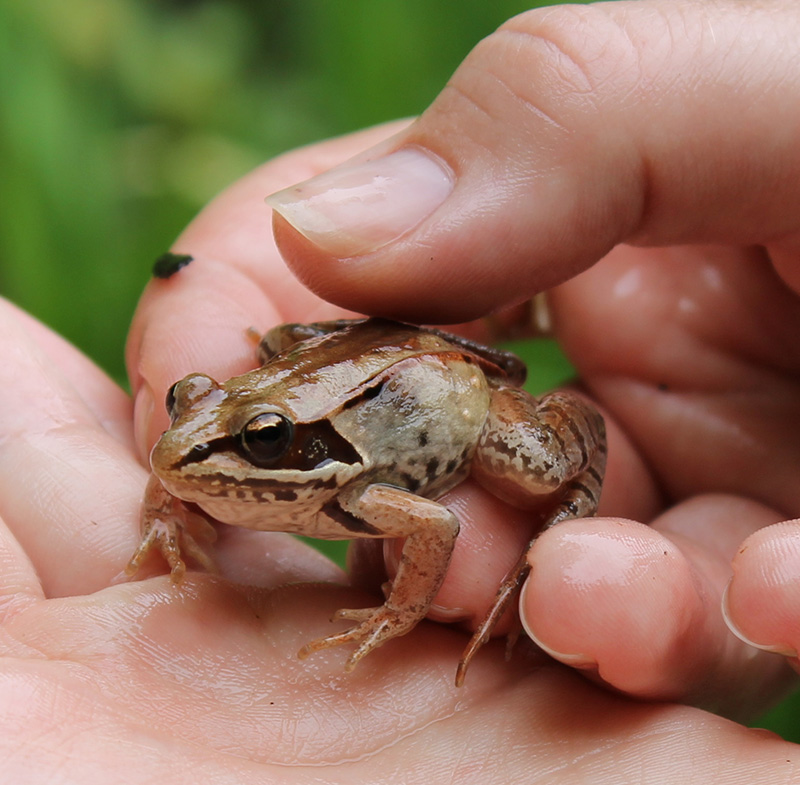
Wood Frog
The appearance of diseases such chytrid fungus and Ranavirus have been linked to population declines of amphibians across the world. Disease is spread by direct contact between amphibians or through contaminated water. The Minnesota Zoo is working with partners at the University of Minnesota and the San Diego Zoological Society to document amphibian disease on Zoo site and better understand the impact of disease on amphibian health.
Amphibians like frogs, toads, and salamanders are critical to a healthy ecosystem. Depending on the species, amphibians may be predators or prey and they also eat insects that are pests. Amphibians are very sensitive to changes in water quality and temperature, so they can act as a “canary in the coal mine” as an early warning sign of problems in the environment.
Scientists estimate that at least 42% of all species of amphibians have population numbers that are going down. Loss of wetlands, invasive species, a warming climate, diseases, and toxic waste products that get into the environment all negatively impact amphibians.
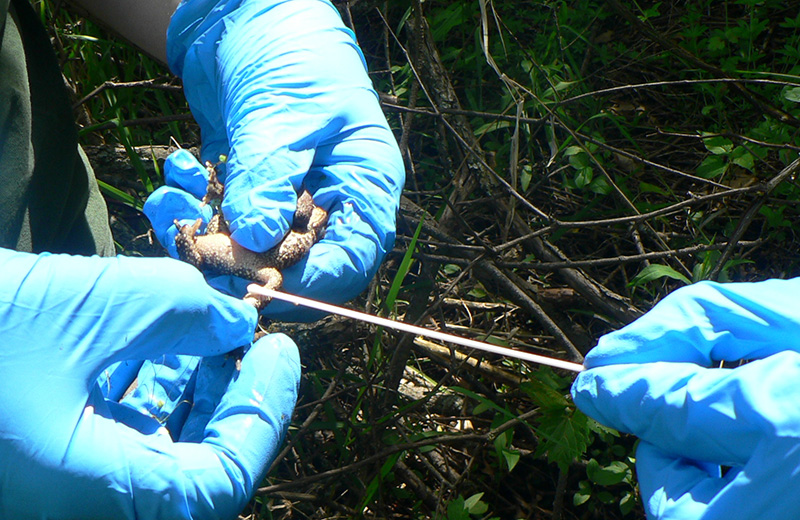
Biologists swabbing a frog to test for disease
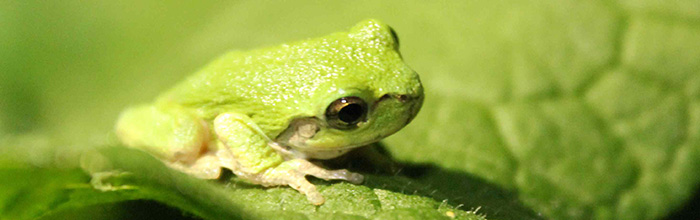
Biologists are catching frogs and toads in the wetlands on Zoo property and collecting samples by wiping their skin and the inside of the mouth. The samples are tested to see if the amphibians carry disease. The most common species found on site are tree frogs and boreal chorus frogs.

They will use this information to:
- Check the current health status of amphibians in and around the Minnesota Zoo.
- Record where and at what time of year amphibians are sick with diseases.
- Look for aspects of the environment that could cause amphibians in this area to be at higher risk of catching a disease.
Ranaviruses and chytrid fungus are spread by the movement of infected animals. For example, the trade and transport of amphibians for pets has added to the spread of disease. Using amphibians for bait for fishing can also spread the disease to fish. If you feel the need to have a pet amphibian, make sure it is captive-raised and not wild-caught. You can also choose to not use amphibians as bait.
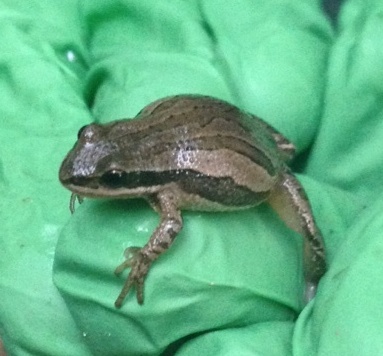
Chorus Frog
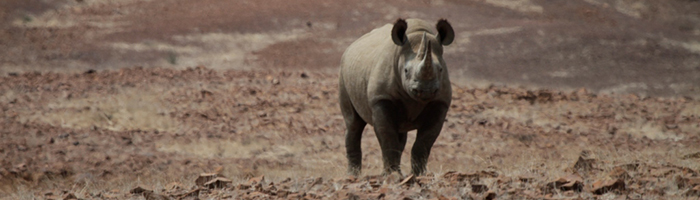
The Minnesota Zoo and its partners conduct one of the most successful rhino conservation programs in the world. Zoo biologists work with local Namibians to monitor rhinos on community lands.
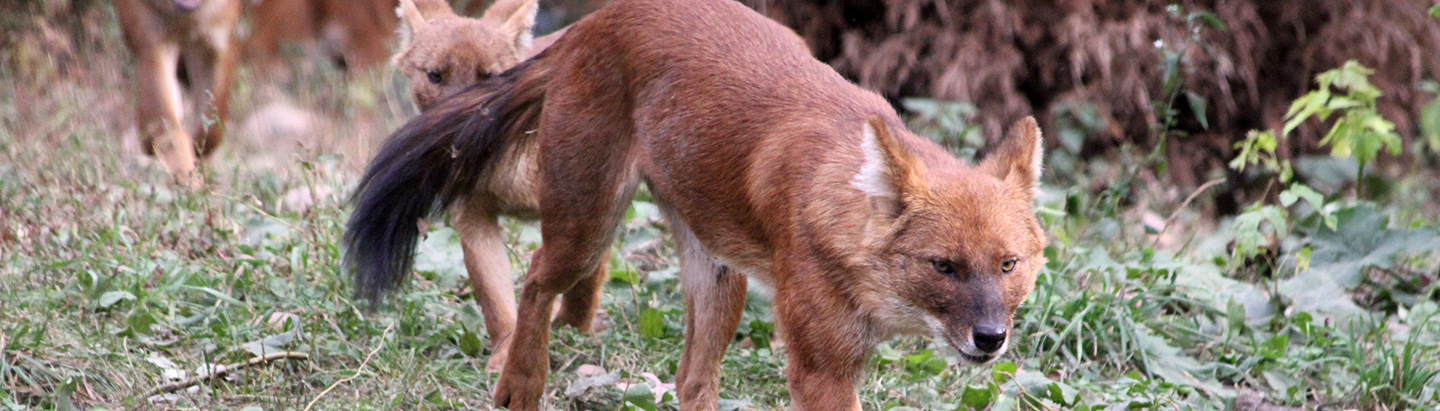
There are fewer dholes (Asian wild dogs) than tigers left in the wild! Biologists at the Minnesota Zoo are working in Thailand to study threats to this little-known endangered species.
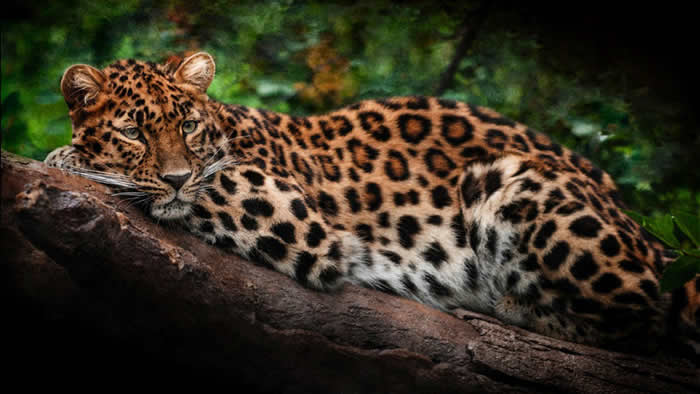
Funds donated by guests in the Conservation Cabin of the Zoo’s Russia’s Grizzly Coast exhibit support conservation projects for large cats, bears, and sea otters in the Russian Far East.

Since 2007, the Minnesota Zoo has been a strong supporter of Blue-throated Macaw research, conservation, and education.

The Minnesota Zoo provides grants to global conservation efforts. This program is a unique opportunity for Zoo staff from all backgrounds to directly contribute to save wildlife.
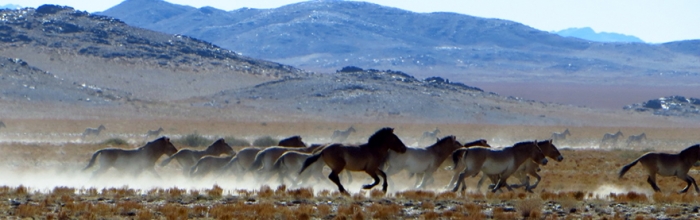
Asian wild horses went extinct in the wild in the 1960s, but returned to the wild with help from zoos. Biologists at the Minnesota Zoo are working to secure a future for these reintroduced horses.