
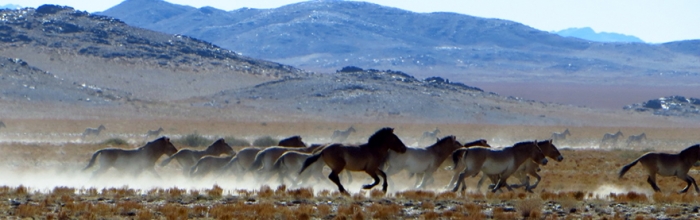
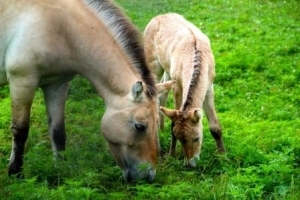
The Asian wild horse is also called Przewalski’s horse. These true wild horses have lived in the grasslands of Europe, Central Asia, and China for thousands of years. Even though they have endured harsh climates throughout their history, they have always adapted and survived. That all changed when humans drove them to extinction in the wild by the late 1960s. Thankfully, several organizations were able to rescue some horses before they disappeared entirely. The horses taken into human care are the ancestors of all modern Asian wild horses. Over the next several decades, these animals were bred in human care and their offspring were later released back into the wild. Though still rare, the Asian wild horse is once again running free! Reintroduction efforts in Mongolia and China have been underway since 1992. There have also been small reintroductions in Russia and Ukraine.
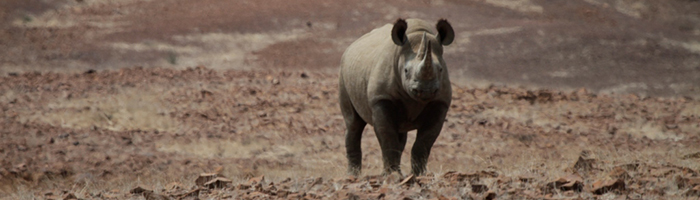
The Minnesota Zoo and its partners conduct one of the most successful rhino conservation programs in the world. Zoo biologists work with local Namibians to monitor rhinos on community lands.
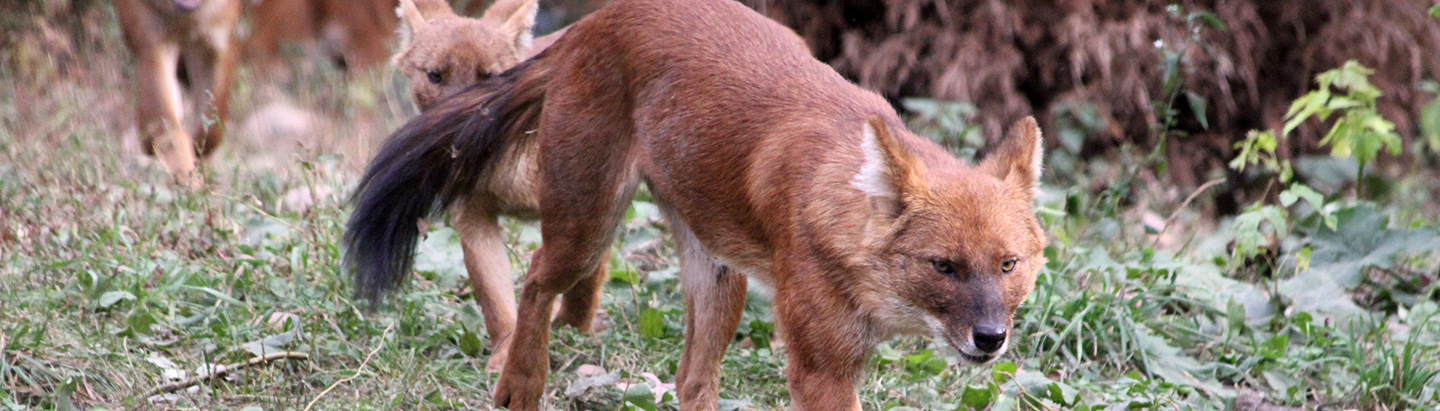
There are fewer dholes (Asian wild dogs) than tigers left in the wild! Biologists at the Minnesota Zoo are working in Thailand to study threats to this little-known endangered species.
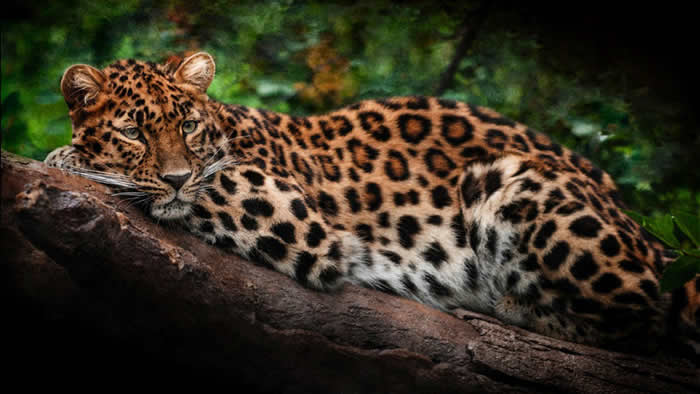
Funds donated by guests in the Conservation Cabin of the Zoo’s Russia’s Grizzly Coast exhibit support conservation projects for large cats, bears, and sea otters in the Russian Far East.

Since 2007, the Minnesota Zoo has been a strong supporter of Blue-throated Macaw research, conservation, and education.

The Minnesota Zoo provides grants to global conservation efforts. This program is a unique opportunity for Zoo staff from all backgrounds to directly contribute to save wildlife.
Asian wild horses went extinct in the wild in the 1960s, but returned to the wild with help from zoos. Biologists at the Minnesota Zoo are working to secure a future for these reintroduced horses.