

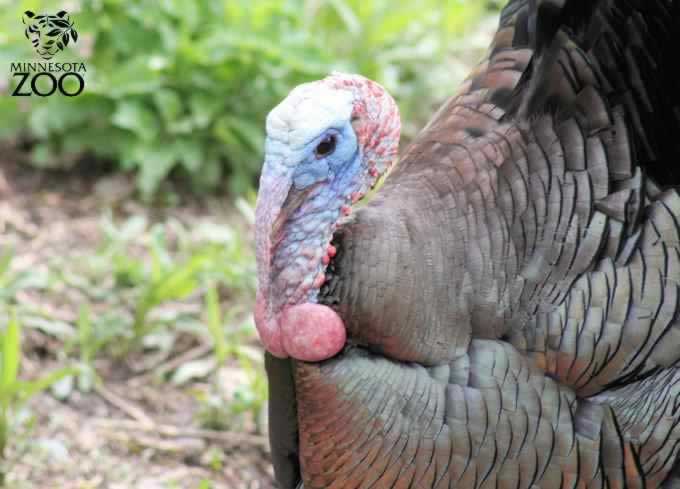
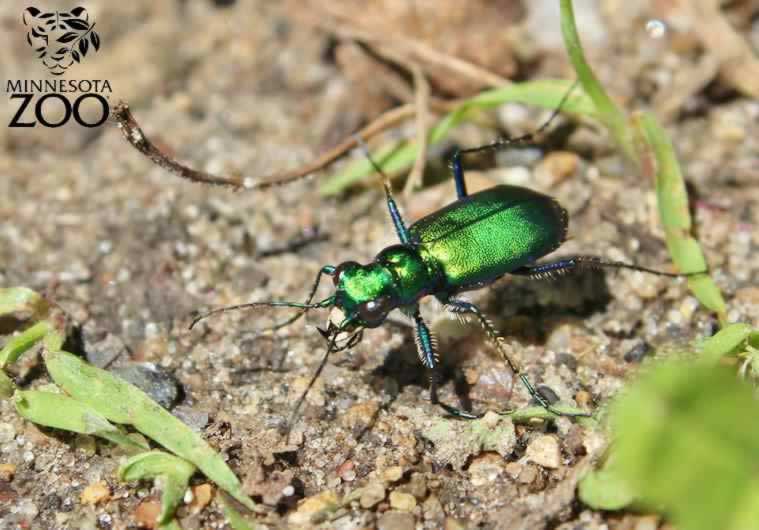
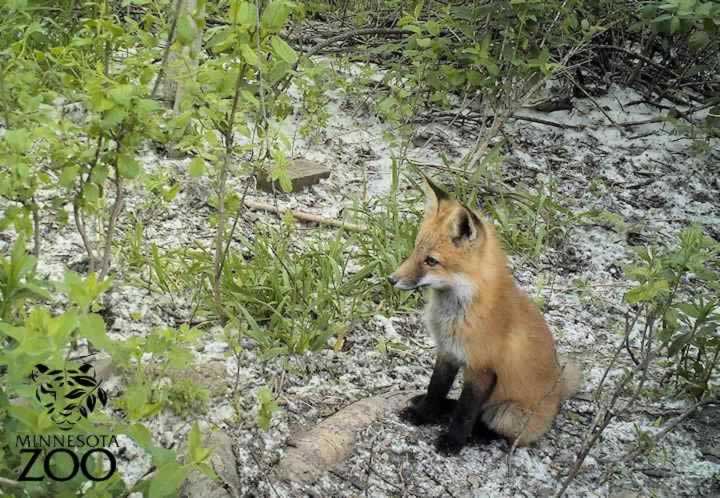
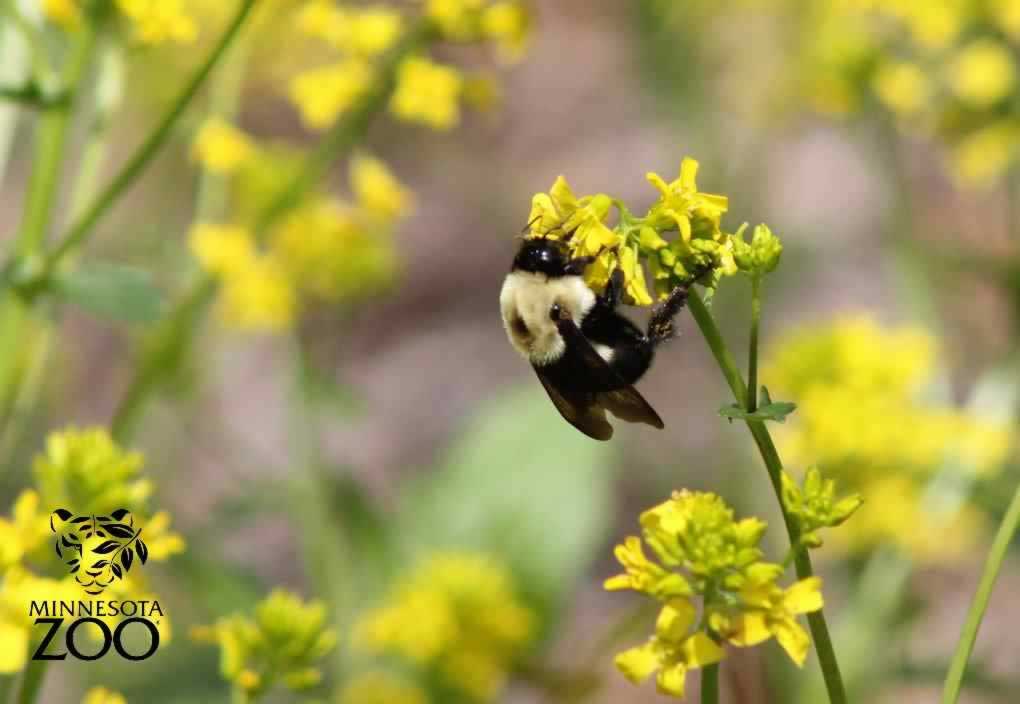
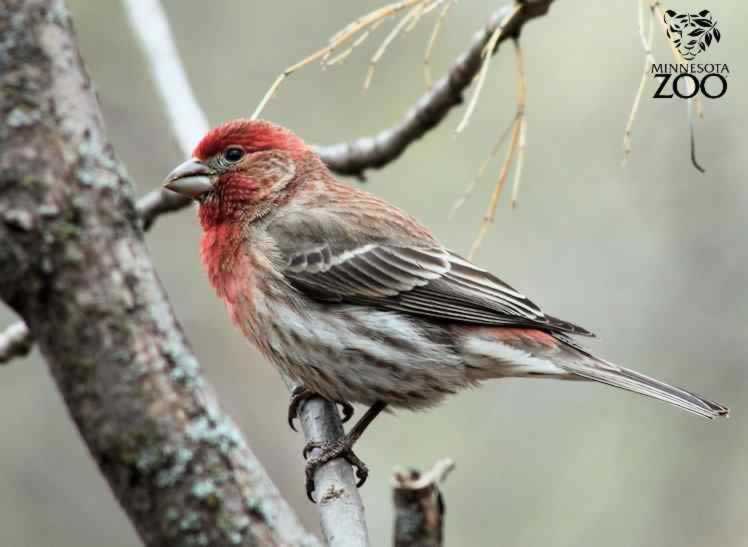
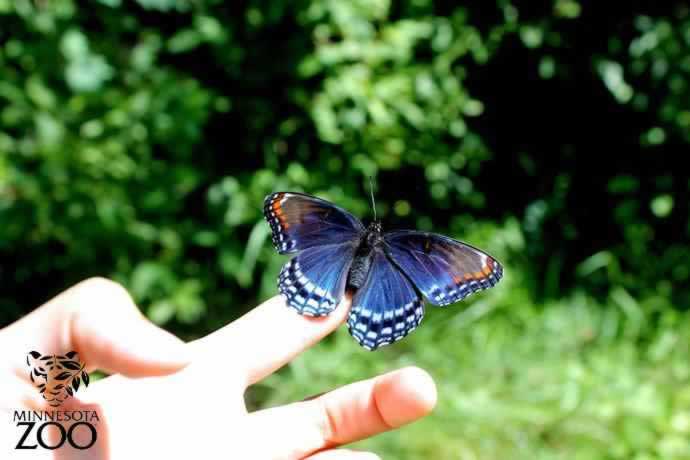
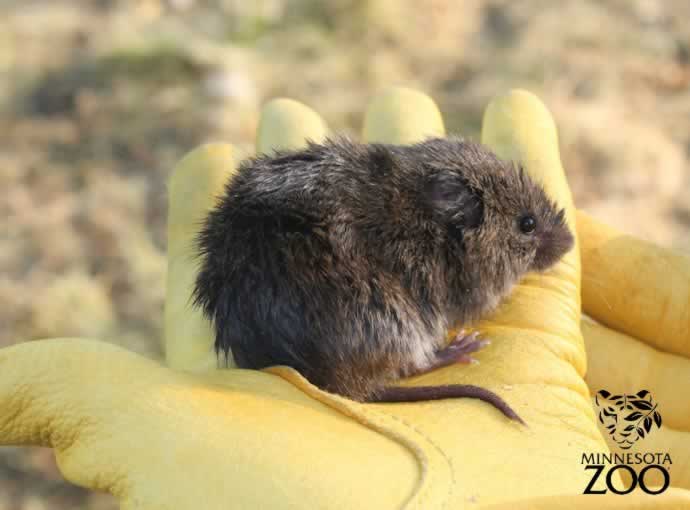
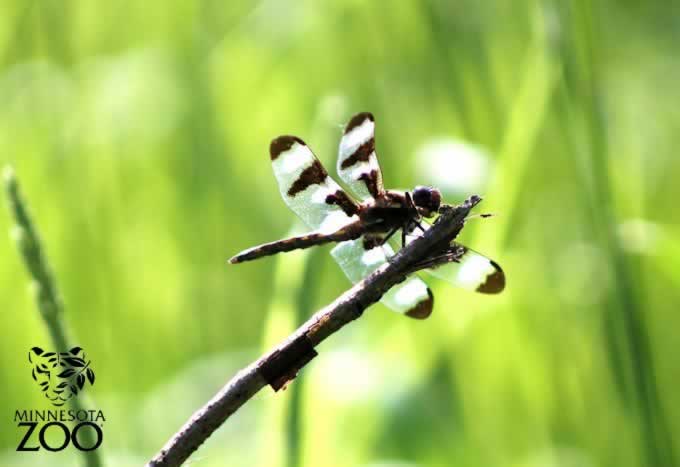
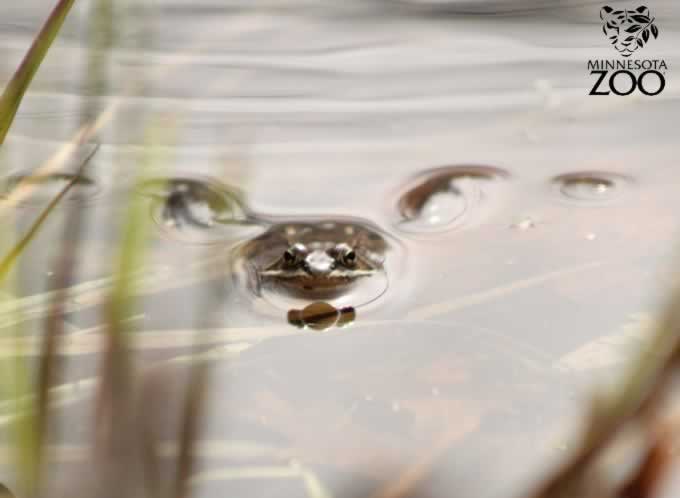
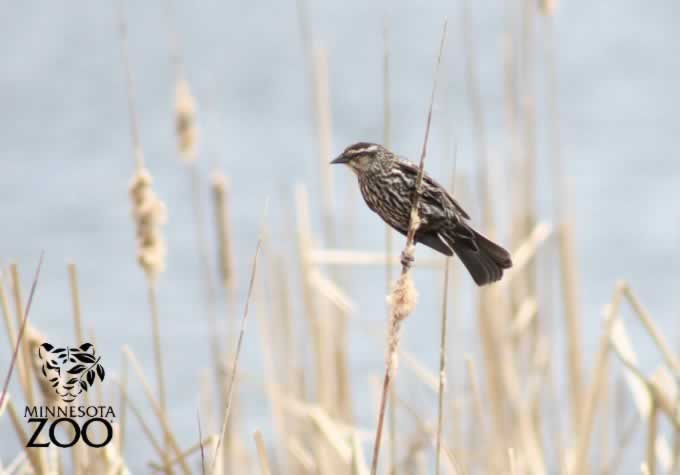
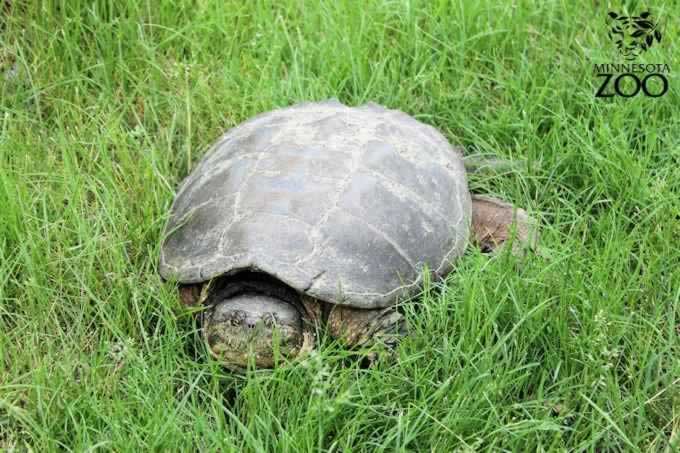
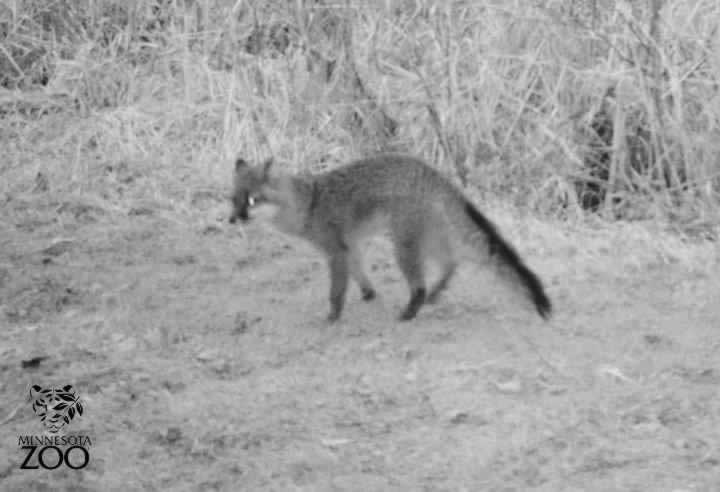
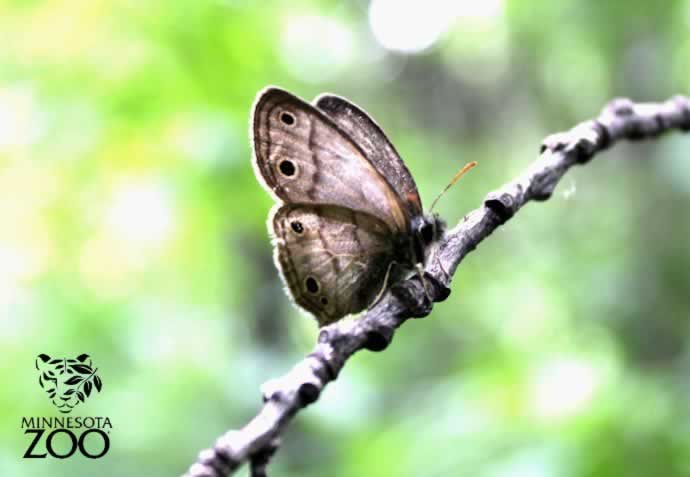
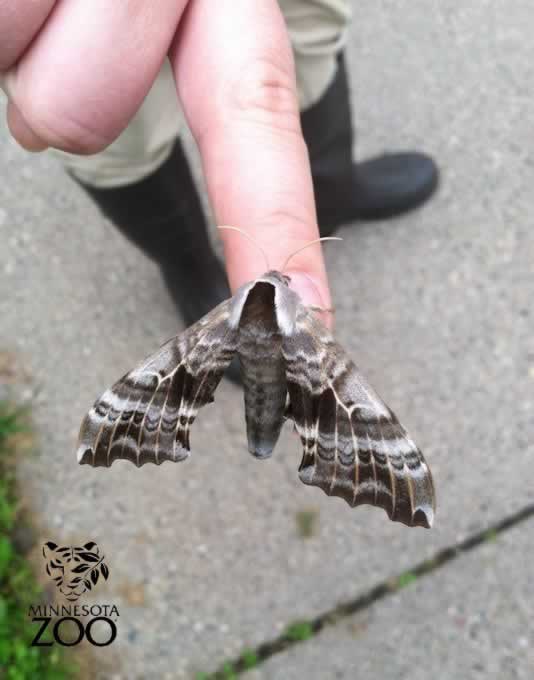
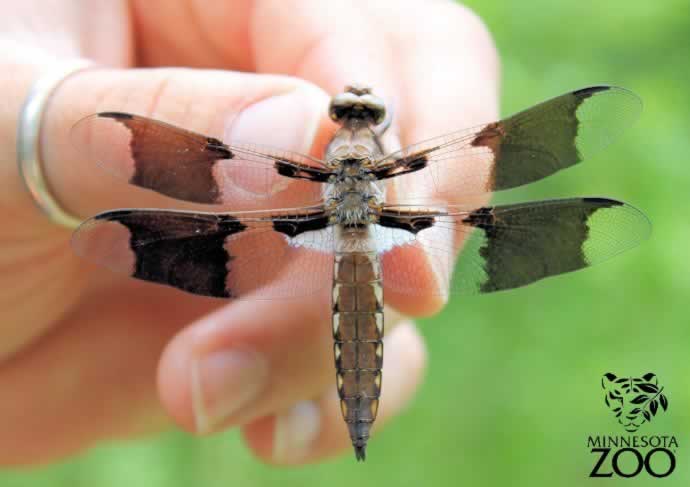
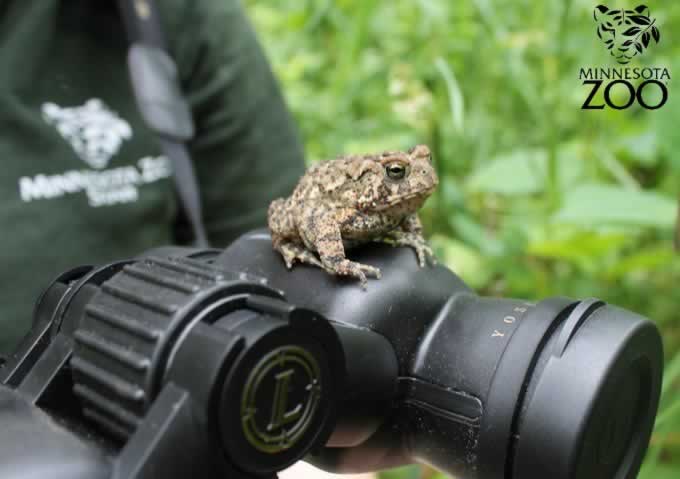
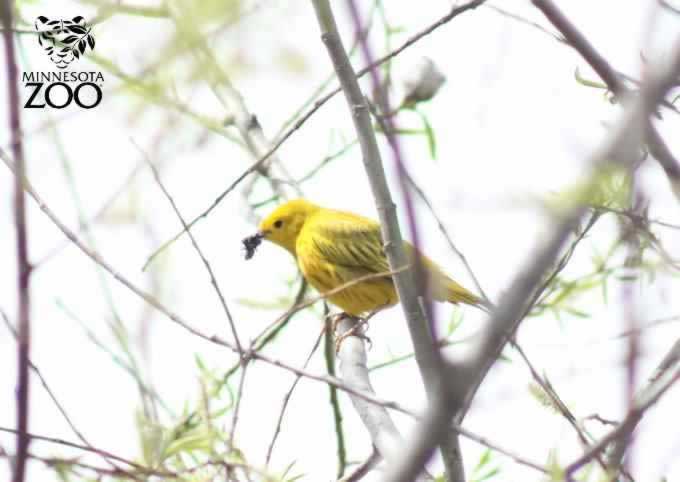
 It might surprise you that the Zoo sits on a 485-acre property, over half of which is undeveloped! This natural area includes habitats such as vernal pools, sedge meadows, northern rich fen, and oak and aspen woodlands. Some habitats, such as the northern rich fen, are somewhat rare for this part of Minnesota. From March 2013 through July 2014 Minnesota Zoo staff, led by former Zoo employee Katie Talbott, cataloged and monitored wildlife on the Zoo site as part of a BioDiscovery project. Although the formal project has finished, we still invite you to explore with us! Check out our tools for guests of all ages to explore local wildlife and find tips on planning your own wildlife adventure! Feeling inspired to get outdoors and explore?




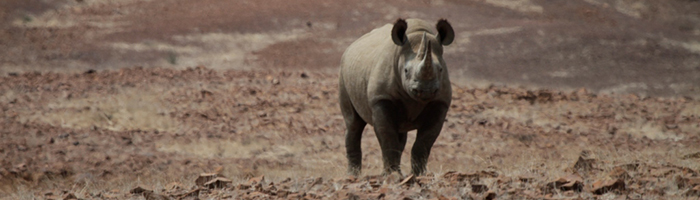
The Minnesota Zoo and its partners conduct one of the most successful rhino conservation programs in the world. Zoo biologists work with local Namibians to monitor rhinos on community lands.
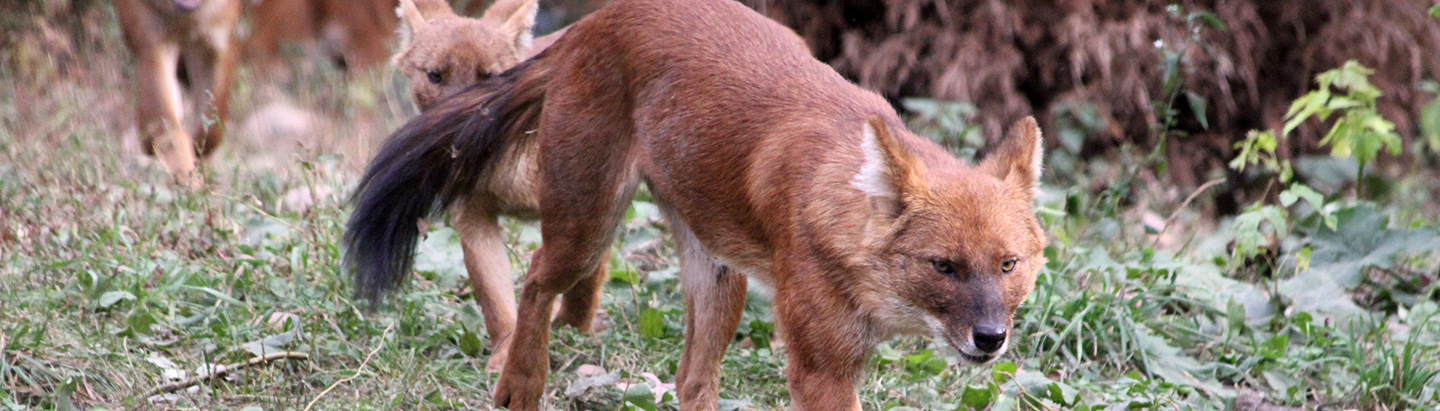
There are fewer dholes (Asian wild dogs) than tigers left in the wild! Biologists at the Minnesota Zoo are working in Thailand to study threats to this little-known endangered species.

Funds donated by guests in the Conservation Cabin of the Zoo’s Russia’s Grizzly Coast exhibit support conservation projects for large cats, bears, and sea otters in the Russian Far East.

Since 2007, the Minnesota Zoo has been a strong supporter of Blue-throated Macaw research, conservation, and education.

The Minnesota Zoo provides grants to global conservation efforts. This program is a unique opportunity for Zoo staff from all backgrounds to directly contribute to save wildlife.
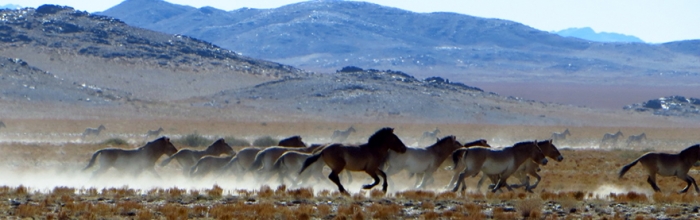
Asian wild horses went extinct in the wild in the 1960s, but returned to the wild with help from zoos. Biologists at the Minnesota Zoo are working to secure a future for these reintroduced horses.