Puma
Puma concolor
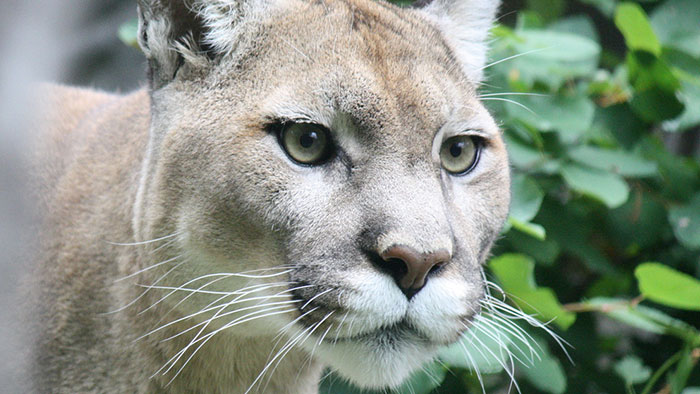
Pumas are known by many common names including cougars, mountain lions, panthers, catamounts and others.
Silent and elusive, pumas are extremely rare in Minnesota. Few Minnesotans have ever seen one of these large predators in the wild. If you think you have seen a wild puma, report what you saw to a conservation officer from the Minnesota Department of Natural Resources
What They Eat
Pumas eat a wide range of medium and large-sized animals, from rabbits to deer.
Where They Live
Pumas can live wherever their main prey—deer—roam.
What They Do
Speedy and large—at 85-190 pounds—they can tackle a healthy deer by themselves.
How They’re Doing
The puma is protected over much of its range and is listed as Special Concern in Minnesota. There are sometimes puma sightings in Minnesota, but there is no evidence of a breeding population in the wild. In California and Florida, many animals are killed by vehicles when they try to cross heavily traveled roads.
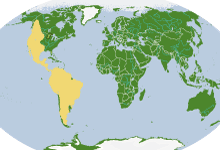
Where in the World
North America
South America
Habitat
Temperate Forest/Taiga Tropical Forest Other (rocky terrain with shrubby growth)
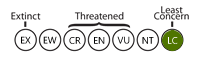
Conservation Status
Animal Facts
Nose to tip of tail: 5-8 ft
Height: 2.0-2.5 ft at the shoulder
Weight: 85-190 lbs, males are larger than females
Lifespan: 8-12 years in the wild, up to 20 years in human care
Taxonomic Category
Mammal, carnivore
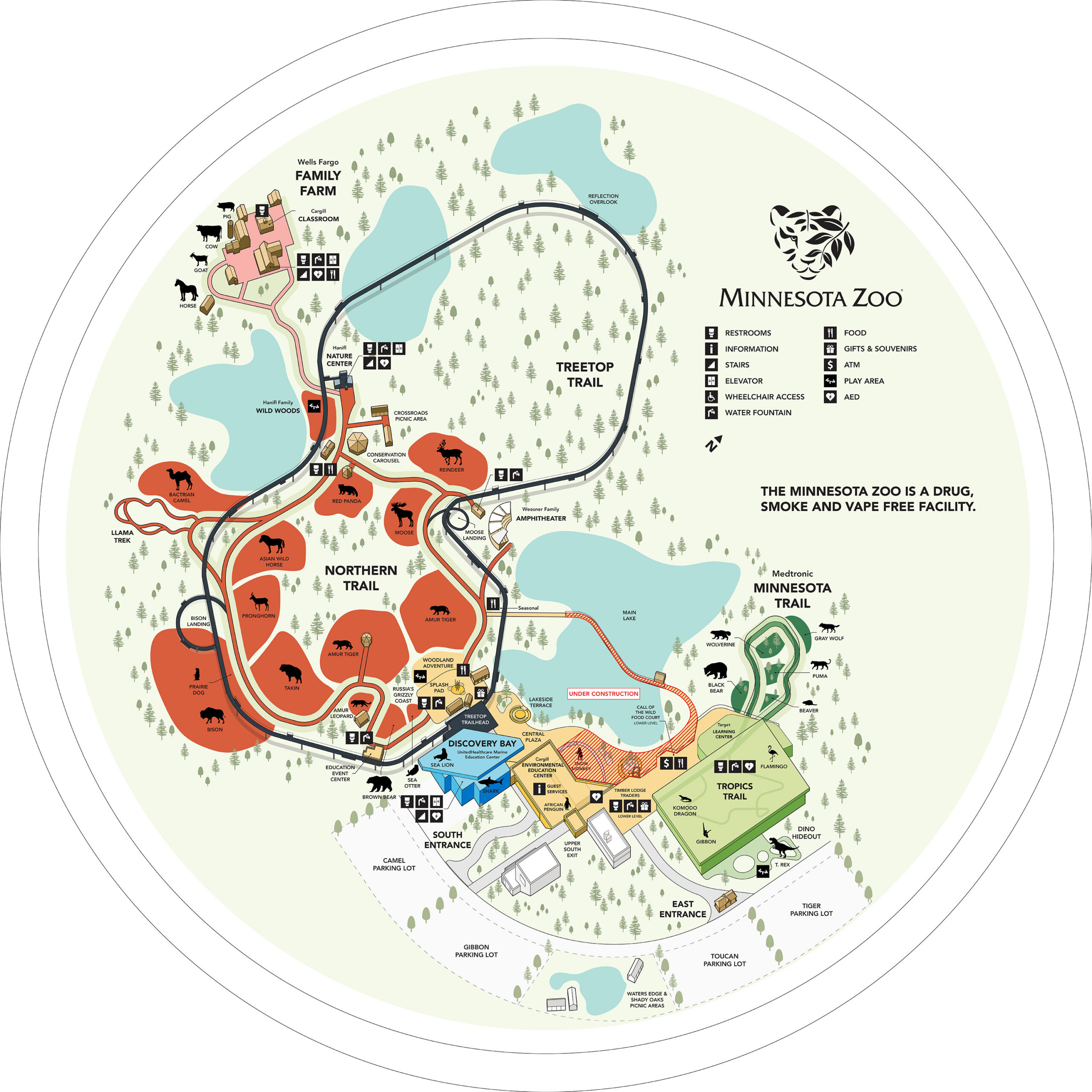
Where at the Zoo
- Probably due to their wide range across North and South America, pumas are known by several common names.
- Linked to speed, strength, and cunning, the names “puma” and “cougar” are popular names for sports teams, athletic shoes, and cars.
- Pumas can run up to 43 mph, jump more than 20 feet from standing, and leap up to 16 feet straight up. One was even seen jumping 12 feet into a tree with a deer in its jaws.
- Although pumas can make a wide range of cat noises (hisses, growls, purrs), they cannot roar. Instead, they are known for their distinctive “scream-like” calls made during the mating season.
- Pumas are excellent swimmers, but like most cats, prefer not to get wet.