Chinchilla
Chinchilla spp.
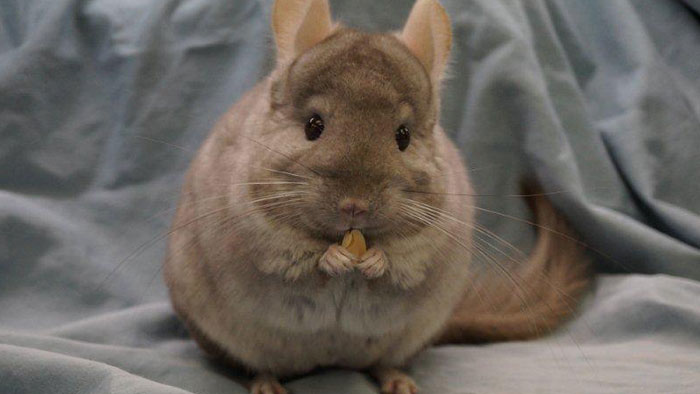
Domestic chinchillas are quite common as pets, but many people are surprised to learn they are close to extinction in the wild. The Minnesota Zoo supports conservation efforts to improve chinchilla habitat and replant lost vegetation.
What They Eat
Chinchillas wait until dusk to begin foraging. They prefer grass, but will eat any kind of available vegetation.
Where They Live
These social rodents live in the arid rocky regions of the central Andes Mountains and coastal foothills. During the day, they seek shelter in rock crevices, under vegetation, or in burrows. Today there are only a handful of long-tailed chinchilla populations in Chile and a few short-tailed chinchilla populations remaining in Chile, Bolivia, and possibly Argentina.
What They Do
Chinchilla fur is so dense that it doesn’t dry easily when wet. To keep themselves clean, chinchillas take regular dust baths.
How They’re Doing
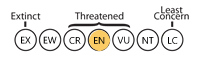
Both species of chinchillas are endangered. In the past, chinchillas were hunted for their pelts, and some were captured for the pet trade. The small remaining populations of wild chinchillas continue to be threatened by habitat degradation and poaching.
Where in the World
South America
Habitat
Arid mountains and coastal foothills
Conservation Status
Animal Facts
Body length: 12-21 inches.
Weight: up to 1.8 pounds
Lifespan: 10 years in the wild, up to 20 years for domestic varieties
Taxonomic Category
Mammal, Rodent
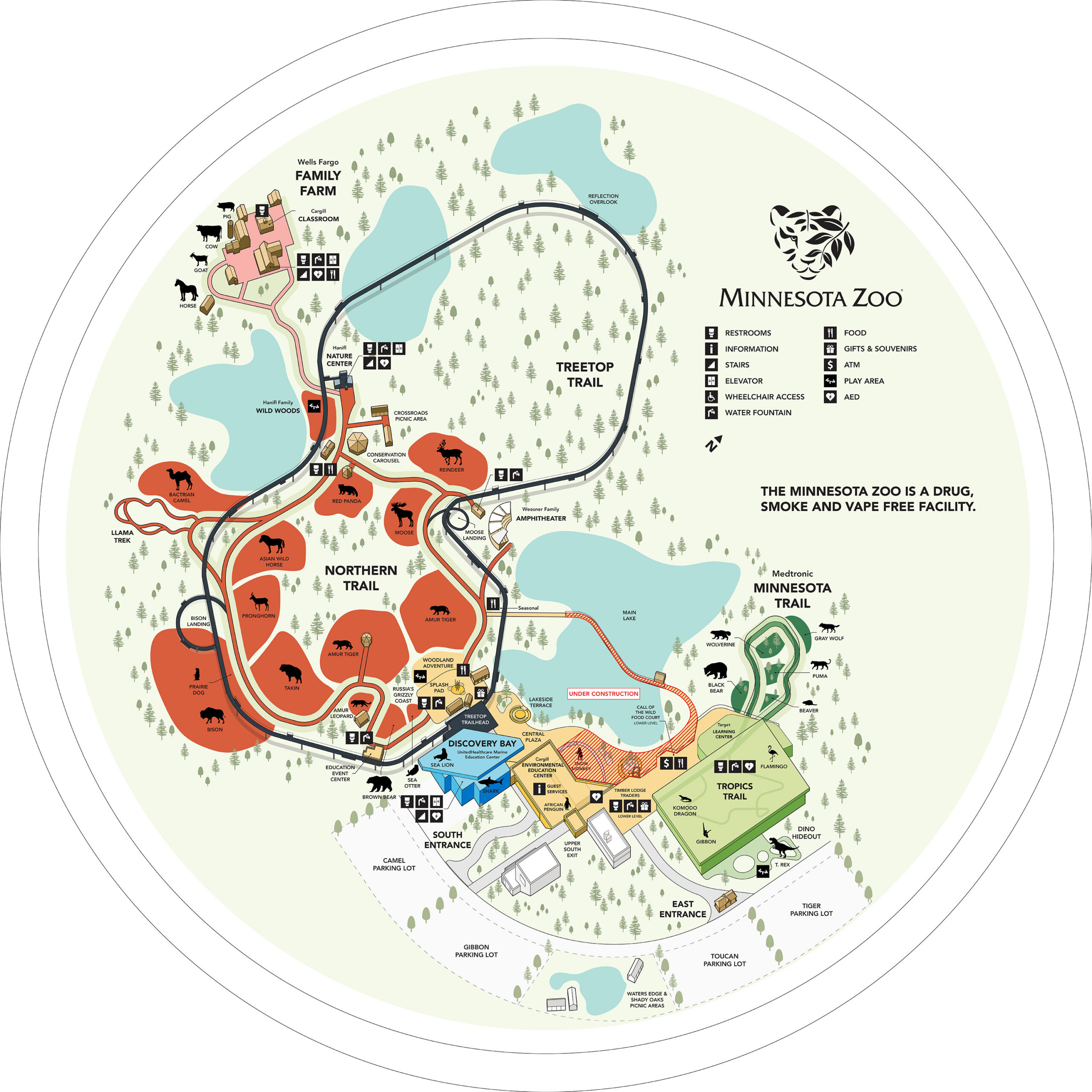
Where at the Zoo
- Chinchilla fur is incredibly soft, silky, and dense. While humans have one hair per follicle, chinchillas can have up to 50-60 hairs per follicle!
- The gestation period for a long-tailed chinchilla is 111 days and 118 days for a short-tailed chinchilla. This is relatively long for a small mammal. Offspring are well-developed at birth (fully-furred and with eyes open). This is presumably due to the long gestation.
- A litter of chinchillas contains 1-6 offspring, but two is average. A female can have up to two litters per year.
- Nearly every pet chinchilla in the United States is a descendent of wild chinchillas imported in the 1920s.
- Long-tailed chinchillas were thought to be extinct in the 1960s, but have since been rediscovered. Short-tailed chinchillas were presumed extinct and were rediscovered in the early 2000s.
Things the Zoo's done/doing
From 2010-2016, the Ulysses S. Seal Conservation Grant Program provided funds to replant vegetation and restore chinchilla habitat in the National Chinchilla Reserve near Illapel, Chile. This project was through “Save the Wild Chinchilla” and was championed by Christine Ness, Zoomobile Interpretive Naturalist at the Minnesota Zoo.