Binturong
Arctictis binturong
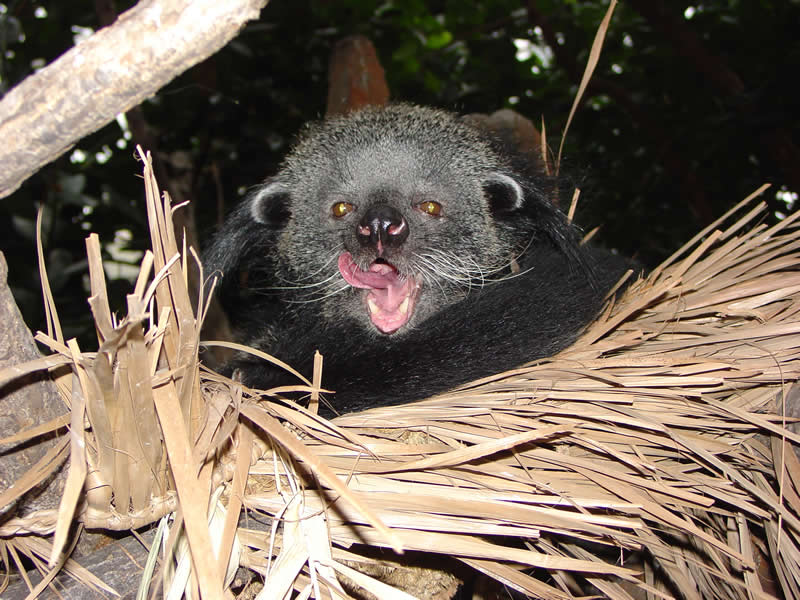
With their black tufts of fur, sharp curved claws, long bushy tails, and large white whiskers, binturongs look like a cross between a small bear and a large cat. Sometimes called “bearcats,” they are really members of the mongoose family.
What They Eat
Although classified as carnivores, binturongs are omnivores. They are especially fond of fruits such as figs, and are notorious banana thieves! These animals are known to hang by their long, muscular tails to reach a variety of foods, including insects, small animals, eggs, and leaves.
Where They Live
These tree dwellers are native to the dense, tropical forests of South and Southeast Asia, from India, China, and Myanmar down to Malaysia and Indonesia.
What They Do
Wild binturongs usually live alone, but can be found in small family groups. They communicate with scent and vocalizations which include loud screeching howls, screams and chuckling noises. Most active at night, these shy animals sleep in high branches during the day and are difficult to see. When resting, they keep a firm grip on branches with their tails.
How They’re Doing
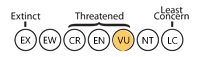
Binturongs are vulnerable to extinction due to habitat loss and hunting. This once common mammal is now rare as its forest habitat is lost to logging and plantations.
Where in the World
Asia
Habitat
Island Tropical Forest
Conservation Status
Animal Facts
Body & head: 24-38 in.
Tail: 22-35 in.
Weight: 20-45 lbs.
Lifespan: 18-20 years
Taxonomic Category
Mammal, carnivore Other mammals
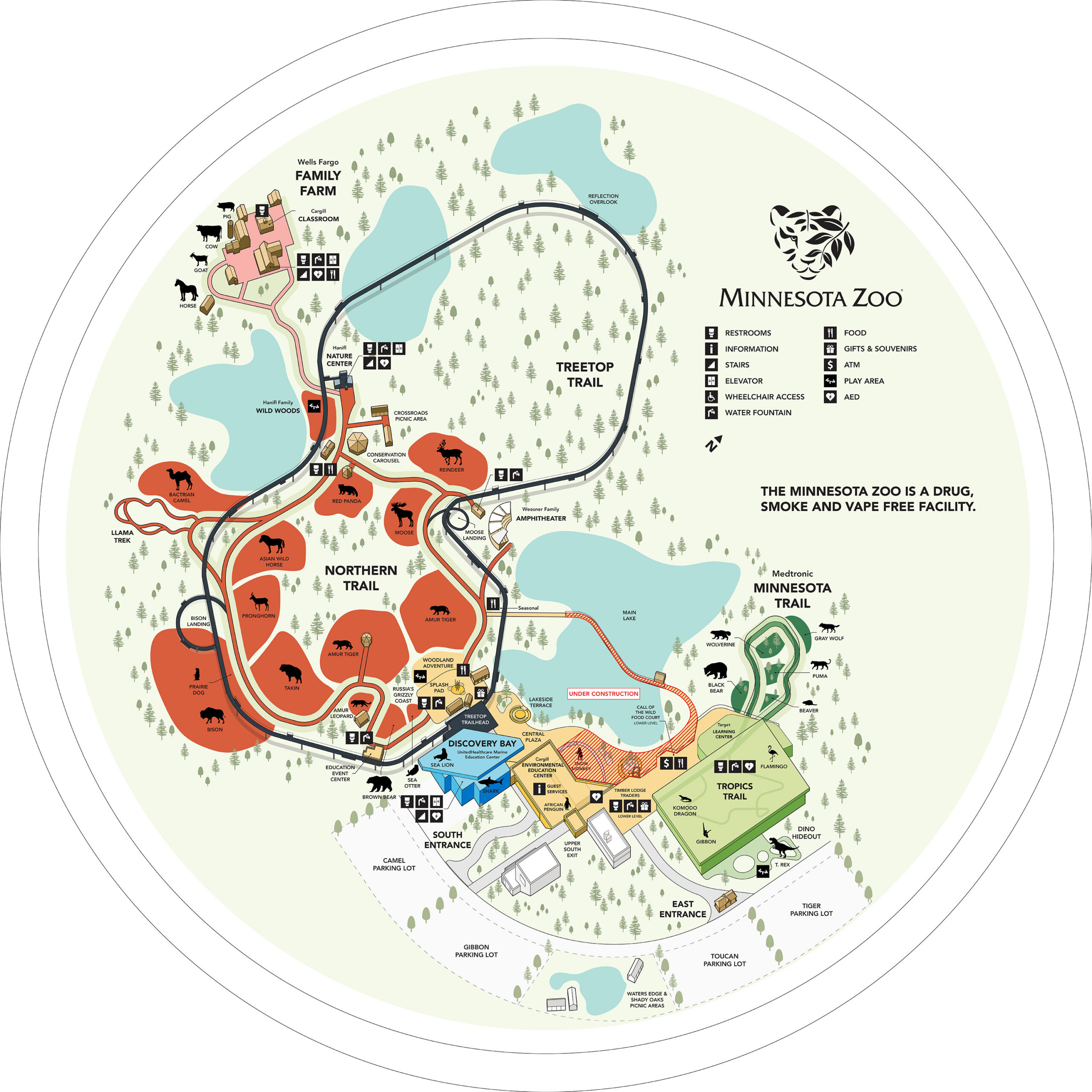
Where at the Zoo
- Binturongs are known to stomp and scream when threatened.
- Many people think binturongs smell like popcorn! They have special oil glands that produce the smell, which they leave behind on branches to communicate with each other.
- Due to their relatively large size for a tree-dwelling mammal, binturongs cannot leap easily from branch to branch. They must come down to the ground to move from tree to tree.
- Litters of binturongs commonly have two offspring, but may have up to six offspring.