
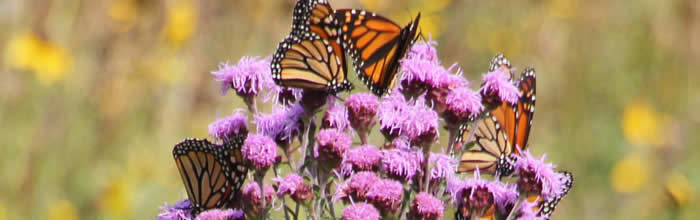
Top 5 Best Choice Natives:
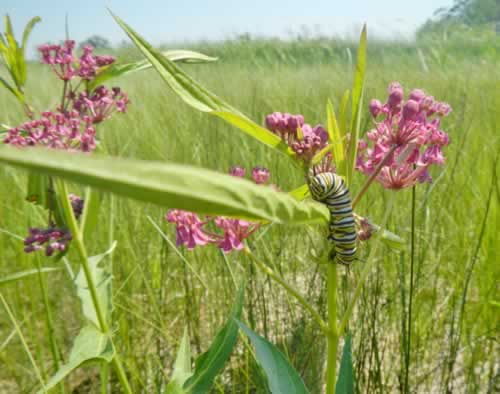
Asclepias incarnata
Full to partial sun
3-4 feet
Prefers moist soil
Blooms mid-summer
Swamp Milkweed is a very important host plant for Monarchs and is a great nectar and pollen source for many pollinators. Also called as Rose Milkweed, Swamp Milkweed prefers wetter soils than Common Milkweed and is a good choice for rain gardens or pond edges.
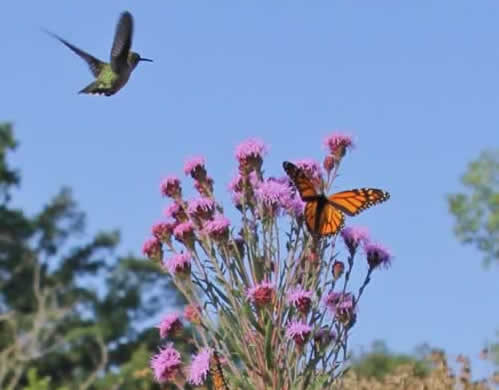
Liatris ligulistylis
Full to Partial Sun
3-5 feet tall
Moderately drought tolerant
Blooms Late Summer to Early Fall
This is the preferred plant for Monarch butterflies in late August and September as they load up on energy before migrating to Mexico for the winter. It is also loved by other butterflies and hummingbirds.
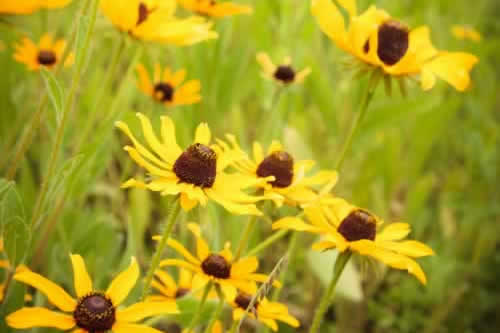
Rudbeckia hirta
Full to partial sun
1-3 feet tall
Drought tolerant
Blooms June through September
Black-eyed Susan is an iconic plant and an important nectar source for many butterflies and bees. They can thrive in a variety of soil types and do well in both moist and dry conditions.
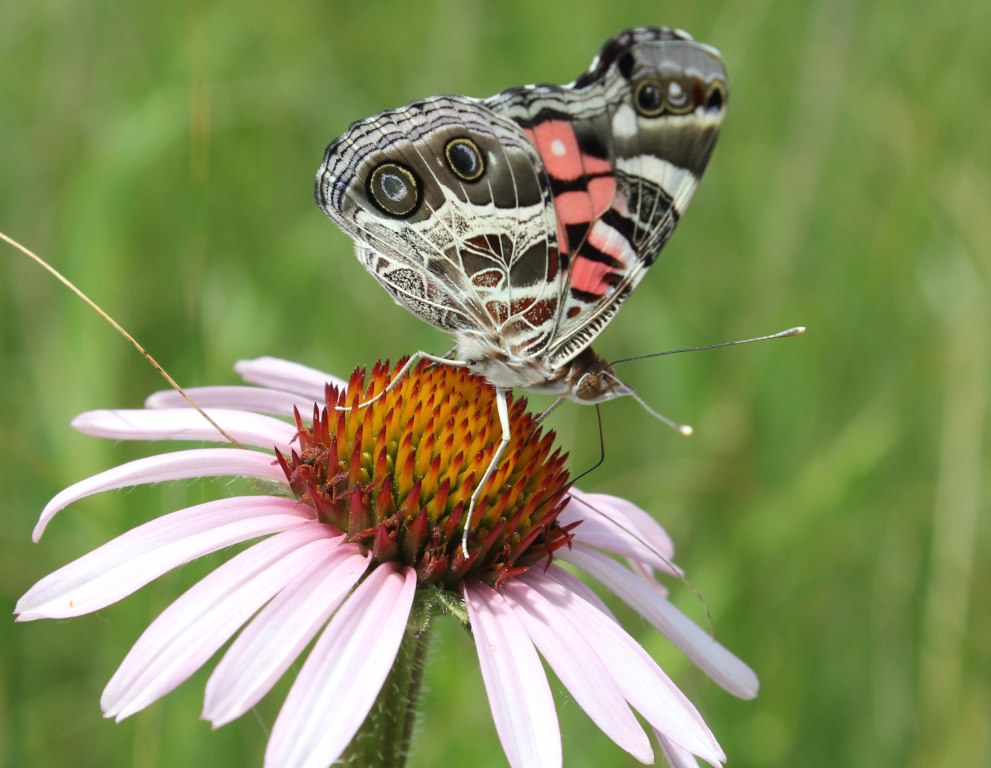 Echinacea angustifolia
Full sun
2-4 feet tall
Drought resistant
Blooms mid-summer
A vibrant garden accent and a Minnesota prairie native, narrow-leaved purple coneflower is a rich nectar and pollen source for butterflies and bees. Goldfinches love the seeds in autumn. Also popular with pollinators, the most commonly sold coneflower is eastern purple coneflower (Echinacea purpurea), but it is not actually native to Minnesota.
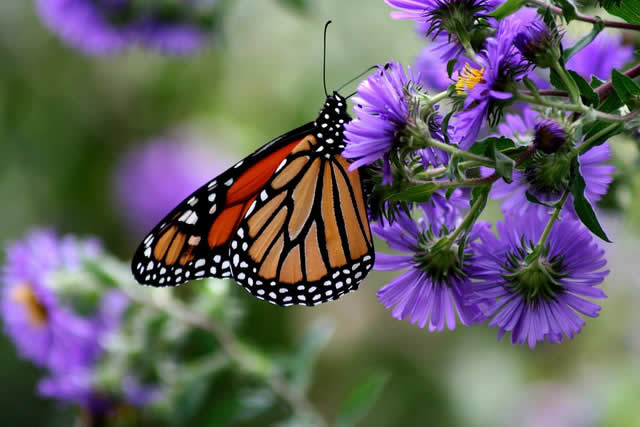
Symphyotrichum (Aster) novae-angliae
Full to partial Sun
1-6 feet
Prefers moist soil
Blooms Autumn
Bright purple flowers make New England Asters one of the most striking plants of fall. It is loved by almost all pollinators and is a host plant for Crescent butterflies.
More Great Natives – Spring Flowers
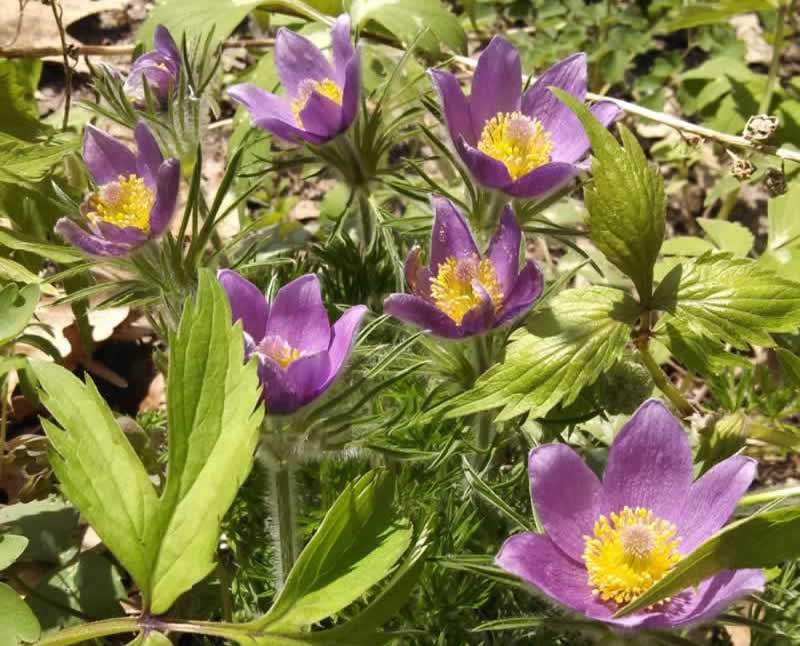 Anemone patens
Full sun
1 foot tall
Drought tolerant
Blooms early Spring
One of the earliest native flowers in Minnesota, its fuzzy leaves and white and pink pedals signal the arrival of spring. Its pollen provides some of the first food for pollinators emerging from hibernation.
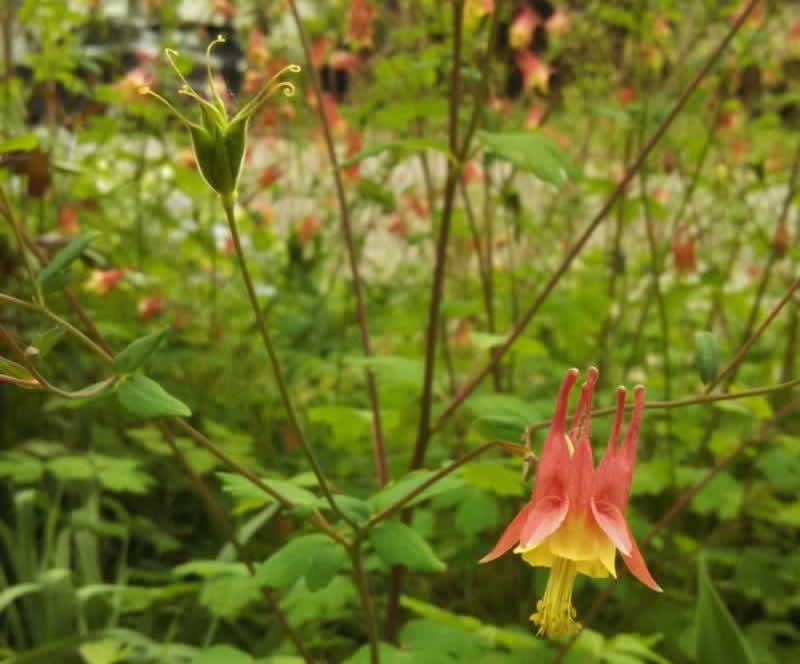 Aquilegia canadensis
Partial sun to partial shade
1-3 feet tall
Drought tolerant
Blooms Spring to early Summer
A hardy plant suitable for many tricky locations, the drooping elongated red and yellow flowers are adored by bees. The dissected leaves are nice garden accents.
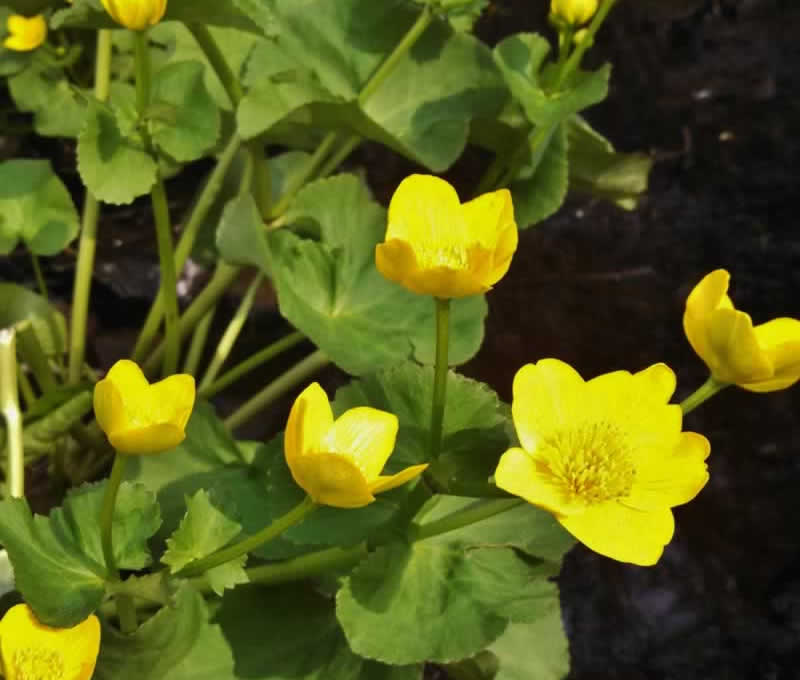
Caltha palustris
Partial sun
1-2 feet tall
Needs wet soil
Blooms Spring
A magnificent choice for pond edges and rain gardens, the bright yellow flowers add a splash of color (and needed pollinator resources) to the early spring landscape.
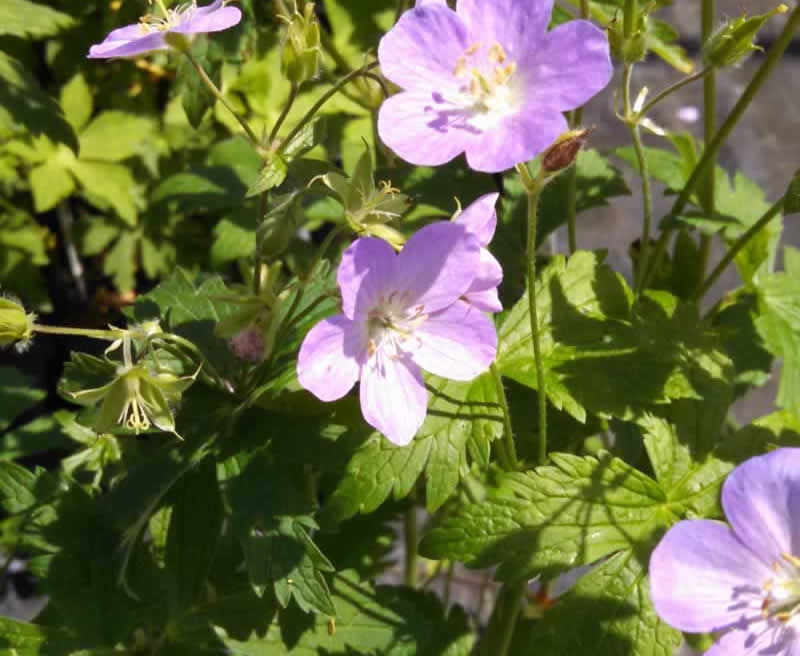
Geranium maculatum
Partial sun to shade
1-3 feet tall
Moderately drought tolerant
Blooms late Spring to early Summer
A prolific flower producer that does well in tricky urban and suburban spots between houses and under trees with variable shade.
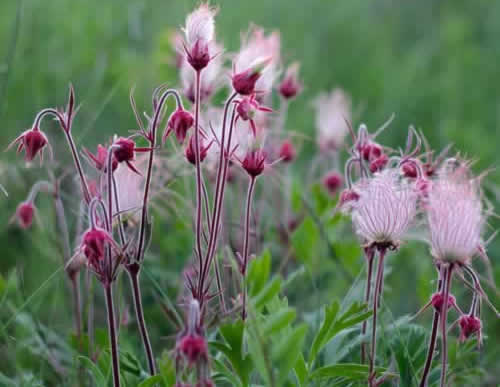
Geum triflorum
Full sun
0.5-1 foot tall
Moderately drought tolerant
Blooms Late Spring
Adored by bumble bees, the drooping pink and white flowers and the pink feathery seeds are a lovely sight early in the year.
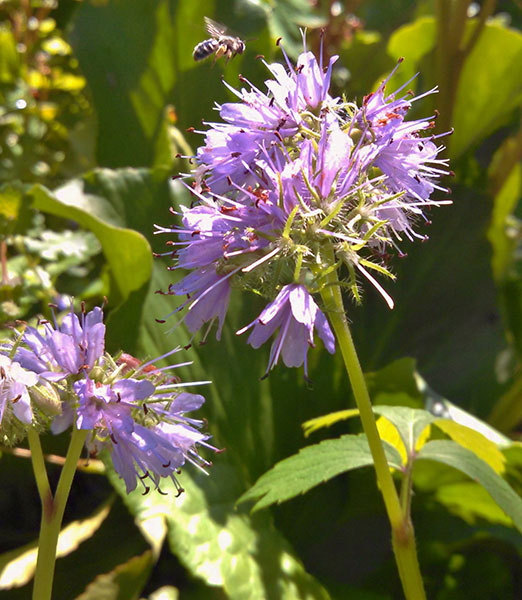
Hydrophyllum virginianum
Shade to part sun
1-2 feet
Blooms mid-late spring
A great nectar source for many of the first insects that awake from hibernation. Virginia Waterleaf does well in a verity of soil types.
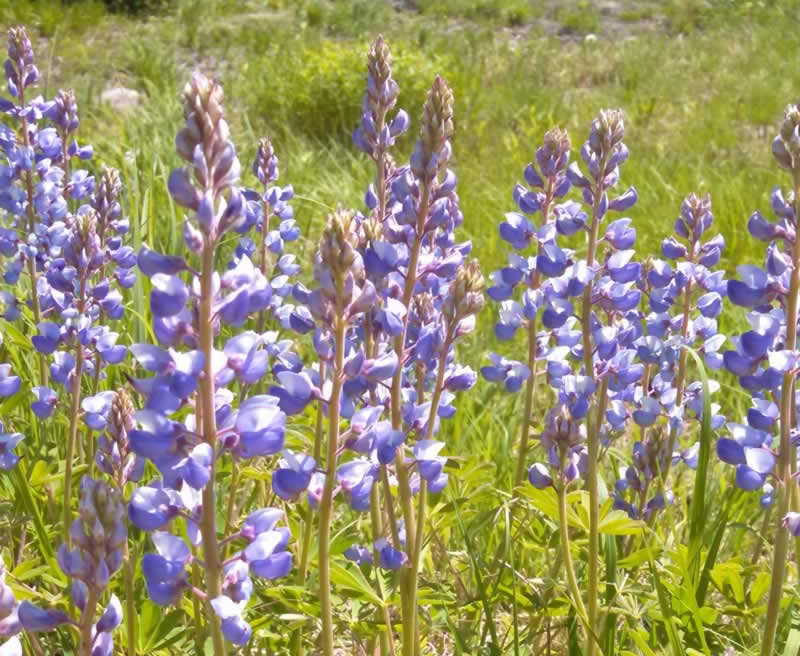
Lupinus perennis
Full to partial sun
1-2 feet tall
Drought tolerant
Blooms late Spring to early Summer
The caterpillar host plant for the Endangered Karner blue butterfly and many other butterflies, this regal plant does well in sandy soils and helps add nitrogen to soils. It lacks nectar but provides pollen for native bees.
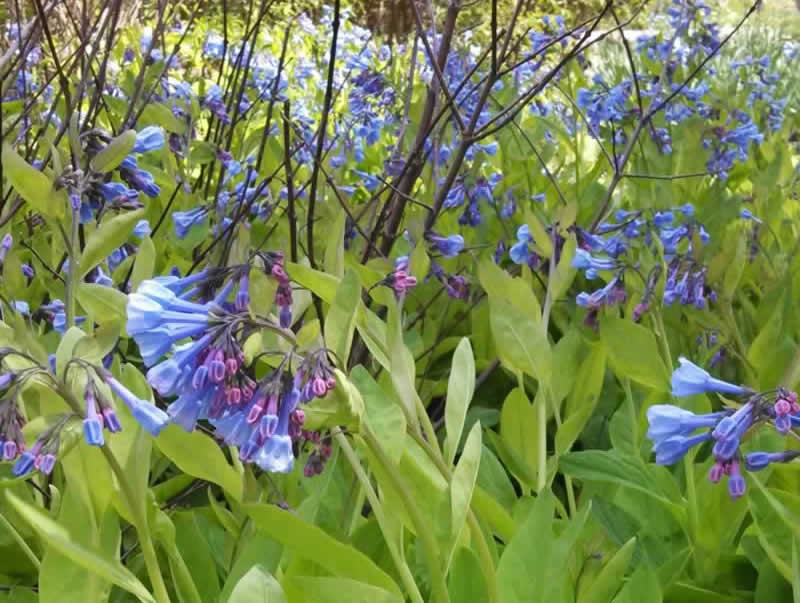
Mertensia virginica
Partial to full shade
1.5 feet tall
Prefers moist soil
Blooms Spring
A nice alternative to cultivated hostas, this lovely spring bloomer grows well in shady areas under trees and around buildings. Its blue tubular drooping flowers attract many pollinators, especially native bees. It goes dormant in late summer, so it is best mixed with autumn plants.
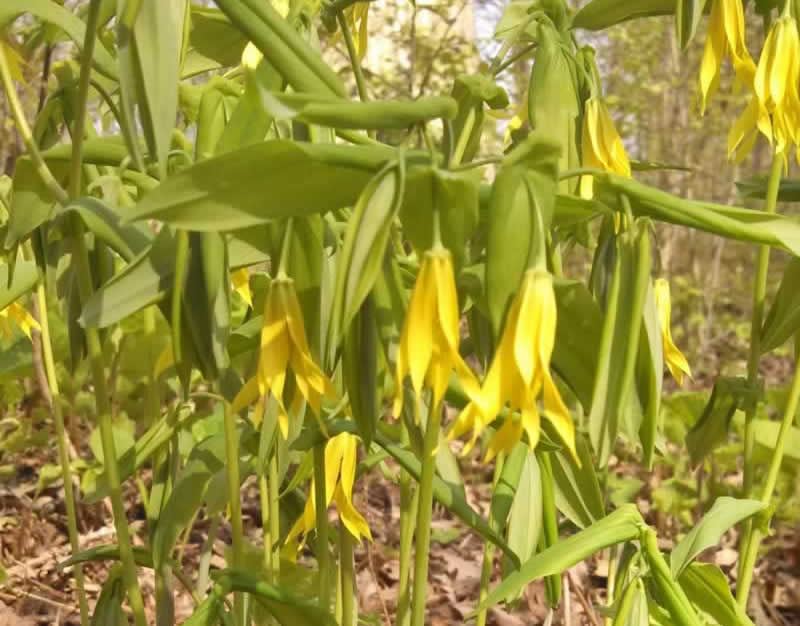
Uvularia grandiflora
Partial to full shade
1.5 feet tall
Moderately drought tolerant
Blooms Spring
The drooping, twisted yellow flowers of this spring shade-preferring perennial are unique and attract native bees.
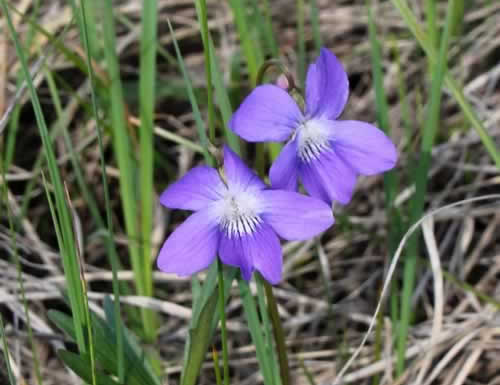
Viola pedatifida
0.5 foot
Full to partial sun
Moderately moist soil
Blooms late Spring and sometimes late Summer.
This delicate native is one of the main caterpillar hosts for the majestic and dwindling Regal Fritillary butterfly. Violets are pollinated by bees.
More Great Natives -Summer Flowers
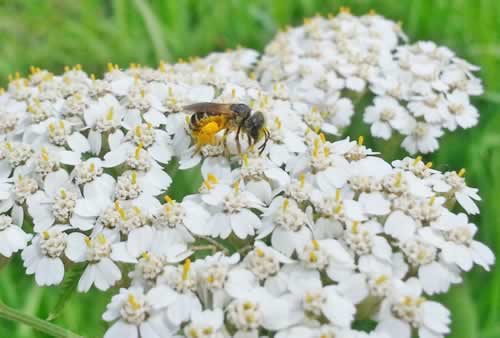
Achellia millefolium
Full to partial Sun
1-3 feet tall
Drought resistant
Blooms early to mid-summer
The flat topped flowers of Yarrow are loved by bees and occasionally butterflies. There are also a number of cultivated hybrids commercially available.
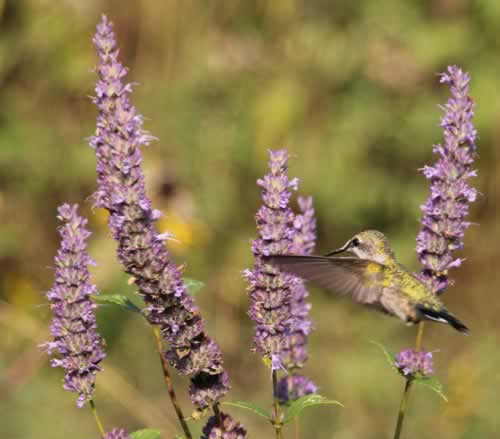
Agastache foeniculum
Full to partial sun
3-4 feet tall
Drought resistant
Blooms mid-summer
Fragrant Hyssop is a popular nectar source for many pollinators including butterflies, bees, and hummingbirds . It prefers dry disturbed areas with well-draining soils.
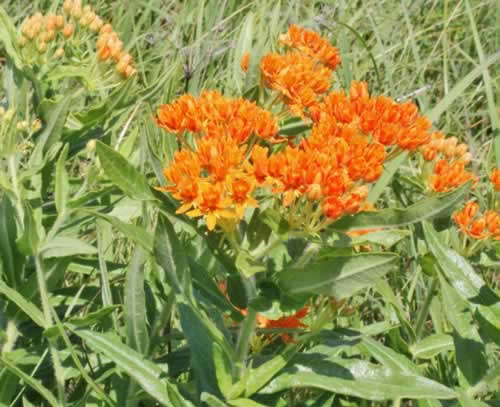
Asclepias tuberosa
Full sun
1-3 feet tall
Drought tolerant
Blooms mid-summer
Though less commonly used by monarch caterpillars than some other milkweeds, hardy Butterfly Weed’s nectar rich flowers attract many butterflies and bees. Butterfly Weed also adds a bright splash of orange color to any garden.
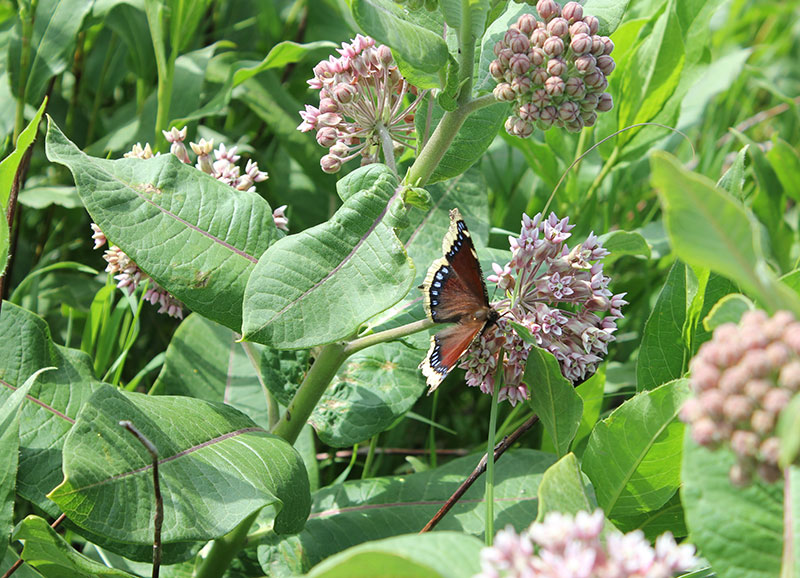
Asclepias syriaca
Full to partial sun
2-4 feet tall
Drought tolerant
Blooms mid-summer
Aptly named Common Milkweed, this is one of the most frequently encountered milkweed species in Minnesota. They thrive in open areas with disturbed soil, and it is a prominent host plant for Monarchs. The large purple inflorescences attract many pollinator species. Also check out other milkweeds – especially Swamp (Rose) Milkweed and Butterfly Weed described below! All are great!
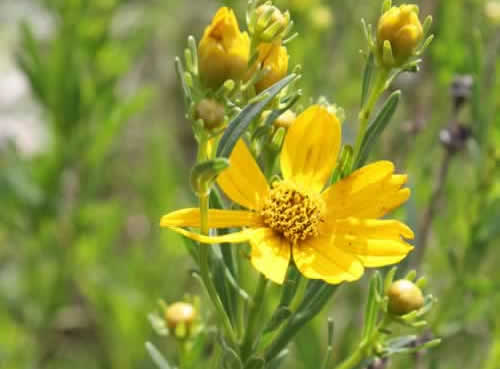
Coreopsis palmata
Full sun
2-3 feet tall
Drought tolerant
Blooms mid Summer
The large flat yellow flowers are popular with many types of pollinators.
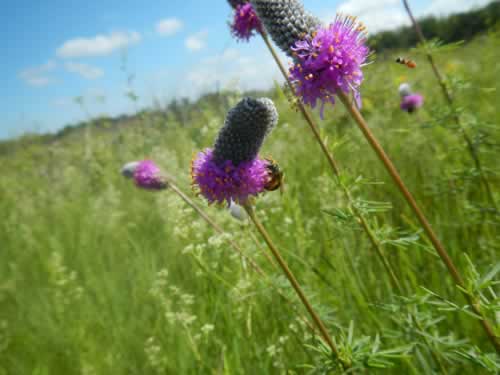
Dalea purpurea
Full sun
1-3 feet tall
Moderately drought resistant
Blooms early to mid-summer
Purple Prairie Clover is especially suited for many bee species. It thrives in a variety of soil types and moisture levels.
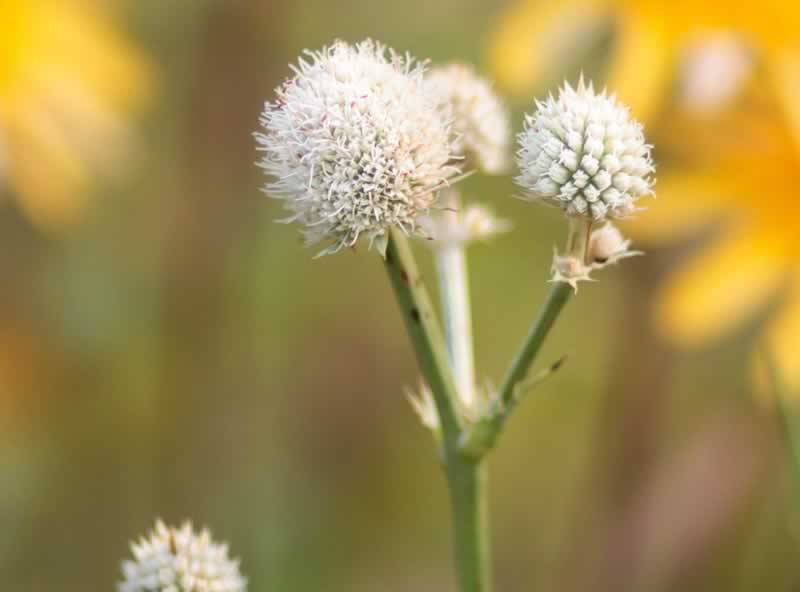
Eryngium yuccifolium
Full sun
3-5 feet tall
Drought tolerant
Blooms late Summer
The unique globe white flower clusters atop tall stalks are a nice contrast to shorter plants and attract a wide variety of pollinators.
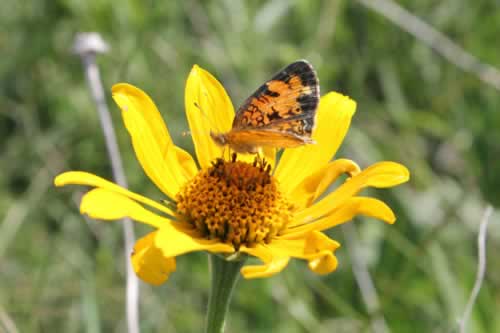
Heliopsis helianthoides
Full to partial sun
2-4 feet tall
Drought tolerant
Blooms mid to late summer
False Sunflower is a terrific pollen and nectar source for many pollinator species.
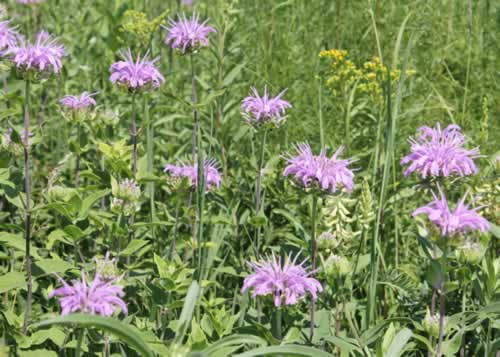
Monarda fistulosa
Full to Partial Sun
2-3 feet tall
Moderately drought tolerant
Blooms Middle to Late Summer
A terrific pollen and nectar source, it is popular with bumble bees, butterflies and moths, and hummingbirds.
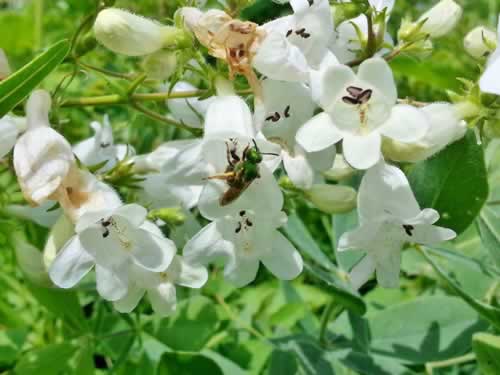
Penstemon digitalis
Full sun to partial shade
2-3 feet tall
Moderately drought tolerant
Blooms Spring – Early Summer
The deep white tubular flowers of this tall perennial are adored by bees.
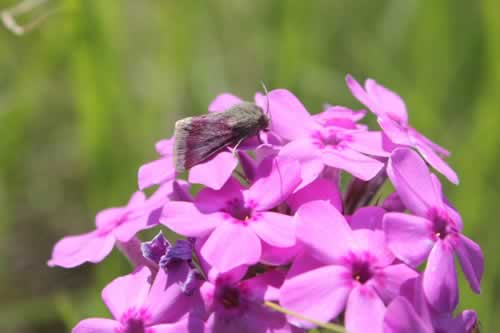
Phlox pilosa
Full to partial sun
0.5-2 feet tall
Moderately drought tolerant
Blooms early summer
Prairie Phlox is an especially popular nectar source for butterflies and moths. The long flower tubes prevent most bees from accessing the nectar at the bottom. It is the only host plant for the rare pink and purple Prairie Phlox Moth.
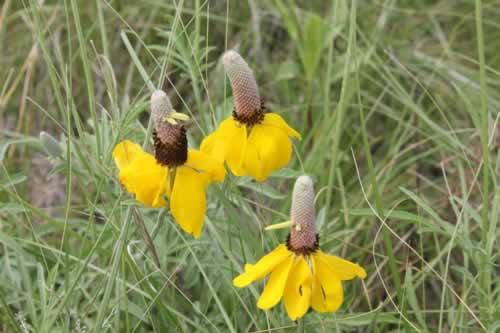
Ratibida pinnata
Full sun
2-5 feet tall
Drought tolerant
Blooms Summer
These tall flowers with hanging yellow petals produce pollen and nectar for much of summer and attract a wide variety of beneficial insects.
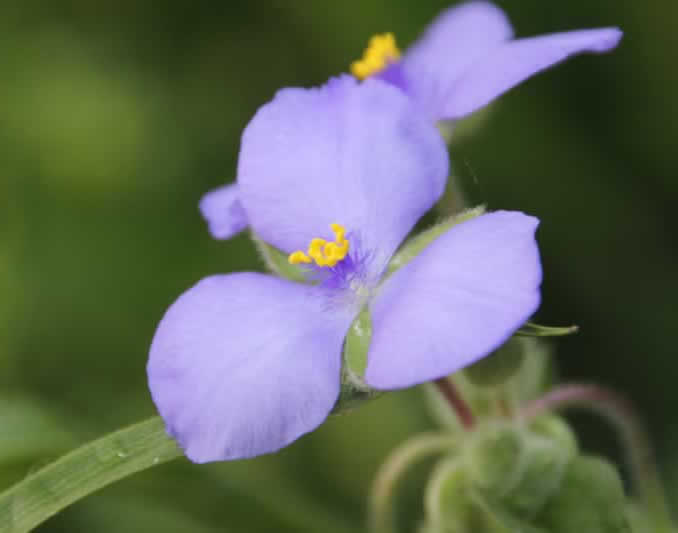
Tradescantia ohiensis
Partial to full sun
2-4 feet tall
Drought tolerant
Blooms early Summer
Clusters of purple flowers atop tall stalks and long strap-like leaves make Ohio spiderwort a unique garden accent plant. It does not produce nectar, but the rich pollen is collected by bees.
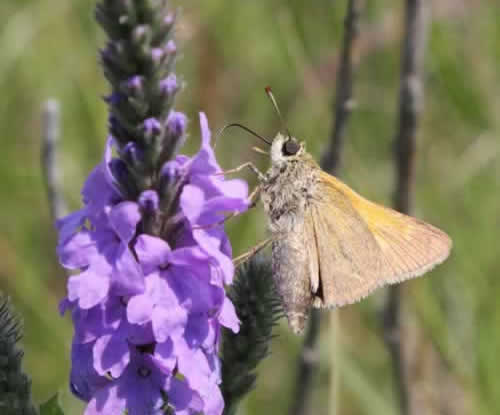
Verbena stricta
Full Sun
2-4 feet tall
Drought tolerant
Blooms mid Summer
Hoary Vervain is a popular nectar source for many butterflies and bees. It prefers disturbed sandy soils.
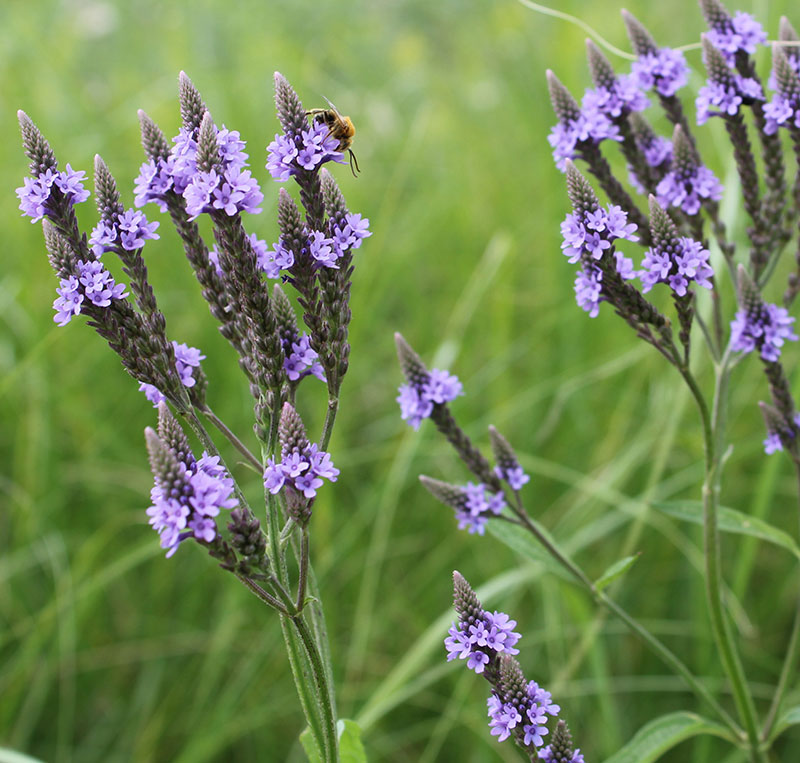
Verbena hastata
Full sun
3-5 feet tall
Blooms mid to late summer
Also known as Swamp Vervain, this popular nectar plant prefers wetter soils or marshland.
More Great Natives – Autumn Flowers
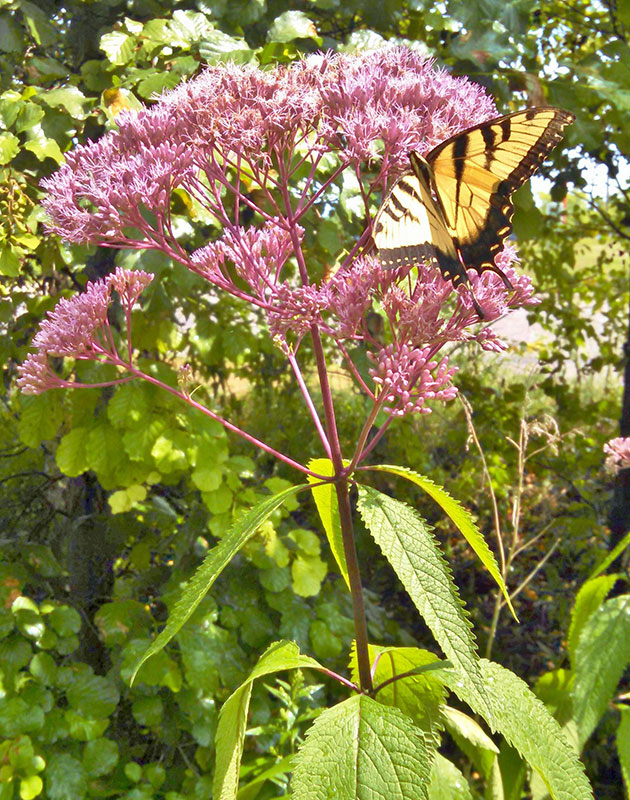
Eutrochium maculatum
Full sun
4-10 feet tall
Blooms late-summer
Joe Pye Weed is a tall growing, excellent nectar source for late season butterflies and bees. Prefers wetter soils, but can survive periods of drought.
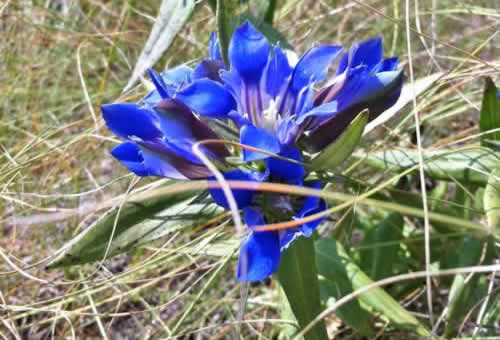
Gentiana andrewsii
Full to partial sun
1-2 feet tall
Blooms late summer
Bottle Gentian is a vibrant, late season bloomer. Flowers will range from white to purple, but blue is most common. This plant is almost exclusively pollinated by bumble bees.
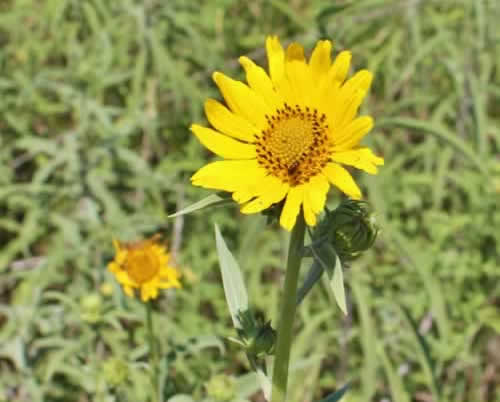
Helianthis maximillanii
Full sun
4-8 feet tall
Drought tolerant
Blooms Late Summer – Autumn
This late season perennial is popular with all types of insect pollinators. This sunflower’s height can make it a little difficult in some garden settings, but it would do well along a sunny fence line. Goldfinches love the seeds in Autumn.
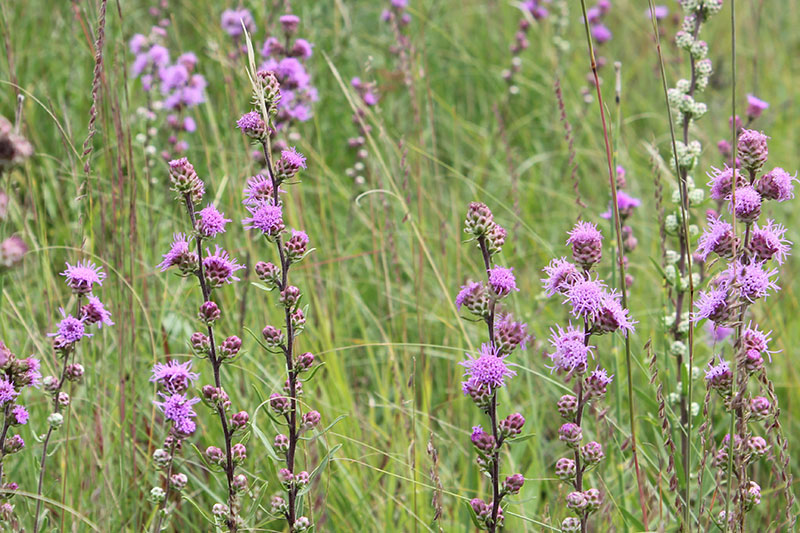
Liatris aspera
Full sun
2-3 feet tall
Drought tolerant
Blooms late-summer to early fall
Rough Blazing Star is a Monarch magnet! Prefers dry, well draining soil.
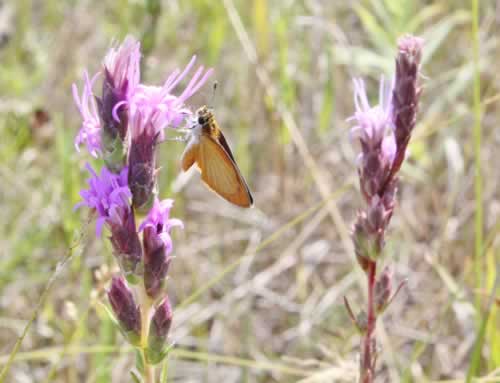
Liatris cylindracea
Full to Partial Sun
2-3 feet tall
Drought tolerant
Blooms Late Summer and Autumn
Blazing Stars produce large amounts of nectar and are very popular with butterflies, especially migrating Monarchs in late summer. This species is one of several native to Minnesota and is one of the shortest.
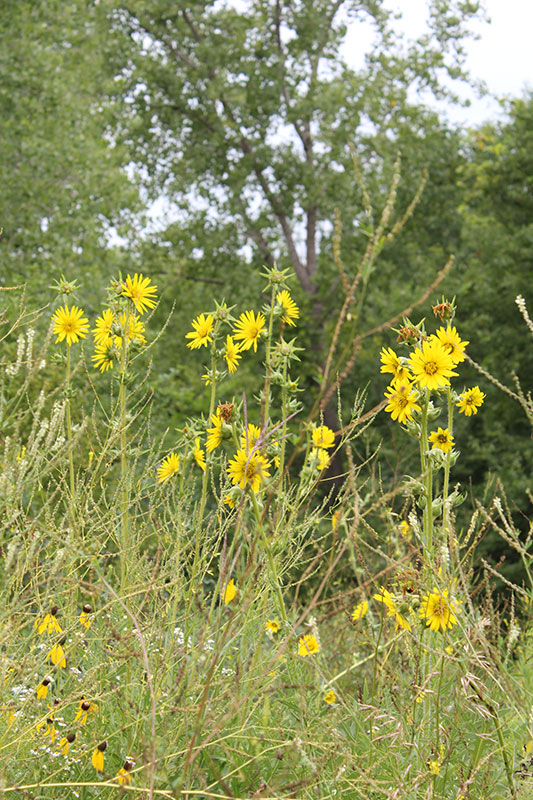 Silphium perfoliatum
Full sun
3-8 feet tall
Drought tolerant
Blooms mid-late-summer
The yellow blooms of this tall, impressive sunflower will be visited by bee and butterfly species alike. Cup plants are named for the reservoirs of water that accumulate at the base of their stem by their fused leaves. These ‘cups’ serve as important sources of water for birds and many insects. It can be a bit dominant in some garden settings, but it would do well along a sunny fence line.
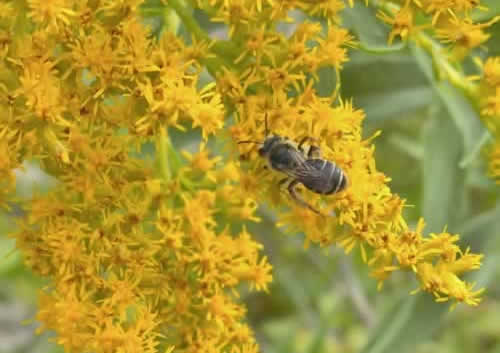
Solidago sp.
Full to partial sun
3-4 feet tall
Drought tolerant
Blooms mid Summer to early Autumn
Goldenrods are an important nectar and pollen source for late season pollinators.
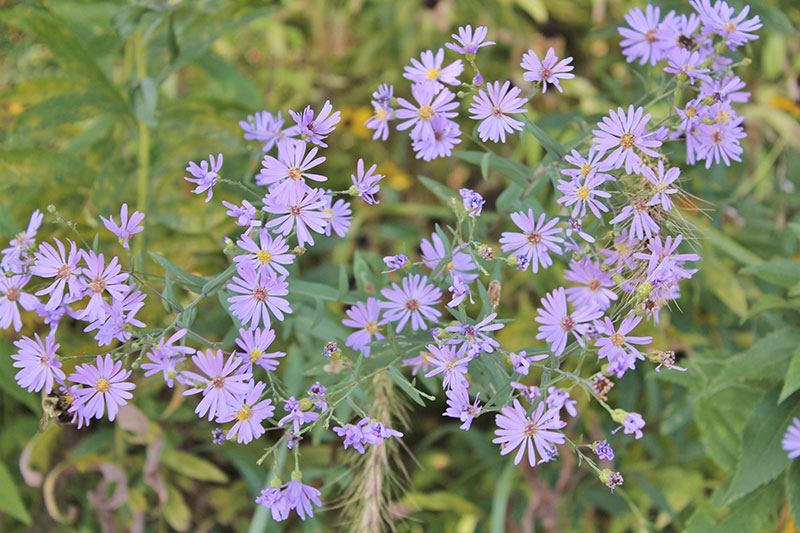 Symphyotrichium laevis
Partial to full sun
1-3 feet tall
Blooms late summer through fall
A beautiful and delicate species, Smooth Blue Aster is a versatile plant that will provide nectar and pollen to a wide range of pollinators in both shade and full sun.
Shrubs and Trees:
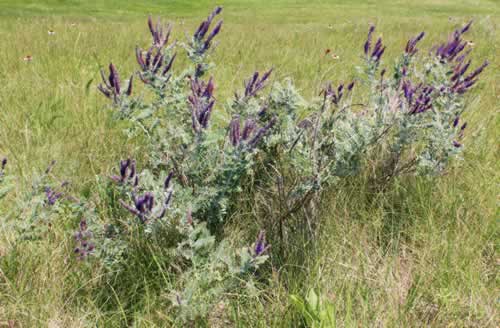
Amorpha canescens
Full sun
2-4 feet tall
Drought resistant
Blooms early to mid-summer
Leadplant is an important cornerstone shrub of healthy prairie habitats. As a legume, Leadplant naturally fixes nitrogen into the soil and is beneficial to other garden plants.
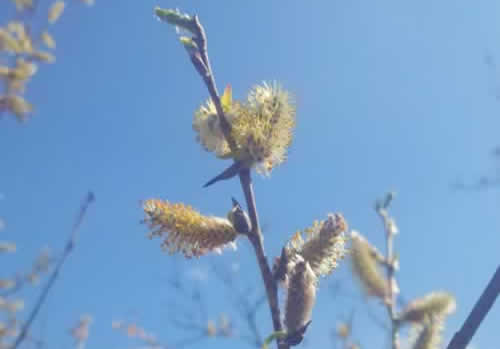
Salix sp.
Sun to Shade
4-20 feet tall
Prefers moist soil
Blooms Spring
Flowering trees are important too! The early spring flowers of willows are some of the first and most valuable pollen sources for bees after winter hibernation.
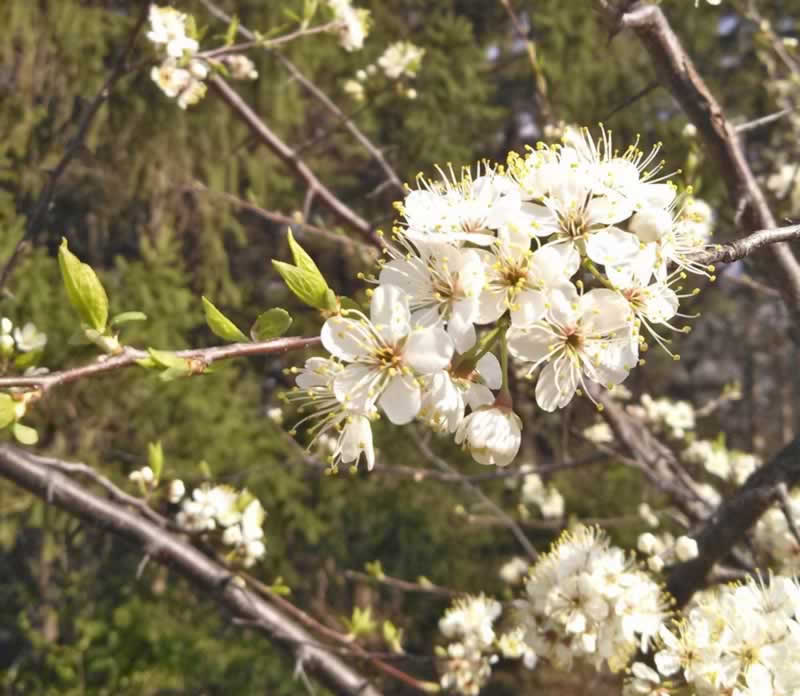
Prunus americana
Full sun to partial sun
3-24 feet tall
Prefers moderately moist soil
Blooms Spring
Spring has arrived when this small tree erupts in white flowers before most plants have begun to grow leaves. The flowers produce pollen and nectar for spring bees and other pollinators, the leaves provide great shade for people and dogs during summer, and the fruits are adored by birds and other wildlife.
Native Grasses
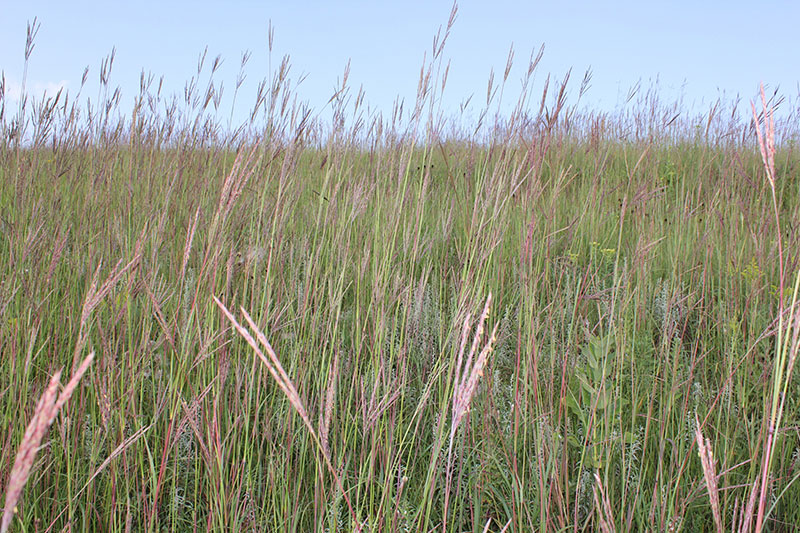 Andropogon gerardii
Full sun
4-9 feet
Drought tolerant
One of the tallest grasses, Big Bluestem is the plant for which our diverse tallgrass prairie ecosystem is named. Used by many bird and invertebrate species for shelter, its deep roots also hold soil together to prevent erosion. The stems turn dark purple in late summer.
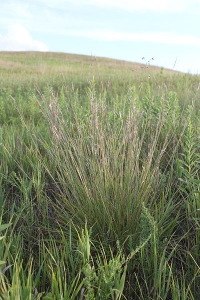
Schizachyrium scoparium
Full sun
2-3 feet
Drought resistant
A common prairie species, Little Bluestem has become increasingly popular in home landscaping. Its stems mature red-gold and can retain its color through the winter. Its late season seeds develop and become fluffy and silver-white.
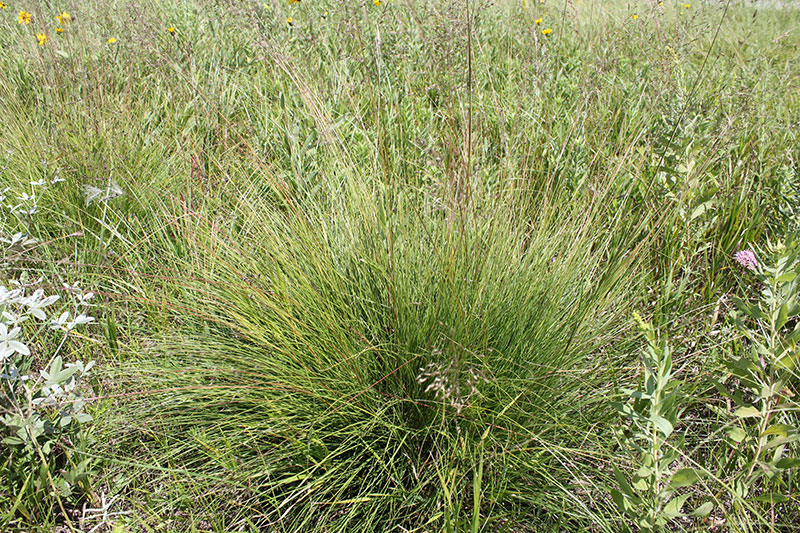 Sporobolus heterolepis
Full to partial sun
2 feet
Drought resistant
Prairie Dropseed is an attractive native bunchgrass. Its narrow elegant leaves cascade outward like a fountain.