Yellow-naped Amazon
Amazona auropalliata
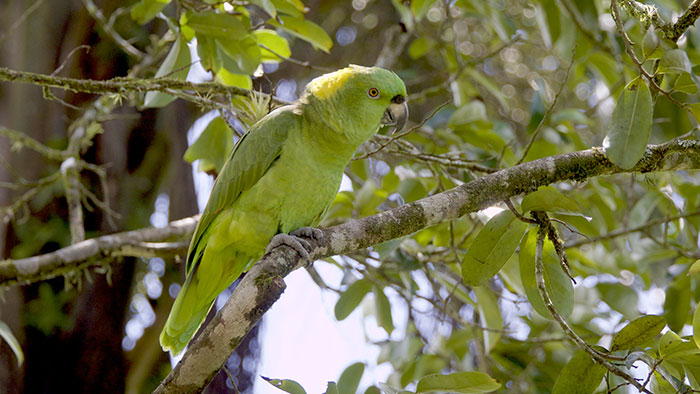
Also known as the yellow-naped parrot and golden-naped Amazon, this large green parrot is named for the yellow feathers on the back of its neck. Juveniles are all green and start to develop the signature golden-yellow nape feathers after they reach one year of age.
What They Eat
Yellow-naped Amazons eat fruits, nuts, seeds and berries. They use their strong beaks to crack open nuts and to climb from branch to branch.
Where They Live
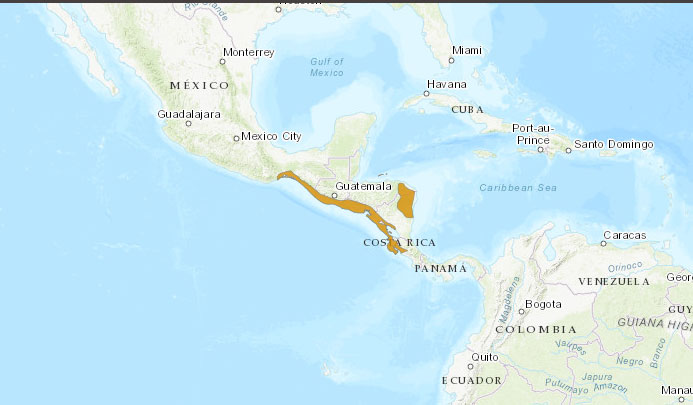
Three distinct subspecies of this parrot occur in Central America: one population is located along the Pacific coast from southern Mexico to northwestern Costa Rica, one population is located in eastern Honduras and Nicaragua, and one population is located on the Hog Islands off of the northern coast of Honduras. These parrots live in semi-arid woodlands, arid scrub and savannahs, mangroves, forest clearings, forest along rivers and swamps, and sometimes second growth in agricultural areas.
What They Do
These parrots are very social. They are seen in pairs and small family groups in the wild, but occur in larger groups when resting and feeding. Yellow-naped Amazons make an assortment of loud squawks, whistles and screams which vary regionally.
How They’re Doing
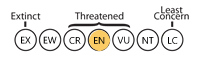
Yellow-naped Amazons are endangered. The greatest threats to these parrots are habitat loss and collection for the pet trade.
Where in the World
Central America
Habitat
Woodlands, clearings, savannah, mangroves
Conservation Status
Animal Facts
Body Length: 14 inches
Weight: 1–1.3 pounds
Wingspan: 8 inches
Number of eggs: 2–4 per clutch
Taxonomic Category
Bird
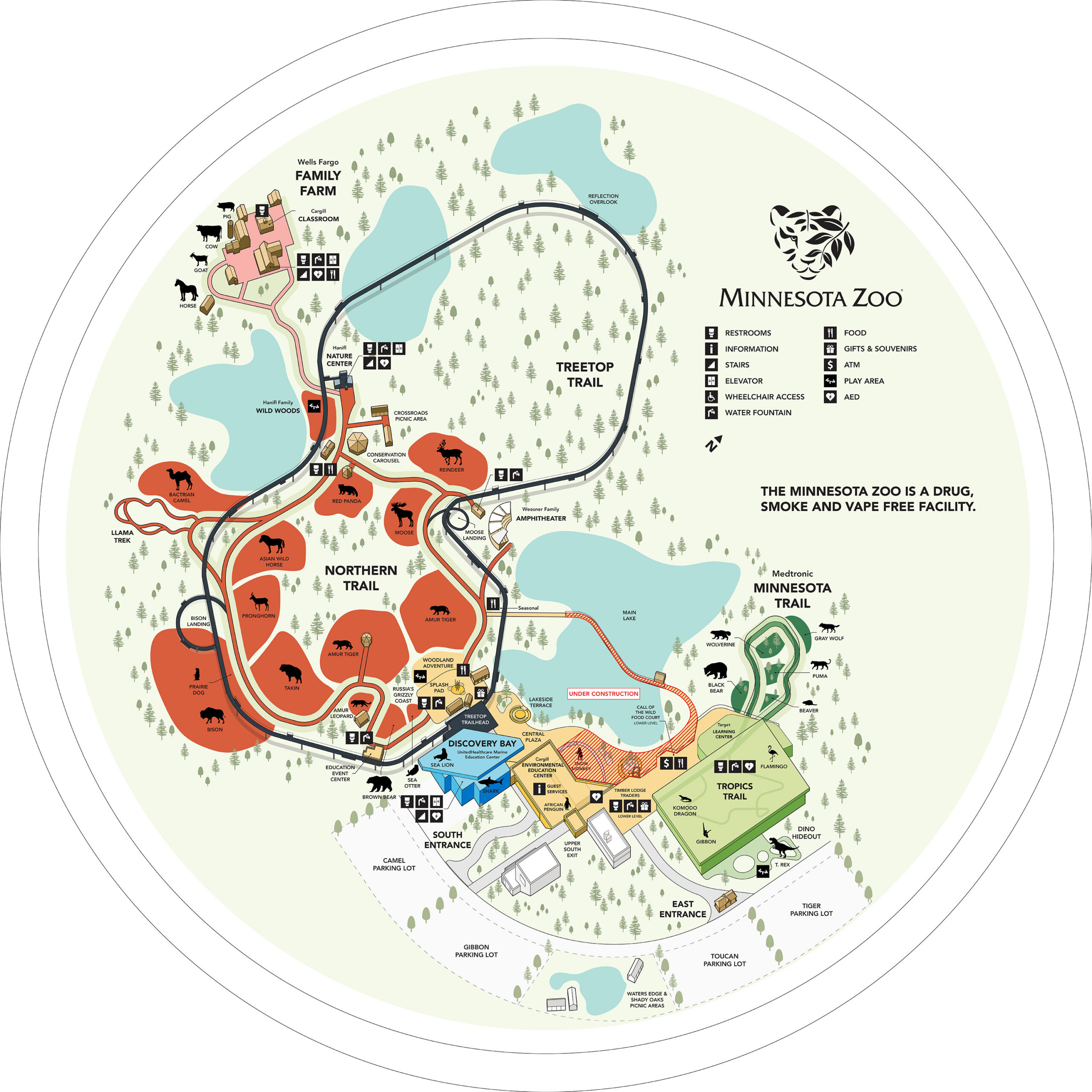
Where at the Zoo
- The lifespan of the yellow-naped Amazon is much longer in human care (60-80 years) when compared to in the wild (20-30 years). This makes them a life-long companion when cared for by humans.
- Amazon parrots are known for their ability to mimic or “talk.” However, the parrot in Zoomobile has a limited vocabulary, even with diligent encouragement by the trainers.
- The dry, muscular tongue of the yellow-naped Amazon is quite dexterous and can manipulate tiny pieces of food.