West African Dwarf Crocodile
Osteolaemus tetraspis
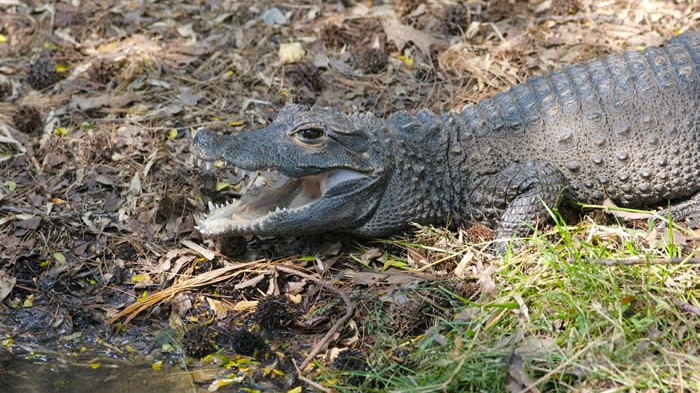
Small but tough, dwarf crocodiles live in shallow streams and swamps in the tropical forests of western Africa. They hunt at night and spend their days in streamside burrows. Their speed and thick, dark scales protect them from attacking predators while their strong jaws and sharp teeth make them formidable hunters.
What They Eat
West African dwarf crocodiles eat insects, crabs, and amphibians but will also consume fish, small mammals, and reptiles like snakes and lizards. They generally swallow their prey whole.
Where They Live
These water-loving reptiles live in and along shallow streams and swamps in heavily forested areas. Dwarf crocs are the most terrestrial crocodile species, avoiding deep water and sometimes wandering far inland in search of food or mates. They spend most of their time very close to their burrows and will run quickly into their underground dens if threatened.
What They Do
Dwarf crocodiles start their lives inside small eggs buried in nests of warm, rotting vegetation. Females guard the nests for about three months until the eggs hatch. The newborns make loud “urk” noises that signal the mother that they are out of their shells. She then digs them out of the nest and carries them to the water, marking the beginning of a life that may last 50 to 100 years.
How They’re Doing
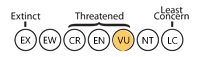
Habitat destruction in parts of their range and hunting (for their meat and sometimes their skin) in others have made the West African dwarf crocodile vulnerable. More research is needed to fully understand this species’ conservation needs.
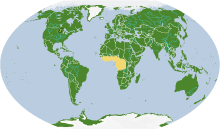
Where in the World
Africa
Habitat
River, Lake, Wetland
Conservation Status
Animal Facts
Body length: 5 feet
Weight: 40–70 pounds
Lifespan: 50-100 years
Taxonomic Category
Amphibian/Reptile
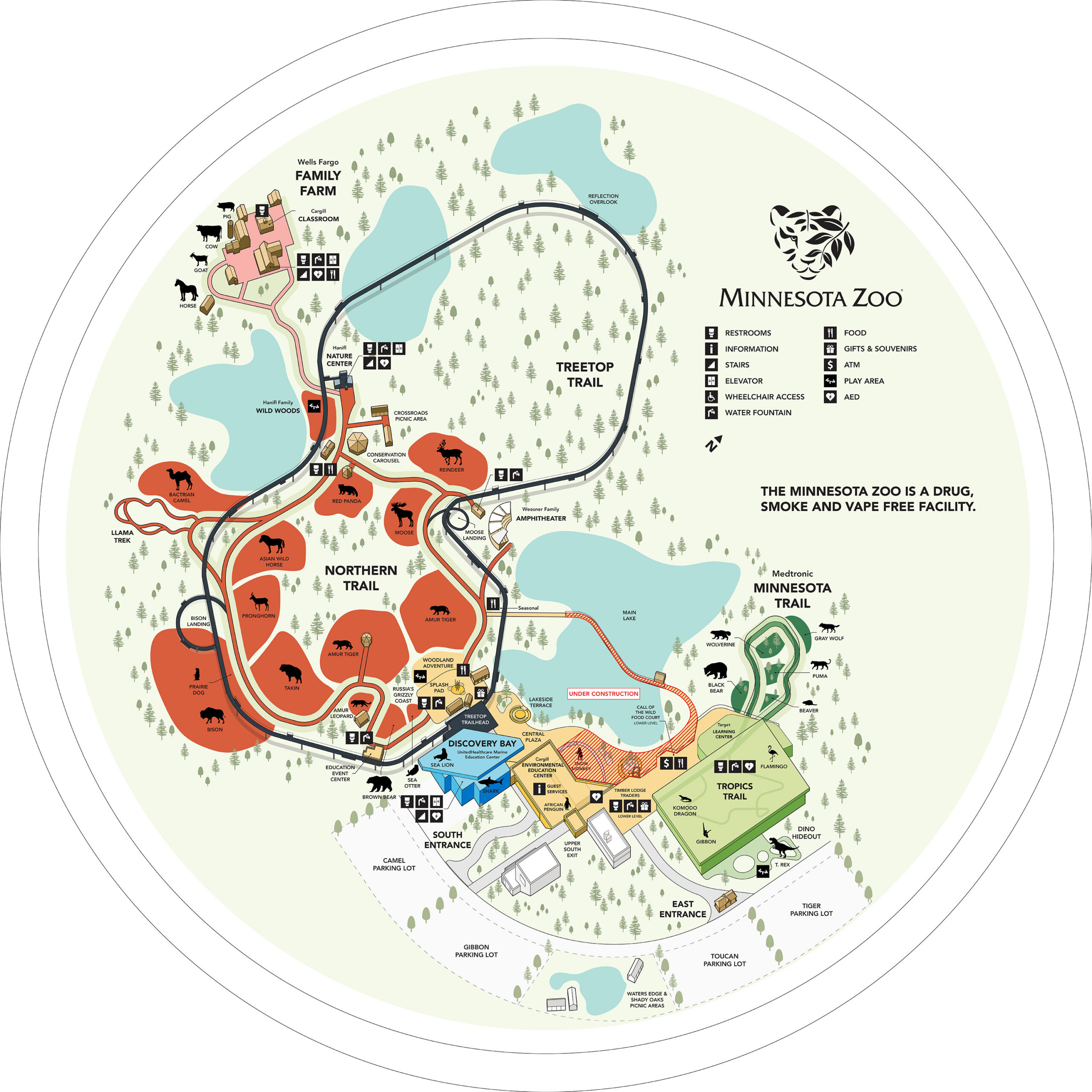
Where at the Zoo
- Crocodiles have see-through eyelids they can close to protect their eyes in the water without blocking their vision.
- A special valve in a crocodile’s throat keeps it from swallowing water when it swims with its mouth open.
- Some ancient crocodile species grew to be up to almost 50 feet. That’s longer than a school bus!
- The temperature at which a crocodile egg incubates determines the gender of the animal that hatches from it.
- Some crocodiles can stay under water for an hour without coming up for air.
- Crocodiles lived alongside dinosaurs but survived beyond them, evidence that they were (and remain) well adapted to their environments.