California Sea Lion
Zalophus californianus
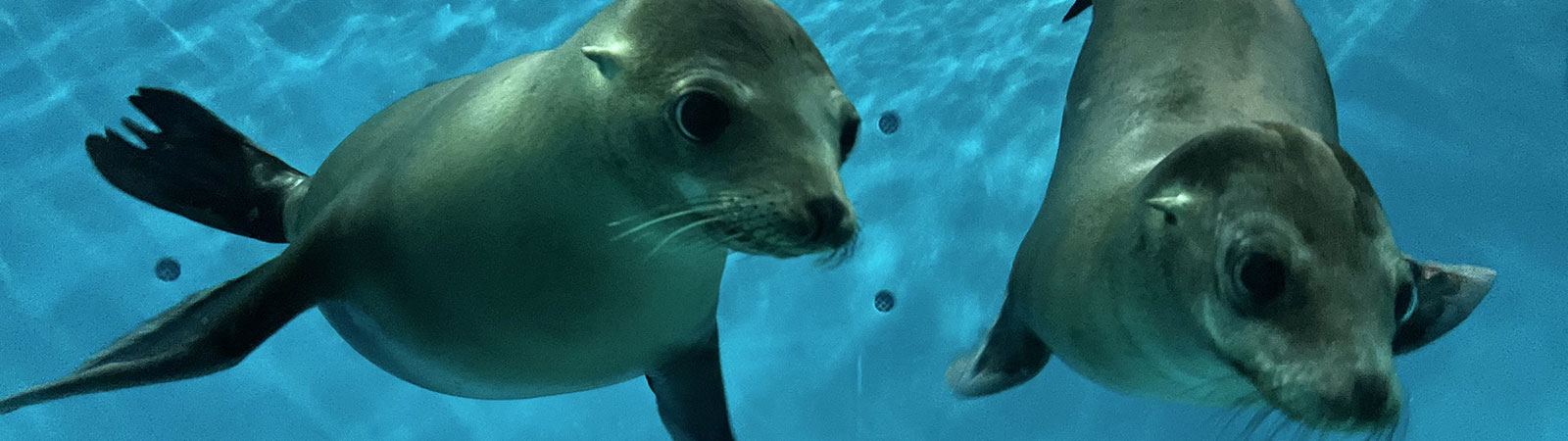
California sea lions vary in color from black or dark brown to tan and even silver. Adult males can be over three times the size of adult females. Males also develop an enlarged forehead and bony ridge along the top of the skull.
What They Eat
These animals are opportunistic predators that eat over 50 species of marine life, including squid, octopus, anchovies, herring, mackerel, sardines, and salmon
Where They Live
California sea lions are found in shallow waters along the Pacific coast of North America. They frequent islands near shore, rocky coasts, sandy beaches, sheltered coves, and human-made structures such as piers and buoys.
What They Do
Sea lions gather in large groups that change in social structure throughout the year. During the May through August breeding season, dominant males establish and defend territories. The following June, females gather in pupping rookeries.
How They’re Doing
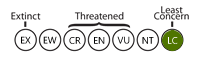
California sea lions are protected throughout their range. Overall, they are not threatened with extinction and their population is believed to be growing slightly. Threats to sea lions include conflicts with fisheries, poaching, and pollution.
Where in the World
North America
Habitat
Ocean
Conservation Status
Animal Facts
Body Length: males up to 8 feet long; females up to 6.5 feet long
Weight: males up to 800 pounds; females up to 240 pounds
Number of offspring: 1 pup
Taxonomic Category
Mammal
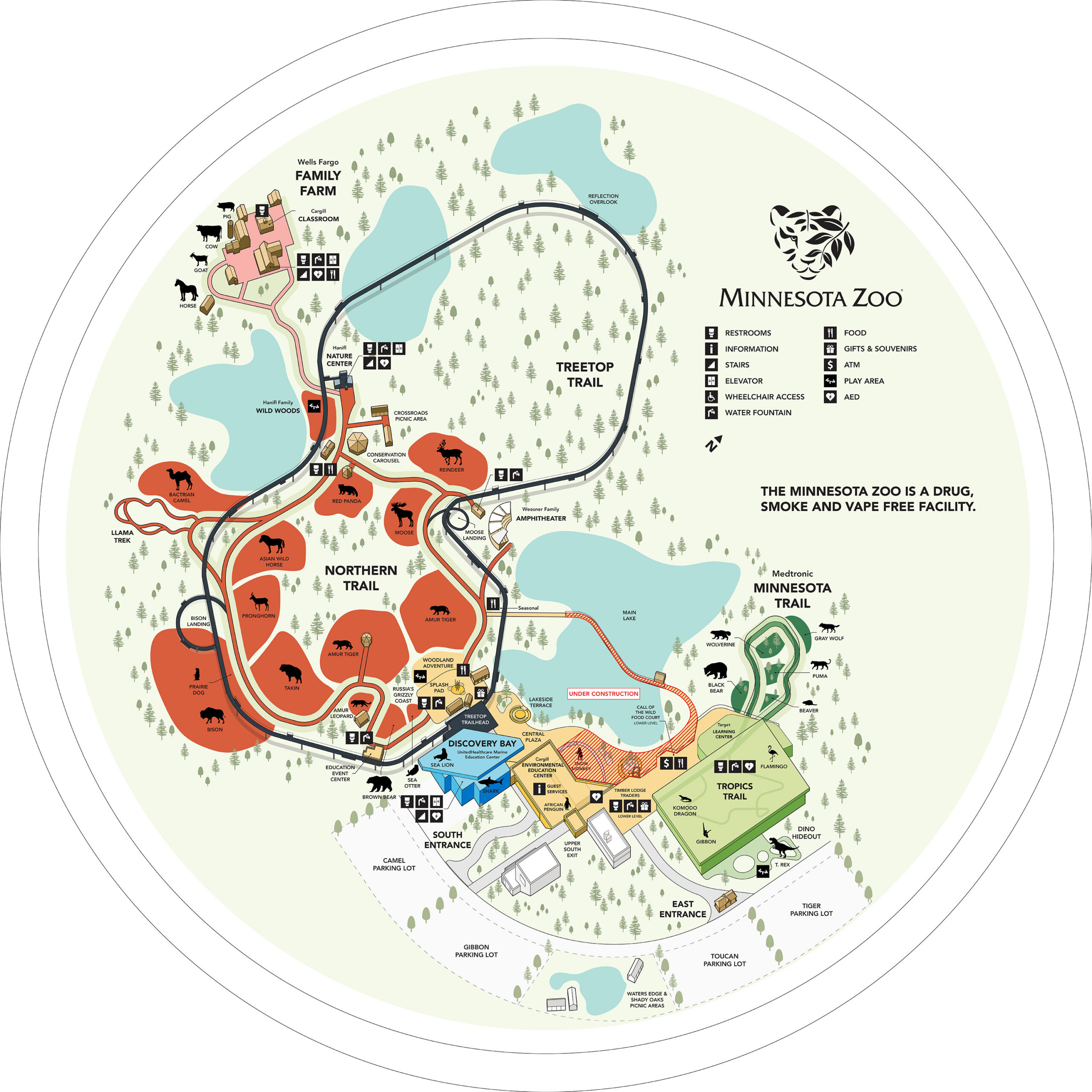
Where at the Zoo
- Sometimes California sea lions rest in the water with one or more flippers lifted into the air. The raised flippers absorb warmth from the sun or dissipate heat, helping regulate body temperature.
- Sea lions are capable of swimming 25 miles per hour! They can easily “porpoise” or leap out of the water in arcs to maintain speed and catch a breath.
- Adult male sea lions can weigh over 800 pounds.
- Sea lions have tiny external ear flaps called pinnae.
- Seals, sea lions, and walruses are all pinnipeds. In Latin, pinniped means “fin-footed.” There are over 30 species of pinnipeds and all are superbly adapted to a semi-aquatic lifestyle.
- Pinnipeds have four flippers instead of feet. A sea lion’s large front flippers are used to propel through the water. The smaller, rear flippers are used to steer.
- Sea lions have streamlined bodies that reduce drag while swimming. Additionally, they have a layer of blubber under the skin that further smooths their shape, provides insulation in cold water, acts as an energy reserve, and aids with buoyancy.
- All pinnipeds have stiff, sensitive whiskers called vibrissae. These highly developed whiskers help with finding and manipulating prey, navigating in murky waters, and sensing environmental changes such as oncoming predators or other obstacles.
- Pinnipeds have muscles around their nostrils that allow them to close tightly when they dive underwater. This behavior is often automatic, meaning they don’t control it. Closing the nostrils helps regulate pressure as they dive to different depths.