Amur Leopard
Panthera pardus orientalis
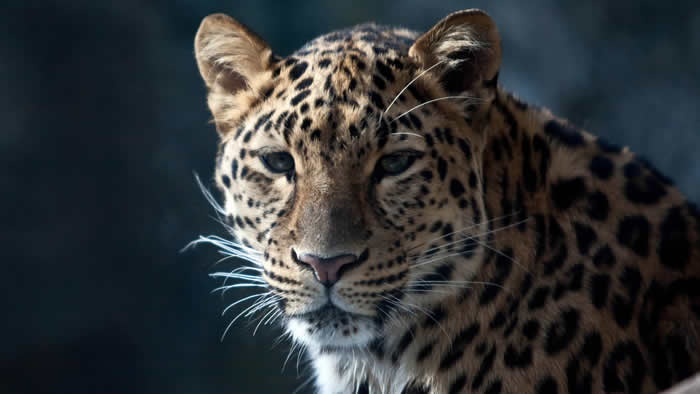
Silent, sleek, and strong, Amur leopards are deadly hunters of deep forests. They roam large areas in search of prey. Their long, thick coat and long legs help them survive the cold and deep snow of eastern Asia.
What They Eat
Amur leopards rely mostly on small deer (sika and roe) for food. They carry their kill to a high point for safe storage. One carcass can feed an adult most of a week.
Where They Live
Not long ago, Amur leopards lived over a wide area of northern China, the Koreas, and a small part of Russia’s Far East. Expanding human populations have reduced the wilderness and isolated the leopard.
What They Do
These stealthy, speedy hunters excel at climbing and jumping. They prefer to be alone rather than in the company of other Amur leopards, and keep and defend territories of up to 60 square miles—about the size of Minneapolis.
How They’re Doing
With deer populations declining and habitat being disrupted, these magnificent animals teeter on the brink of extinction. Fewer than 50 individuals live in the wild. But hope remains: recent public campaigns have saved their last refuge, and some old habitat may be restored.
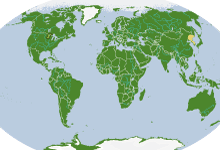
Where in the World
Asia
Habitat
Temperate Forest/Taiga
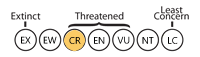
Conservation Status
Animal Facts
Weight: 75–155 pounds
Length: 7 feet, including tail
Lifespan: 10–12 years
Litter size: 2–3 cubs
Taxonomic Category
Mammal, carnivore
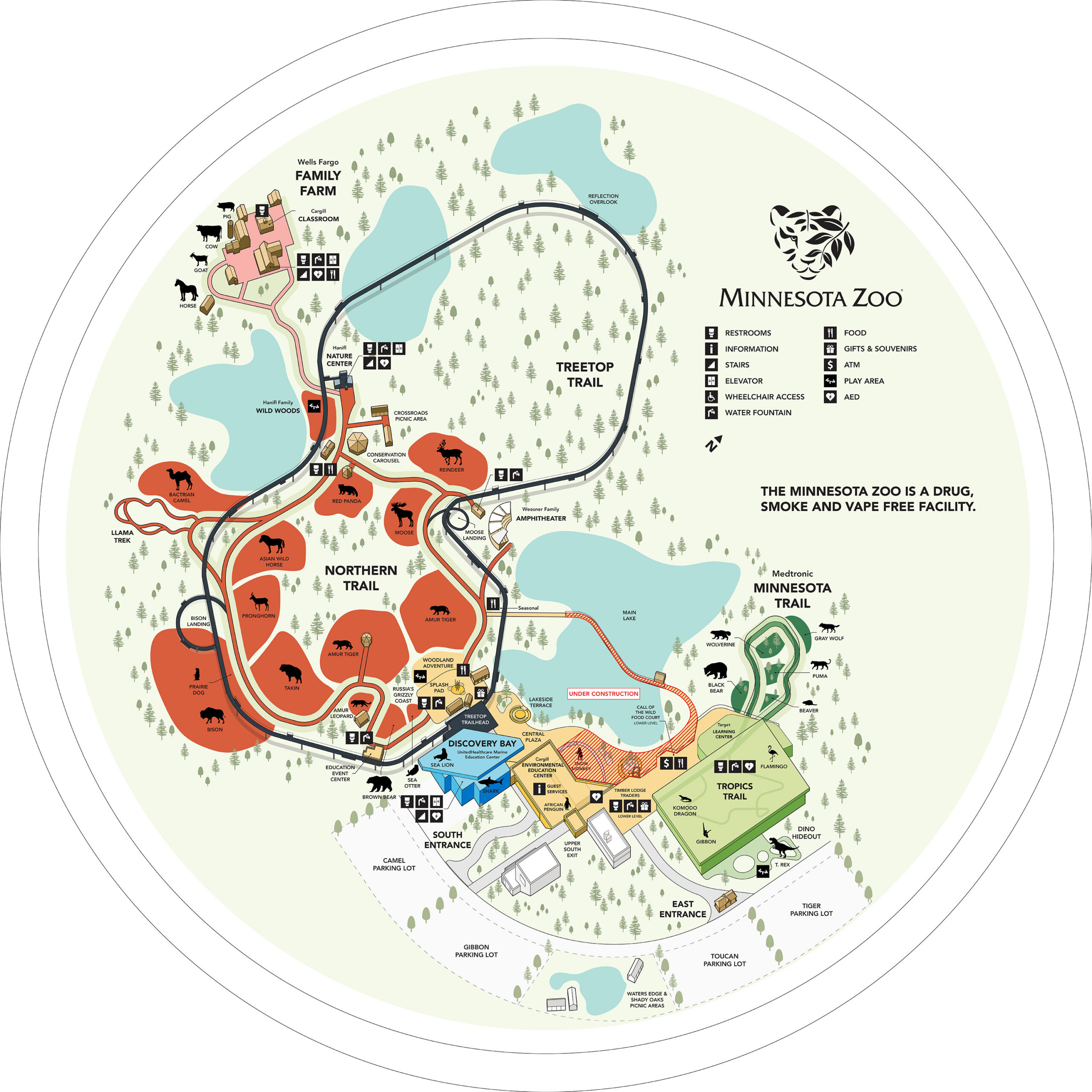
Where at the Zoo
- Experts say that pound for pound, leopards are the strongest of all cats. An Amur leopard can lift a 150-pound deer in its jaws to a branch 15 feet in the air.
- Only 50 Amur leopards exist in the wild. That’s fewer than the number of kids on a full school bus!
- Leopards’ camouflaging spots and padded paws help them sneak up on their prey.
- Amur leopards can run 37 mph and leap 20 feet.
- The Amur leopard gets its name from the 2,700-mile-long Amur River. It’s also known as the Russian or Far Eastern leopard.