Hog-Islands Boa
Boa imperator (Cayo Cochinos subpopulation)
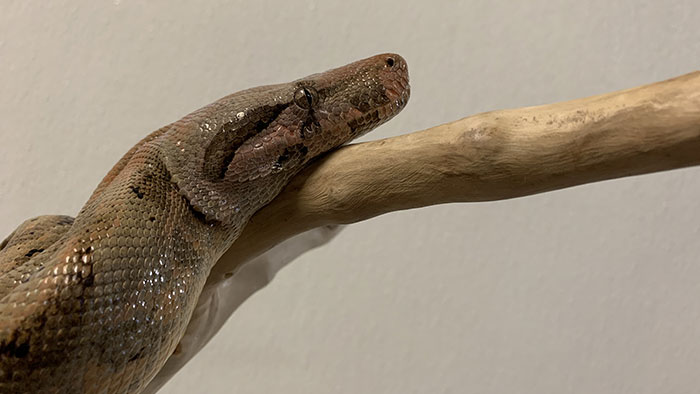
Commonly called the Hog Island boa, the Hog-Islands boa is smaller than most boas. Additionally, it has a pink coloration that sets it apart from other boa species. Unfortunately, these two factors have made this snake a target in the pet trade.
What They Eat
These nonvenomous snakes eat small mammals, birds and lizards. They kill prey by constriction.
Where They Live
They live only on the Cayos de Cochinos Islands, or Hog Cays. This is a group of about 15 small islands about ten miles off the coast of Honduras. The Hog-Islands boas are only found on the two main islands, Cayo Mayor and Cayo Menor, which together comprise a little over one square mile of land.
What They Do
There is little information about Hog Island boa behavior in the wild. They are calmer than their mainland counterparts, presumably due to the lack of predators on the Hog Islands. Unfortunately, their docile nature further adds to their attractiveness in the pet trade.
How They’re Doing
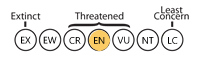
Hog Island boas are endangered and have an extremely small population. Intensive collection for the pet trade began in the 1970s and nearly eliminated the population. Thanks to the designation of the Cayos Cochinos as a marine protected area in 1993, collection of wild Hog Island boas has been greatly reduced and the population is now believed to be stable.
Where in the World
Central America
Habitat
Forest, scrubland, grasslands, inland wetlands
Conservation Status
Animal Facts
Body Length: 5–6 feet
Number of eggs: 11–21 per clutch
Lifespan: 20 years
Taxonomic Category
Reptile, snake
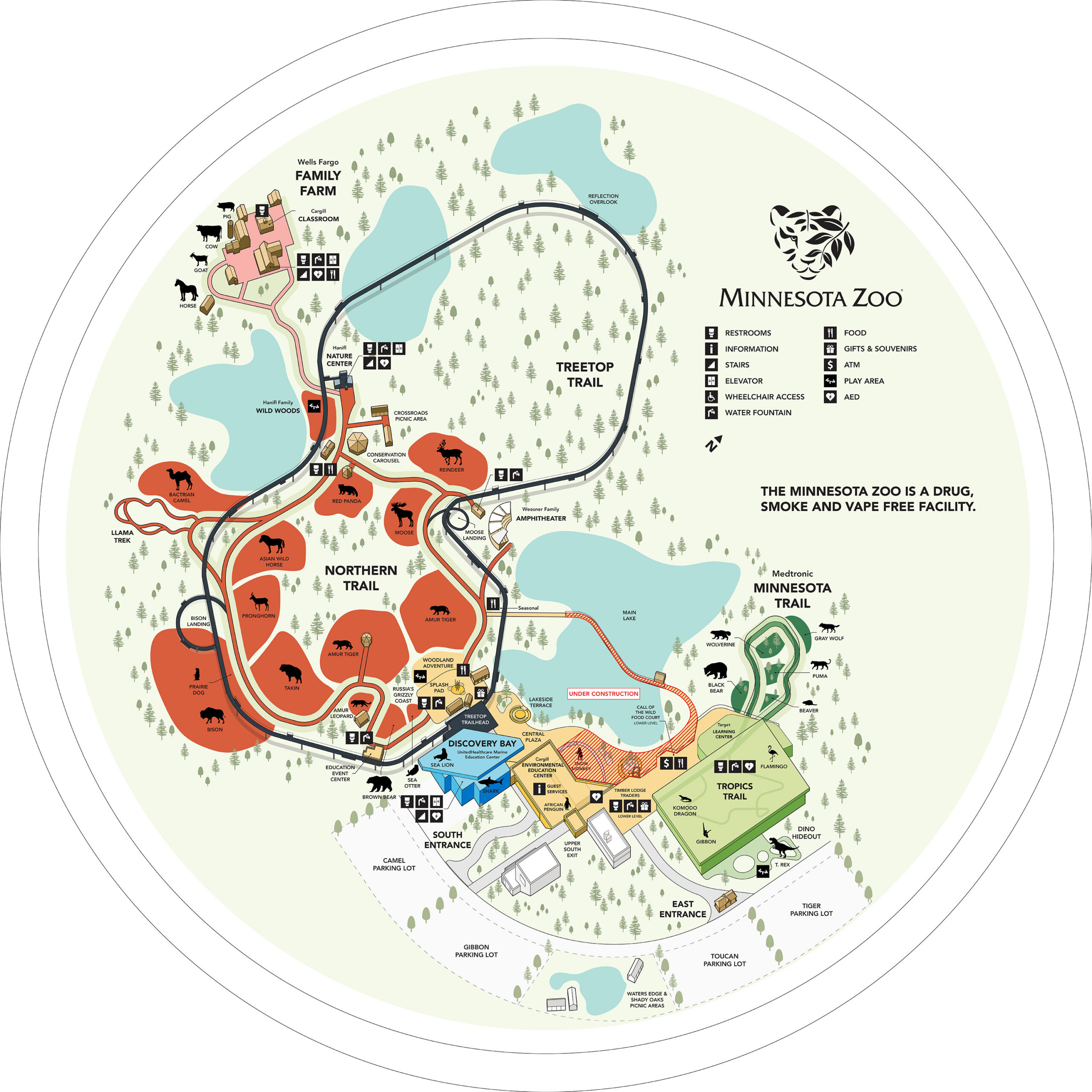
Where at the Zoo
- The scientific name of this snake has changed many times over the past few years and will continue to change as more is learned about this species.
- Many Hog Island boas found in the pet trade have been cross-bred with other boa subspecies.
- While there are roughly 15 islands in the Cayos de Cochinos, only the two larger islands have freshwater.
- In 1993, a protected marine area was created that included the Hog Islands and five surrounding miles of ocean. This created an area of roughly 285 square miles that is protected from commercial fishing, harvest and development.