Dakota Skipper
Hesperia dacotae
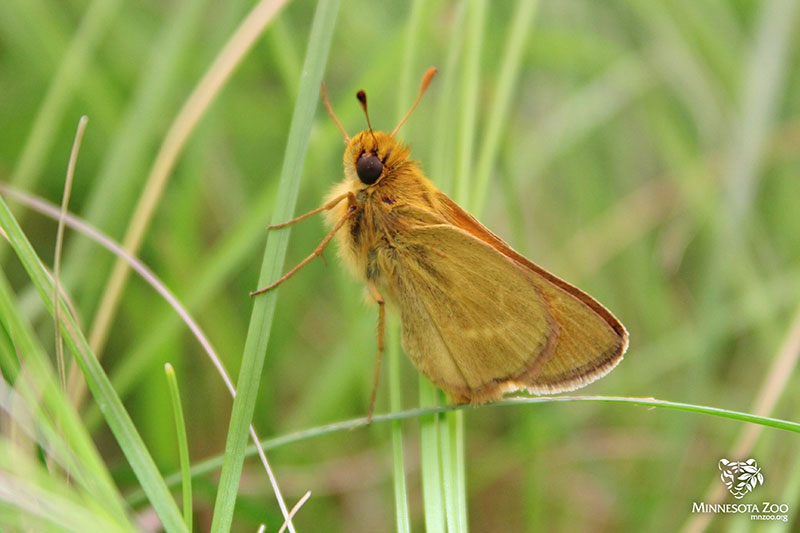
The Dakota skipper is a beautiful but vanishing butterfly of Minnesota’s prairie.
What They Eat
Dakota Skipper caterpillars only eat grasses. Adult butterflies feed on nectar from a variety of prairie flowers, especially purple coneflowers.
Where They Live
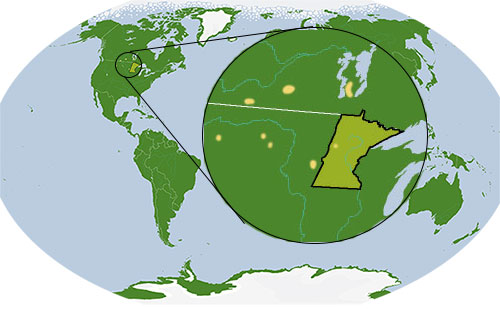
Once a prominent species found across Minnesota’s tallgrass prairie, Dakota skippers have now disappeared from more than 75% of their total former range. In Minnesota, there is only a single small site where they can be found.
What They Do
Adult butterflies begin flying mid-summer, mate and lay eggs. Caterpillars grow until late September, and then hunker down at the base of the grass near the soil for the winter. The caterpillars wake in the late spring and begin feeding and growing again. As a nectar feeder, Dakota skippers are one of many important prairie pollinators and a valuable indicator of prairie ecosystem health.
How They’re Doing
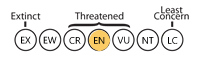
The Dakota skipper is listed as Threatened under the U.S. Endangered Species Act and Endangered by the IUCN. The Minnesota Zoo’s Prairie Butterfly Conservation Program is studying the reason for their decline and establishing the world’s only insurance breeding program for Dakota skippers in case they vanish from more of their range.
Where in the World
Central North America, Southern Manitoba and western North and South Dakota to western Minnesota
Habitat
Tall-grass prairie
Conservation Status
Animal Facts
Adult Wingspan: 1-13/8 inches
Lifespan: 1 year. 2 weeks as an adult.
Where at the Zoo
Behind the scenes