Trumpeter Swan
Cygnus buccinator
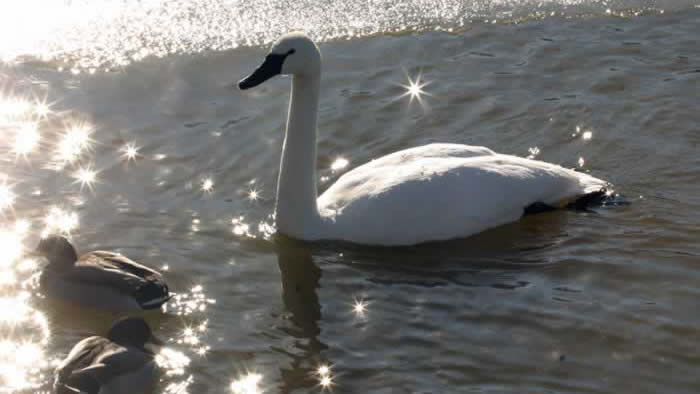
Large and elegant, these white-as-snow water birds attracted the attention of 19th century hunters, who nearly drove them extinct as they pursued them for their meat, feathers and skins. Captive breeding programs, including a major one at the Minnesota Zoo, helped bring them back from the brink of extinction.
What They Eat
Long necks make it easy for trumpeter swans to forage on vegetation below the water’s surface. Adult swans mainly eat leafy parts, stems, seeds and tubers of aquatic plants. Cygnets (baby swans) eat insects and other invertebrates.
Where They Live
Trumpeter swans thrive in shallow areas of sheltered freshwater lakes, rivers, ponds and marshes. They prefer habitat with abundant water vegetation.
What They Do
Swans typically stay with the same mate for their lifetime, returning to the same area year after year to nest. Trumpeter swan nests can be quite large – up to 18 inches high and 6-12 feet across. It may take a pair of swans up to two weeks to construct their nest mound near shore. The female sits on the eggs, while the male patrols the surroundings. Once the cygnets hatch, the male will help care for them and the family unit will remain together for about a year.
How They’re Doing
Trumpeter swans have experienced a heartwarming comeback since being eliminated from Minnesota in the 1800s. Thanks to captive breeding programs and habitat protection efforts, the trumpeter swan population is now estimated to contain over 17,000 birds in Minnesota, and more than 63,000 across North America.
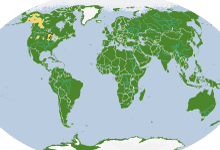
Where in the World
North America
Habitat
River, Lake, Wetland
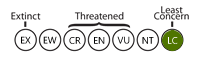
Conservation Status
Animal Facts
Body Length: 59–71 inches
Weight: 15–30 pounds
Wingspan: 7–8.5 feet
Number of eggs: 4–5 per clutch
Lifespan: up to 30 years
Taxonomic Category
Bird
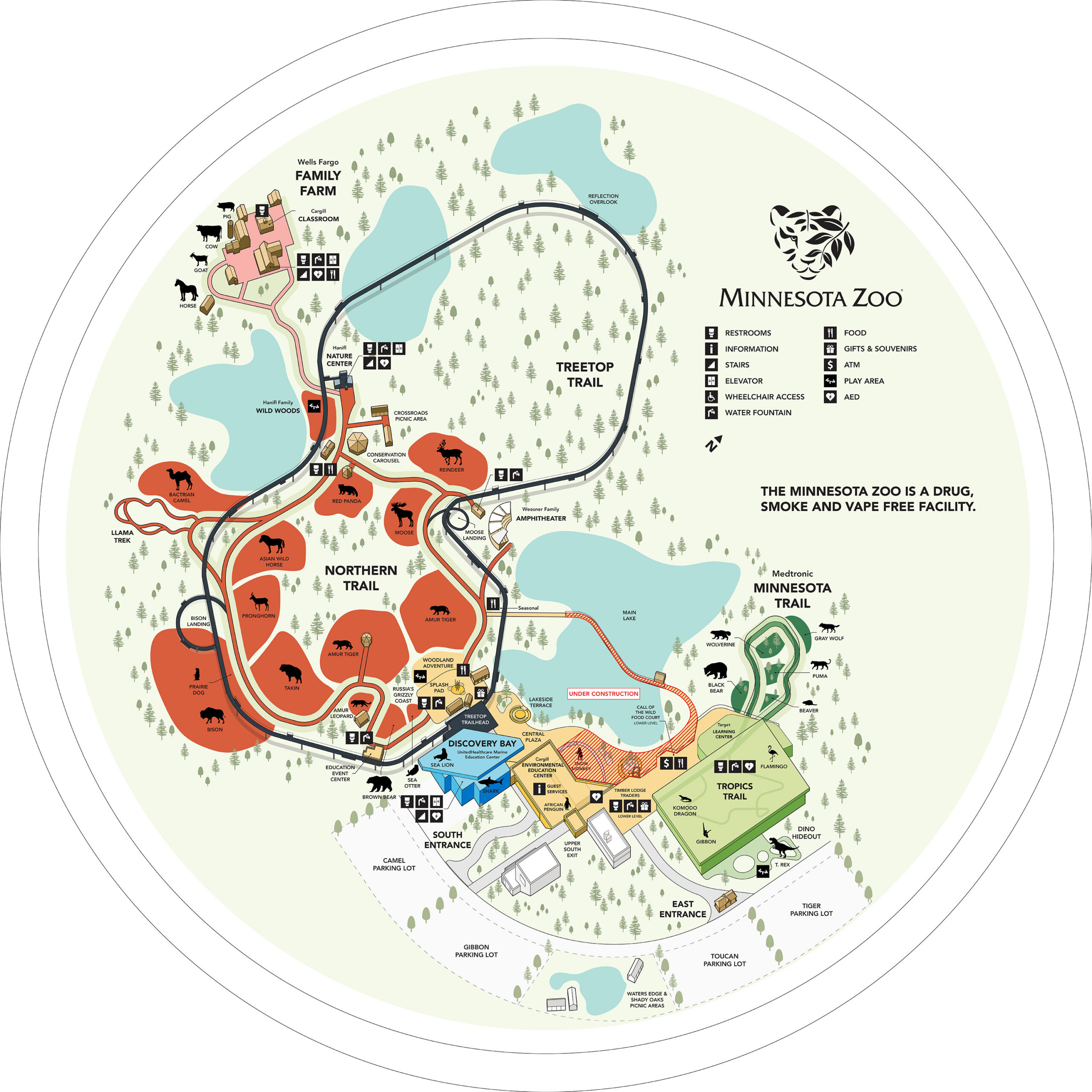
Where at the Zoo
- The trumpeter swan gets its name from its boisterous honk, which sounds like a trumpet or French horn.
- A trumpeter swan’s neck is as long as its body. It allows the bird to reach plants far beneath the surface of the water and aids in producing the swan’s signature call.
- Trumpeter swans are the largest species of swan and are among the world’s largest birds.
- Male swans are called cobs and females are called pens. The young are called cygnets.
- Cygnets and juvenile trumpeter swans have light gray feathers. They attain their white adult plumage during their second winter.
- A trumpeter swan’s nest mound may be up to 12 feet in diameter – the size of the center circle on a basketball court!
- Trumpeter swans have been known to live more than 30 years.
- Trumpeter swans are sensitive to lead poisoning from hunting ammunition that they find when foraging.