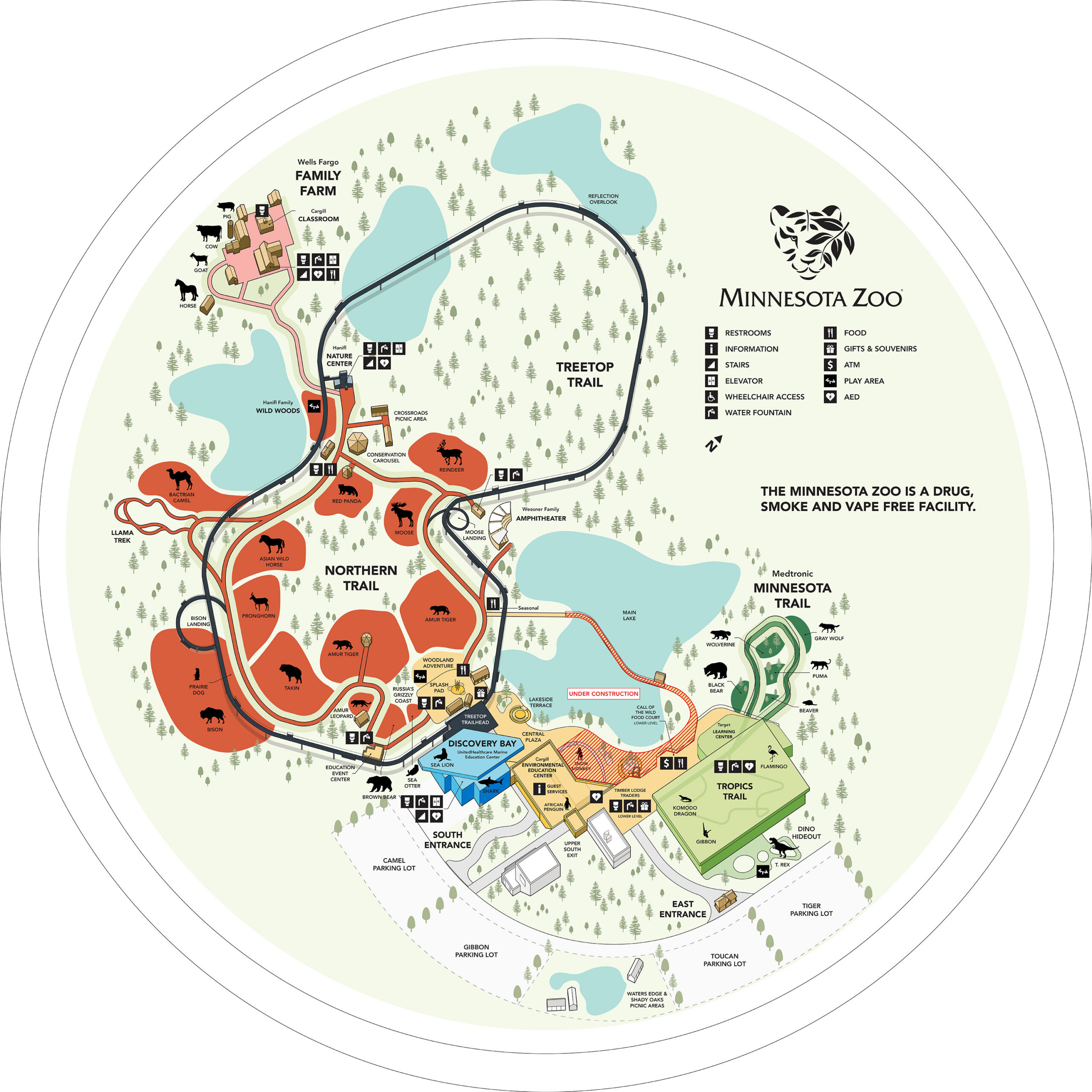
Golden Lion Tamarin
Leontopithecus rosalia
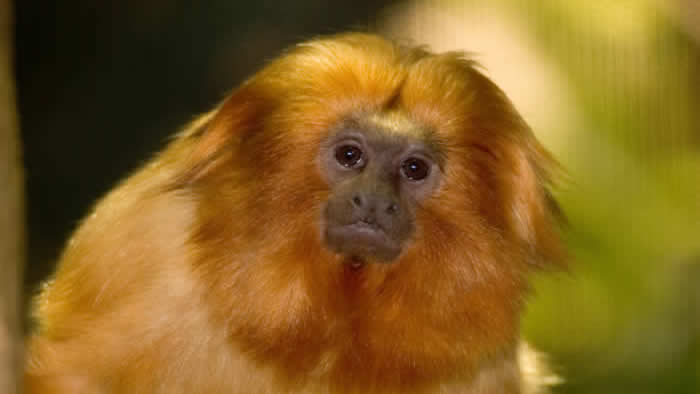
The habitat of the golden lion tamarin includes some of the most endangered vegetation in the world.
What They Eat
These animals are omnivorous; feeding on fruits, insects, small lizards, snails, and even bird’s eggs. They use their long fingers to probe under bark and in crevices for insects.
Where They Live
The golden lion tamarin is found in Atlantic coastal rainforests, particularly in Brazil.
What They Do
The basic group has 2-12 individuals—usually a mated pair plus their young of one or more years. The group members could be related but transfer of animals between groups has been seen and may be quite common.
How They’re Doing
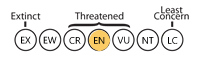
Golden lion tamarins are endangered, primarily due to habitat loss and fragmentation. More than 30 years of conservation work has helped bring them back from the edge of possible extinction, but still only 6% of their original habitat remains.
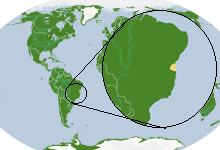
Where in the World
South America
Habitat
Coastal Rainforest
Conservation Status
Animal Facts
Head & body: 8-13 in.
Tail: 12-15 in.
Average weight: 1.29-1.37 lbs.
Lifespan: 8 years wild, 20 years (captivity)
Taxonomic Category
Mammal, primate
Where at the Zoo
- Golden lion tamarins are one of the few species to be successfully reintroduced to the wild in their native Brazil.
- The hairy adornments on the head of a golden lion tamarin can be used to communicate their mood.
- Seventeen different types of vocalizations have been identified among golden lion tamarins, including clucks for foraging, long calls for vigilance, and whines for contact.
- Golden lion tamarins are active and agile, able to bound rapidly from tree to tree.
- The father and older siblings assist in rearing the infants by carrying them on their backs. They transfer the infants to the mother to nurse, and then accept them back after feeding.
- Nearly all golden lion tamarins are owned by the Brazilian government, including the ones exhibited at the Minnesota Zoo.