Sea Otter
Enhydra lutris
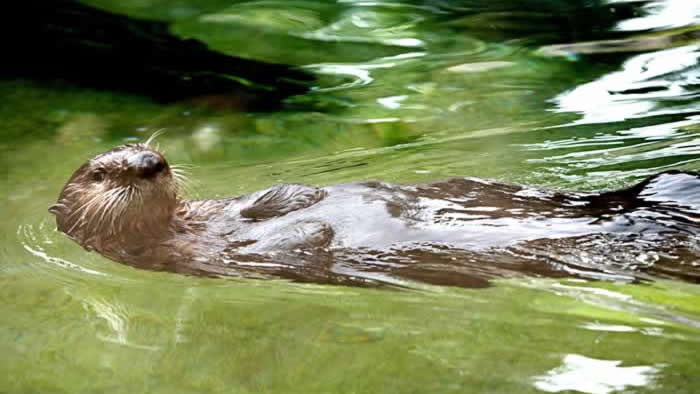
Playful sea otters thrive in the frigid waters of the Pacific Ocean among some of the world’s richest fisheries. Their habitat includes kelp forests, beds of salt-water algae that provide rich habitat for other living things. Sea otters survive the cold and wet with dense fur and active lives fueled by large amounts of seafood. They are critical links that help to keep the ecosystem in balance.
What They Eat
Sea otters eat 25 to 30 percent of their body weight each day in seafood, including sea urchins, fish, clams, snails, worms, sea stars, crabs, squid, octopus, and abalone.
Where They Live
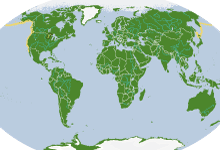
These marine mammals thrive in cold coastal waters and kelp forests from Russia’s Pacific Coast to Alaska and down to California. Sea otters may venture onto land but function best at sea.
What They Do
Sea otters move almost constantly and eat a lot. Watch for them to dive for food, use tools to open shells, clean their fur, and play.
How They’re Doing
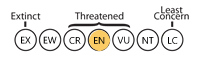
Down to fewer than 2,000 by 1911 due to overhunting, sea otters are recovering in some—but not all—areas. Along Russia’s Pacific coast, populations are threatened by uncontrolled development. California and parts of Alaska have seen declines in recent years for reasons that are unclear. Orcas may have an influence on the decrease in the Alaskan population as the whale’s prey items decline.
Where in the World
Asia
North America
Habitat
Ocean
Conservation Status
Animal Facts
Weight: females 40–60 pounds, males 70–90 pounds
Length: 4½ feet
Taxonomic Category
Mammal, carnivore
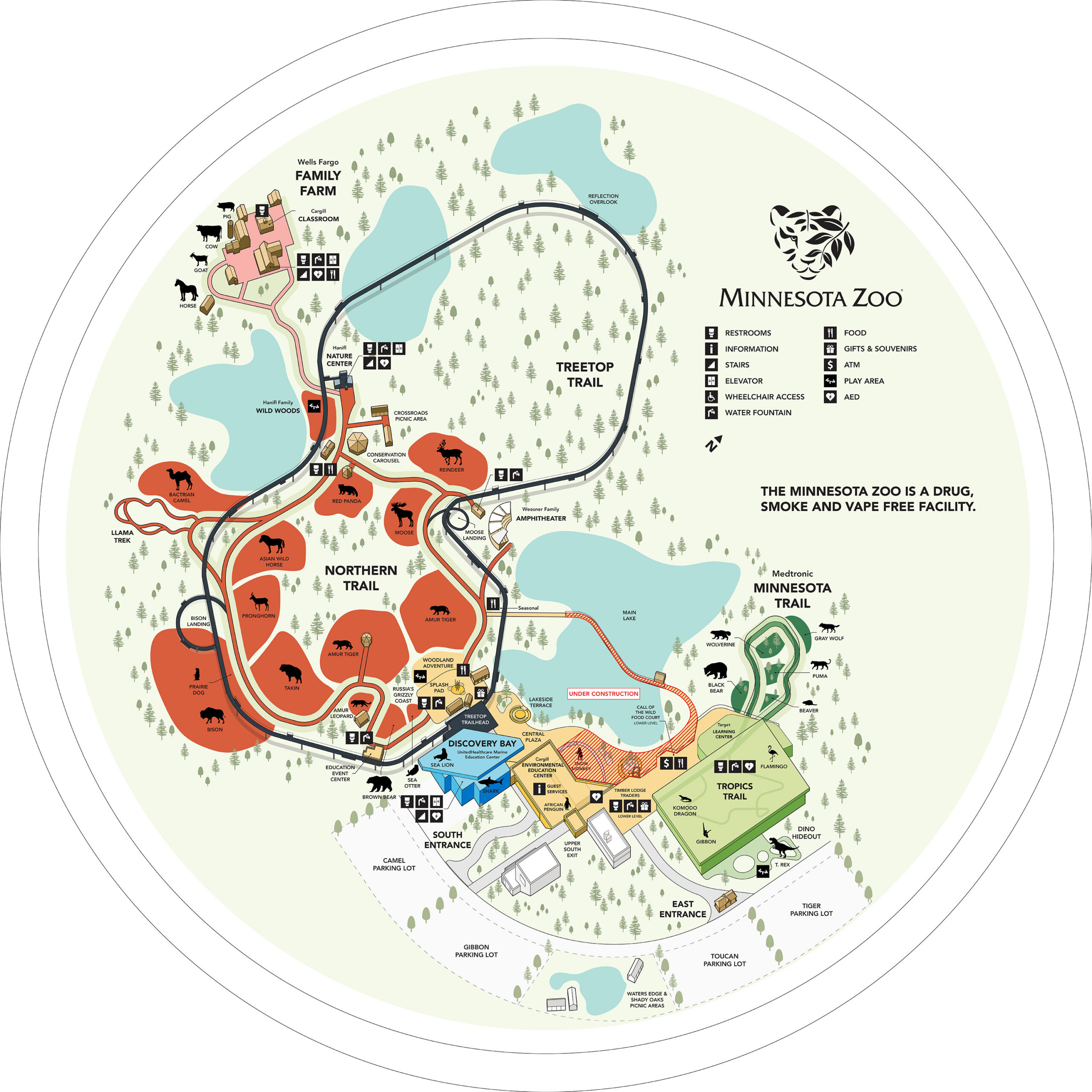
Where at the Zoo
- Sea otters have a fold of skin under each arm they use to store food while foraging.
- Sea otters have the thickest fur of any animal. They have 10 times as many hairs in one square inch as you have on your entire head! Their fur helps them stay warm in chilly water.
- Sea otters are the only marine mammal that lack blubber for insulation.
- Sea otters can stay under water for up to five minutes.
- Sea otters are tool users. They set rocks on their chests and smash shellfish against them so they can get at the meal inside.
- The sea otter’s fur is the thickest fur of any mammal, with 850,000–1,000,000 hairs per square inch.
Things the Zoo's done/doing
The Minnesota Zoo has helped researchers study why some sea otter populations are falling. Understanding the cause is the first step to a solution.