De Brazza’s Monkey
Cercopithecus neglectus
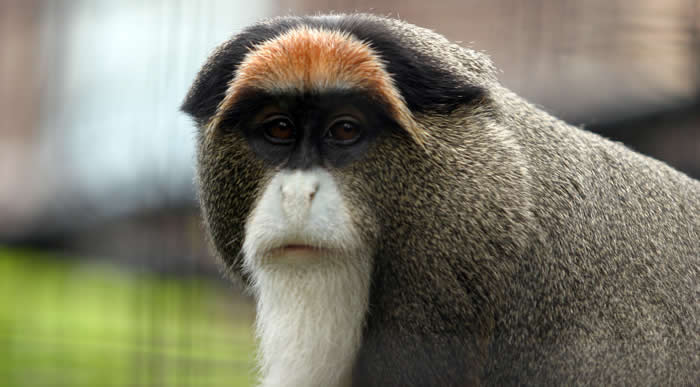
De Brazza’s monkeys spend their days foraging for fruit and socializing with others in their family group. Their digestive tracts, which are a lot like ours, make it hard for them to find nourishment in tough forest materials such as leaves and bark.
What They Eat
De Brazza’s monkeys eat ripe fruit and seeds from trees, and occasionally other plant parts and small animals.
Where They Live
De Brazza’s monkeys live in small groups in forests through Africa. They forage in the forest understory and floor, using long limbs and tails to move from tree to tree.
What They Do
De Brazza’s monkeys are sociable among themselves but hostile towards other primates. The one exception is colobus monkeys, with which they coexist peacefully, perhaps because they don’t typically compete for food. When threatened, they successfully hide by curling into a ball with their white parts hidden.
How They’re Doing
In some localized areas De Brazza’s monkeys are disappearing as people destroy forest to make wood or farmland. On a broader scale, because they are so well camouflaged we don’t know whether populations are declining, stable, or on the increase.
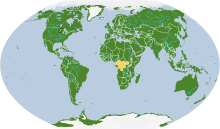
Where in the World
Africa
Habitat
Tropical Forest
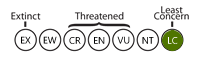
Conservation Status
Animal Facts
Body length: 16-25 inches
Tail Length: 3½ -5 feet
Weight: 9-17 pounds
Lifespan: Up to 30 years in human care
Taxonomic Category
Mammal, primate
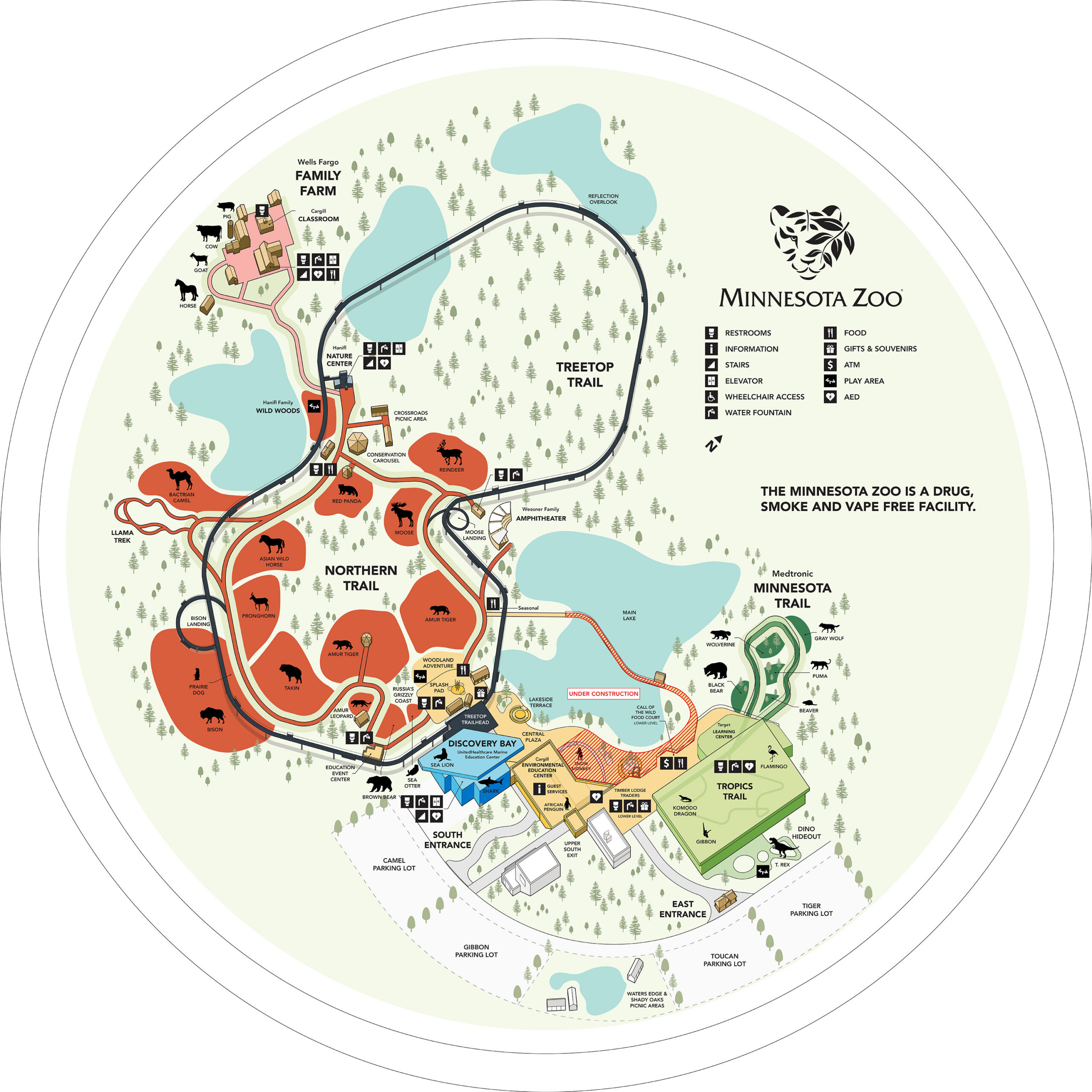
Where at the Zoo
- De Brazza’s monkeys chase off other monkeys that enter their territory—except for colobus monkeys. The two species’ digestive tracts are different, so they eat different foods and can coexist peacefully.
- De Brazza’s monkeys can swim.
- De Brazza’s monkeys store food in cheek pouches while they forage, then eat it later when they are in a safe place.
- De Brazza’s monkeys are named for Pierre Savorgnan de Brazza, a famous Frenchman who explored Africa in the late 1800s.
- When threatened, De Brazza’s monkeys curl up into a ball with only their camouflaged backs exposed. They stay very still until the danger has passed—up to 8 hours!