Black and White Colobus Monkey
Colobus guereza
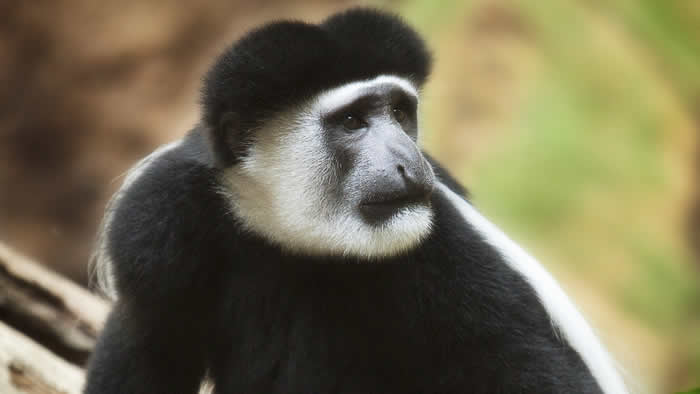
Colobus monkeys spend almost their entire lives up in the branches, rarely touching the ground. Unlike other primates, colobus monkeys’ cow-like stomachs allow them to subsist on a leafy diet. They don’t even need to come down for water, finding enough in the treetops to survive.
What They Eat
Tender, high-protein leaves from forest trees are black and white colobus monkeys’ favorite food. They also eat unripe fruit, seeds, flowers, and bark.
Where They Live
Black and white colobus make their home high in the trees of a variety of tropical African forests.
What They Do
Black and white colobus monkeys spend their days eating, relaxing, and socializing with each other, generally without squabbling. Males defend their group and its territory from others with roars, tongue-clicks, chases, and an unusual stiff-legged display.
How They’re Doing
Because individual family groups need only a small patch of forest, black and white colobus can coexist near people when clusters of trees remain intact. In some areas of tropical Africa, these small forest fragments are disappearing rapidly, however.
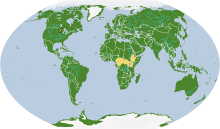
Where in the World
Africa
Habitat
Tropical Forest
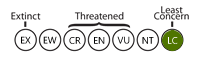
Conservation Status
Animal Facts
Body length: 22-24 inches
Weight: 17-30 pounds
Lifespan: 30 years or more in human care
Taxonomic Category
Mammal, primate
Where at the Zoo
- The word ‘colobus’ derives from the Greek word for ‘mutilated.’ They were given this name by European biologists because they lack functional thumbs.
- The male head of a colobus group announces its presence and location each morning with a series of loud, long roars.
- The practice of eating leaves is called folivory.
- Black and white colobus monkeys are occasionally hunted for their striking fur, which has been used for everything from costumes and coat trim to rugs.
- Colobus monkeys have multi-chambered stomachs that allow them to digest leaves and unripe fruit other monkeys can’t.