American Bison
Bison bison
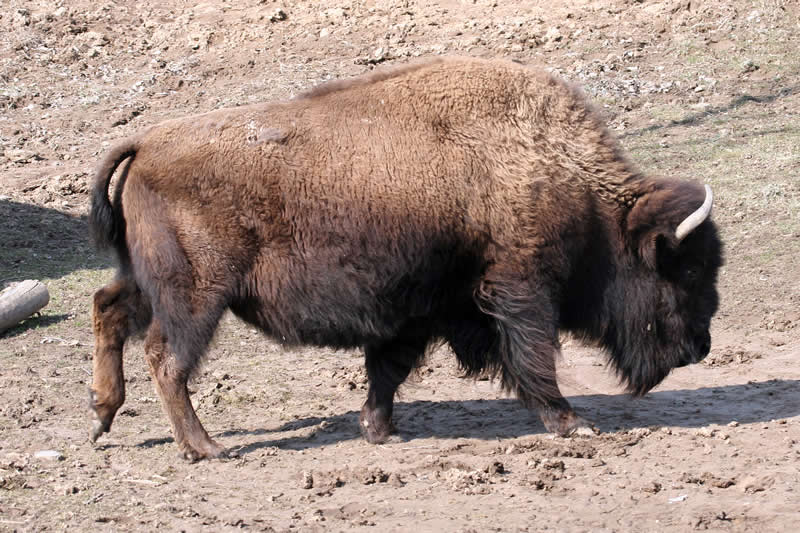
Massive and thick-coated, bison were once the icons of North America’s Great Plains. They are the largest land animals on the continent. They were also once the most abundant, with an estimated 30 to 60 million before European settlement.
What They Eat
Bison eat mainly grasses and sedges—roughly 15 pounds per animal per day.
Where They Live
Bison roam wide-open prairies. The animals also inhabited savannas and forests in their heyday. The bison and the prairie benefit from each other, with the plants providing food for bison, and the bison’s grazing, trampling, and defecating helping keep the prairie ecosystem healthy.
What They Do
Bison spend their mornings eating and their afternoons chewing cud. Their thick fur helps these animals survive the bone-chilling cold of prairie winters.
How They’re Doing
Bison were hunted to near oblivion in the 1800s, with the population of plains bison down to less than 600 before protective measures were put into place. Today, with 30,000 animals in conservation herds and thousands more on farms, the bison is considered a conservation success story.
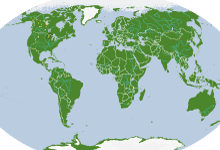
Where in the World
North America
Habitat
Prairie/Steppe
Savanna
Scrubland
Temperate Forest/Taiga
Conservation Status
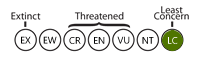
Animal Facts
Height: 5–6 feet at the shoulder
Length: 7–12 feet
Weight: 2,000 pounds
Taxonomic Category
Mammal, hoofed
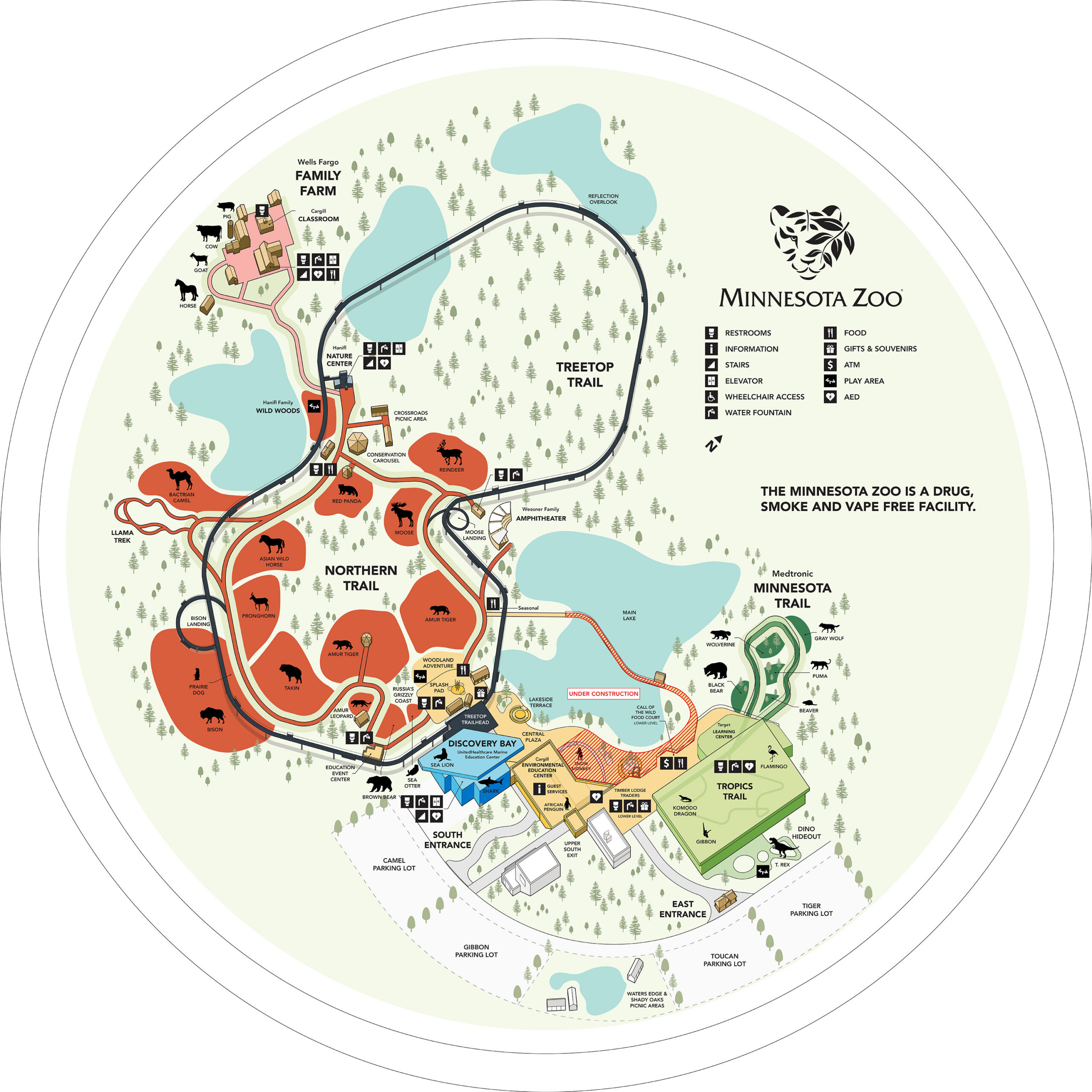
Where at the Zoo
- Bison grunt periodically to communicate and keep contact with the rest of the herd. They bellow aggressively when challenging another animal.
- In winter bison clear snow from their grazing area by sweeping their massive heads from side to side.
- Wolves and grizzly bears are natural predators of bison.
- Today bison are raised in herds to provide low-cholesterol meat.